

Imagine you're a buyer from a major European brand, stepping off a plane in Dhaka for the first time. You've heard the pitch: world-class textile capability, competitive pricing, a workforce that can turn a sample into a shipped container faster than almost anywhere else in the RMG (ready-made garment) industry. You're here to start something new. And for the factories you're about to meet, that's exactly what you are, something new, something worth investing in.
The Honeymoon Phase: A Golden Opportunity
In the beginning, it really is a good relationship for both sides. You, the new buyer, care about one thing above all: getting a well-made product, delivered on time, from people you can trust. You haven't yet learned the language of the industry, the cost breakdowns, the SMV (Standard Minute Value, essentially how many minutes of labor go into one garment), or what a button actually costs a factory to source. And honestly, you don't need to. You're focused on the relationship, not the spreadsheet.
For a Bangladeshi RMG factory, this is a genuinely good period. Because the relationship is new and built on trust rather than negotiation, factories can often work at healthier margins than they would with a buyer who already knows every line item. This isn't about anyone being taken advantage of. It's simply what happens when two sides are focused on building something together instead of picking a costing sheet apart line by line. There's room to breathe, room to get things right, room for both sides to grow into the partnership.
The Inevitable Shift: The Honeymoon Ends
But like most honeymoons, this phase has a natural shelf life. As your orders grow and your business in Bangladesh matures, your priorities change too. You're no longer placing a handful of trial orders, you're managing real volume, real risk, and real accountability back to your own head office. So you do what most growing buyers eventually do: you bring in a third party to help you manage it.
That third party might be a sourcing agent, a buying house, or a large trading company. The difference matters more than it sounds: a sourcing agent typically focuses on finding factories and negotiating terms, while a buying house usually offers broader merchandising, quality, and shipment support under one roof. Either way, their job on paper is simple: help you manage the supply chain more efficiently, often using the kind of structured reporting and cost tracking covered in a manufacturing analytics stack. But the moment they step in, the dynamics of the relationship shift, quietly and permanently.
The Squeeze Begins: When Partnership Becomes a Price Conversation
A third party brings its own costs and its own margin to protect, which means there are now more mouths at the table than there used to be. And to justify their role, they usually bring something else too: detailed knowledge of exactly how a garment is costed.
Suddenly, the conversations change. Instead of a shared goal, you're now asking for a breakdown: the fabric cost, the CPM (cost per minute, essentially what it costs the factory to run one minute of production), the line's efficiency rate, trims, wastage, everything. None of this is unreasonable to ask for on its own. Buyers have every right to understand what they're paying for. But once this knowledge enters the room, the nature of the garment costing negotiation changes with it.
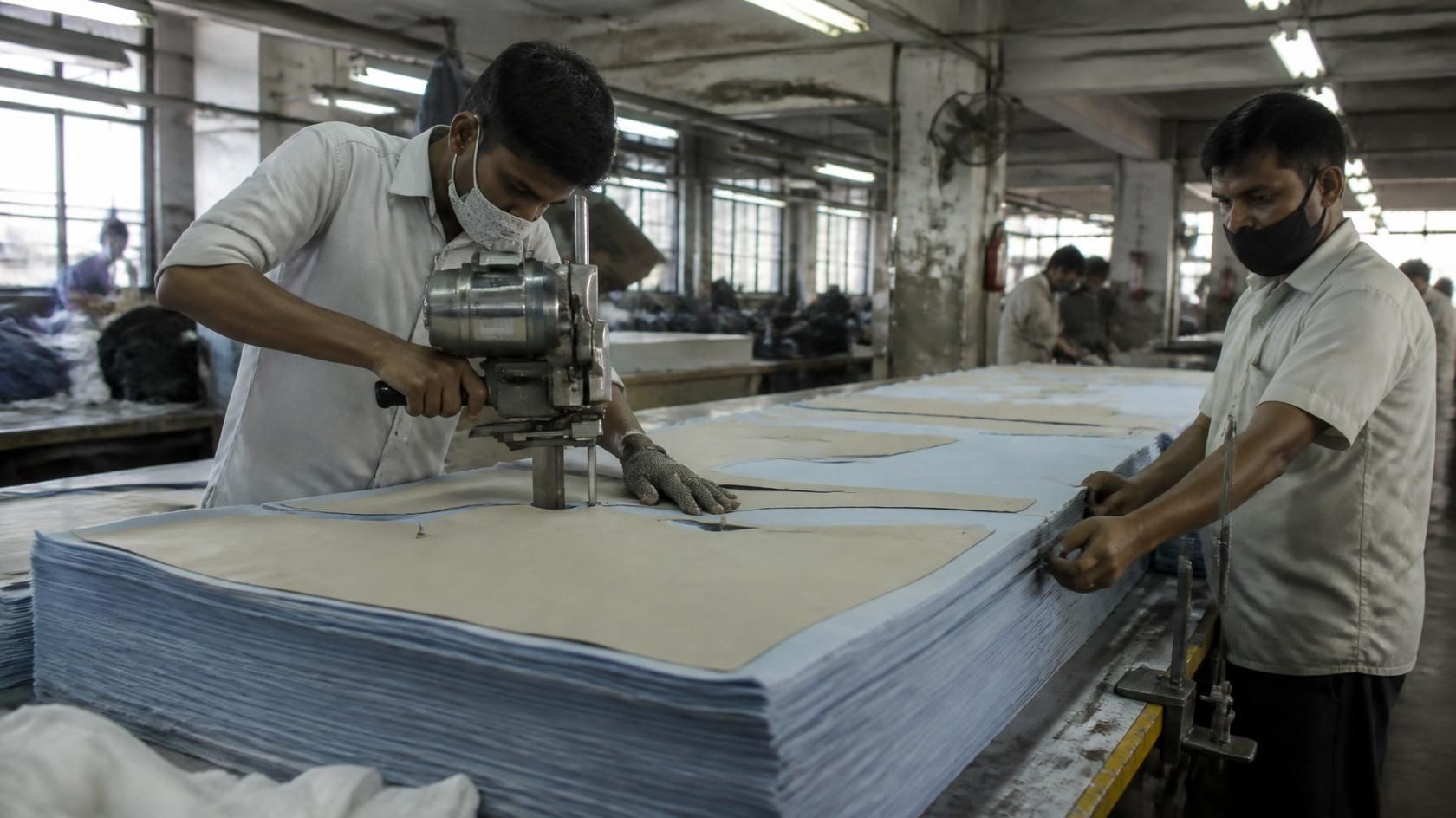
What used to be a conversation about quality and trust slowly becomes a conversation about the lowest defensible number. The factory's margin, once comfortable enough to reinvest and grow, starts to shrink. It's not that anyone set out to squeeze the other side. It's just what naturally happens once every cost, down to the marker efficiency and cutting wastage behind it, is visible and every cent becomes something to discuss.
The Brutal Reality: A Market Chasing Cents
Zoom out, and this pattern repeats across hundreds of buyer-factory relationships at once. The result is a market where factories are sometimes separated by a difference of just a few cents per piece, and that tiny gap is enough to move an entire order, sometimes even an entire product category, from one factory to another.
Part of why this happens so easily is structural: in Bangladesh, CPM isn't standardized across the industry. Two factories running similar lines, similar efficiency, similar quality, can quote very different numbers, simply because there's no shared, transparent baseline everyone is working from. That gap creates room for buyers and their sourcing partners to shop the same order around, and it creates a market that can feel unpredictable for the factories trying to plan around it.
Which leaves us with a few honest questions. Not to lecture anyone, just to actually sit with, one at a time.
1. Who's really winning these orders?
Not who's getting the most orders this season. Who's still standing, and still profitable, five seasons from now.
2. Why doesn't winning an order turn into keeping a buyer?
If price is the only thing deciding who wins, what happens the moment someone else offers two cents less?
3. What do the survivors know that the rest of the market doesn't?
Someone is thriving inside this exact same pressure. That's not luck. That's a capability, and it's worth naming.
4. And the one nobody likes to ask out loud: where's the government in all this?
If CPM isn't standardized anywhere else in the world's major sourcing hubs either, is that really the root problem, or is it just the symptom we can see?
Four questions. One industry that all of us depend on. Let's actually go find the answers.
In Part 2, we'll look at the factories that are winning this game anyway, what they're doing differently, and the real role sourcing agents and buying houses play behind the scenes. You won't want to miss it.


Discussion0
Loading the discussion…