

ABC-XYZ Inventory Segmentation for Trims and Fabric
One Safety Stock Rule Doesn't Fit a Trims Store A trims store holds thousands of SKUs: zippers, buttons, labels, elastic, drawcords, each with a different value and a different…
Smarter Operations for Apparel
Optimisation, queuing, scheduling and decision models applied to real production and supply networks.
6 published articles across 5 sub-categories
One Safety Stock Rule Doesn't Fit a Trims Store A trims store holds thousands of SKUs: zippers, buttons, labels, elastic, drawcords, each with a different value and a different…
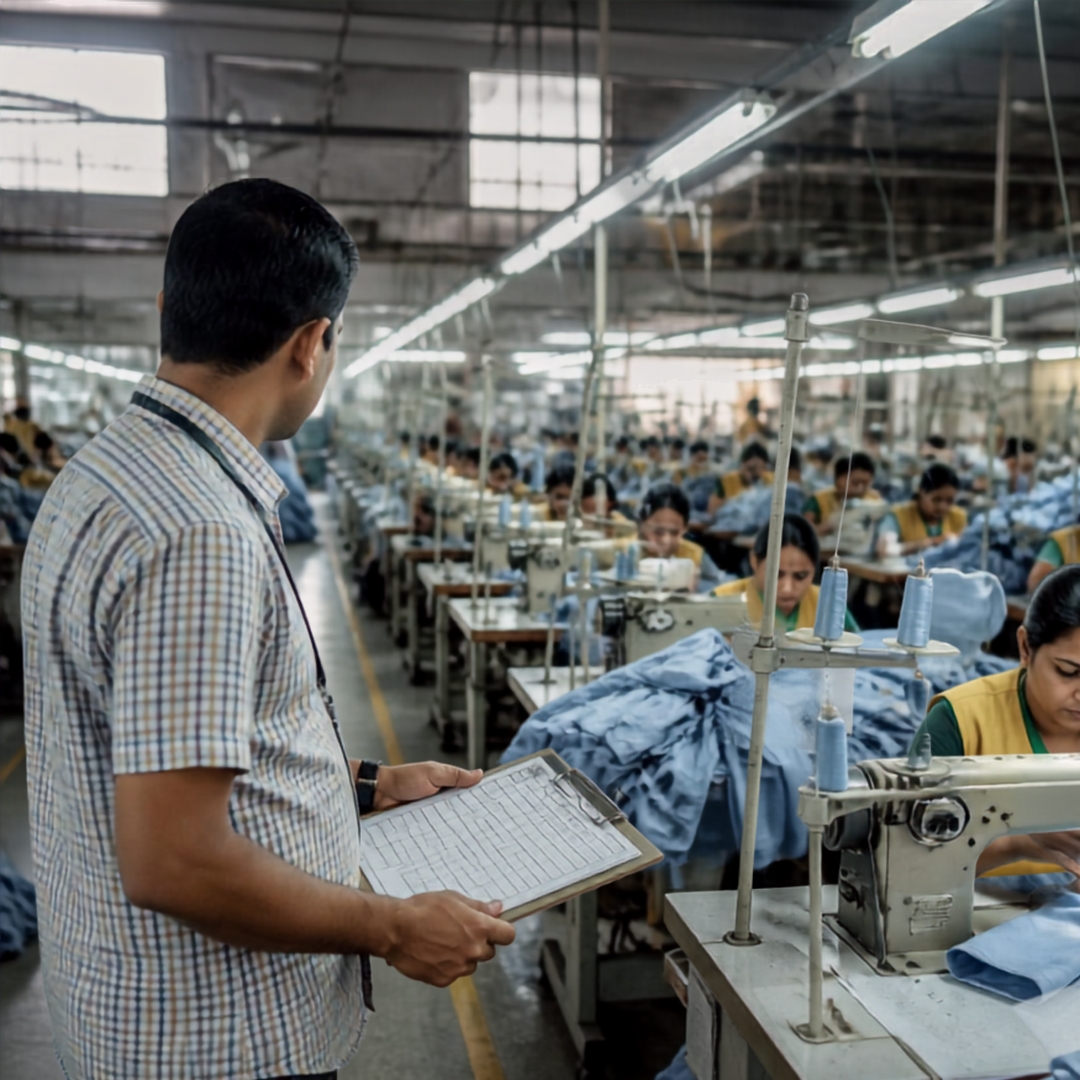
Most line balancing is done by eye and a stopwatch. Here is the mixed-integer formulation that does it properly, with the constraints that keep the answer feasible on a real floor.

A planner will be able to assign the right replenishment policy continuous or periodic to each trims SKU, size safety stock correctly using real lead time variability, and stop applying EOQ to fabric where it doesn't belong.
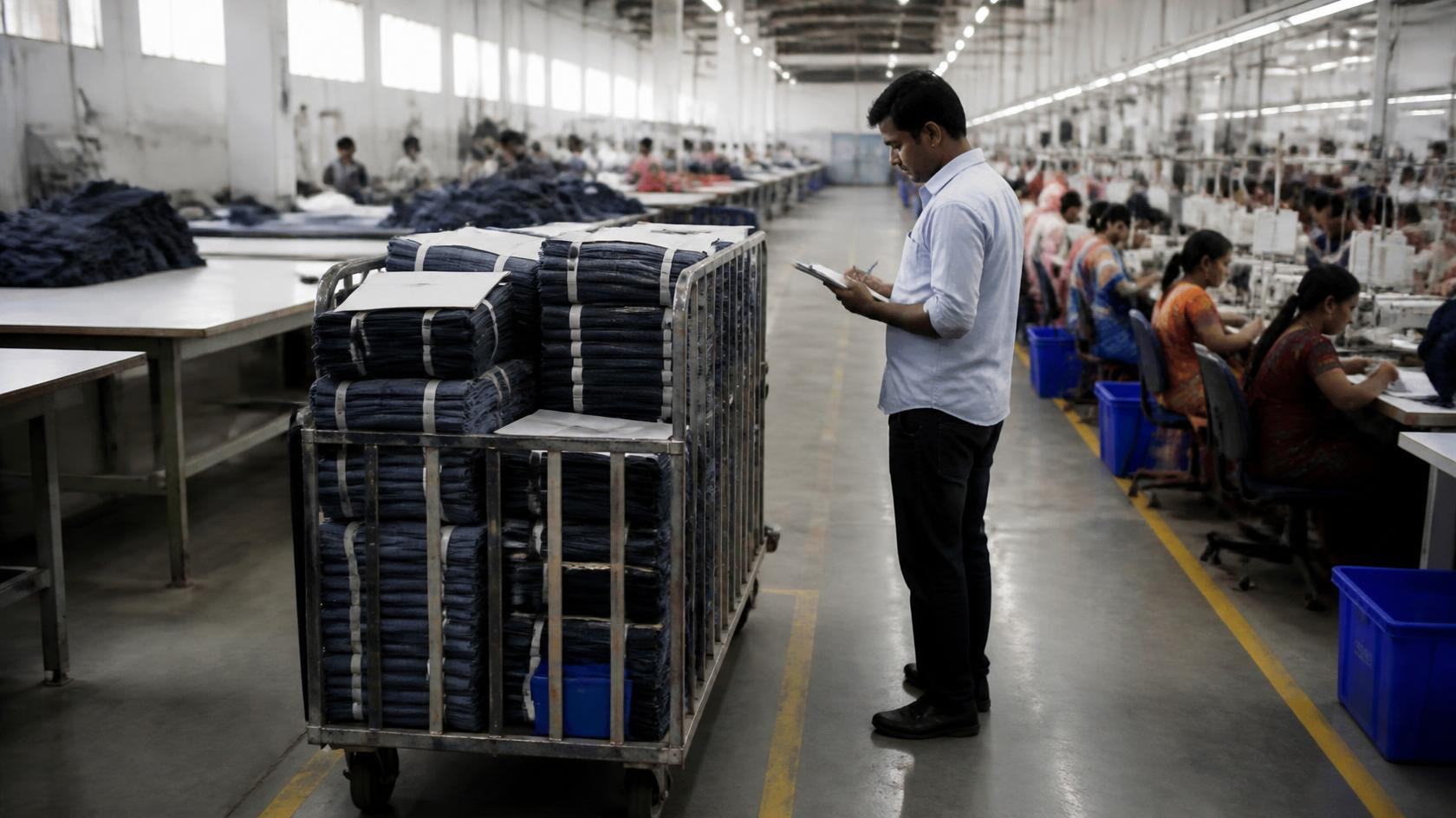
Sizing WIP buffers between production stages from measured arrival and wait-time data using Little's Law, and defend a lower utilisation target instead of guessing rack sizes.
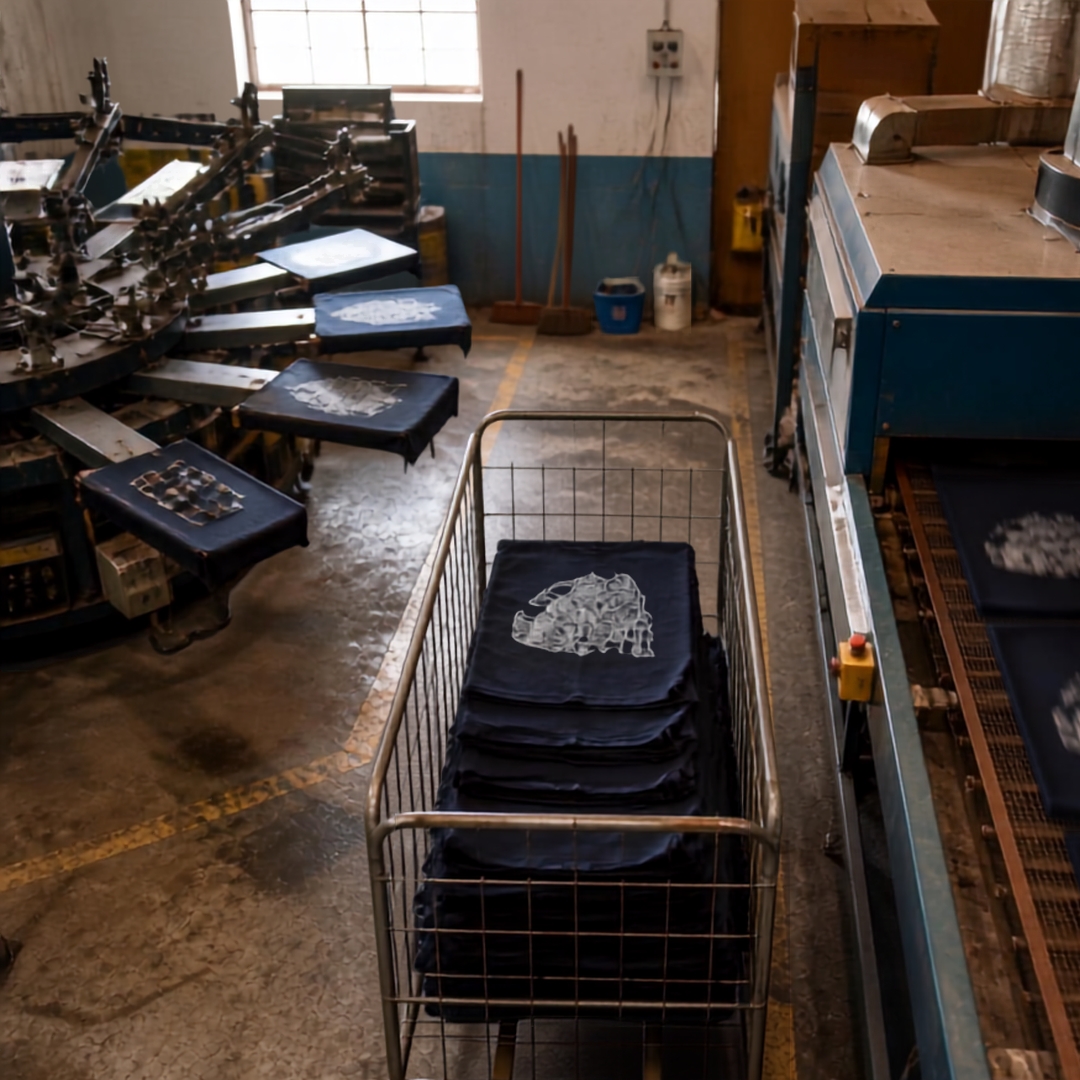
You'll be able to compute the makespan-optimal run order for any two-stage flow shop (print-and-cure, fuse-and-press) by hand, and recognize the four common floor situations where Johnson's rule no longer gives the right answer.
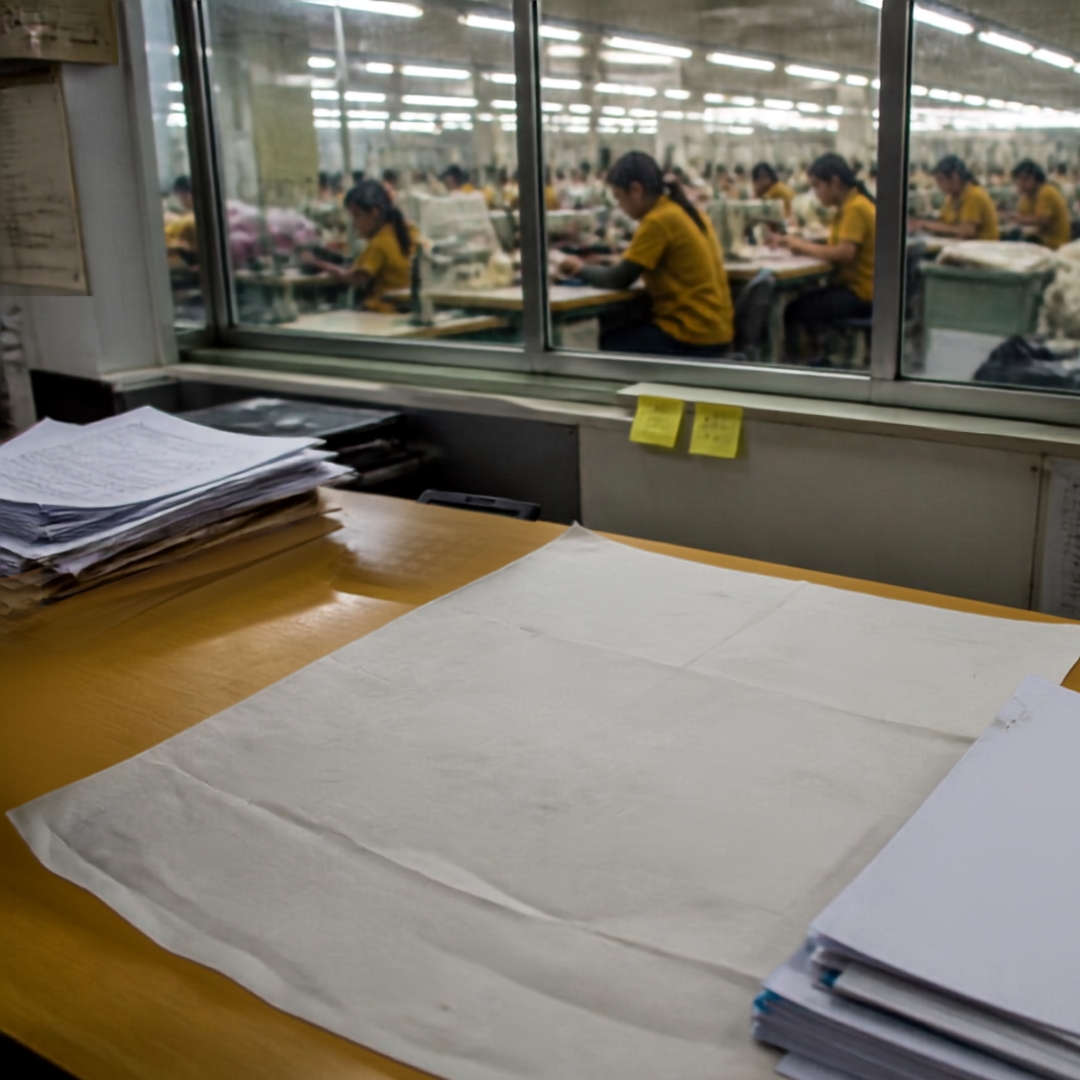
You'll be able to build a decision tree for a capacity call, roll it back to expected value and EVPI, and run a sensitivity table that shows the exact demand probability at which "add a line" flips to "subcontract."