

Apparel PLM means product lifecycle management for fashion teams. It holds the details needed to develop and release a product. These include style specifications and material choices. It also holds bills of materials, sample comments and approvals. One controlled product record brings these details together. The factory can then see which version it has permission to make.
A product developer or merchandiser needs more than a screen count. Ask how each change reaches the people it affects. They need updates to fabric, measurements or construction. These must arrive before they commit material or production. A well-run spreadsheet can outperform software with poor controls. The aim is a sound release process. Choose tools that support it.
Start with the product development record
A style record should name the product and season or programme. List its size range and colourways. Name the developer in charge. Link it to controlled specifications. Do not rely on a filename such as latest final. A technical package may hold drawings and points of measurement. It may also hold construction instructions and a bill of materials. Include any other details the product needs.
Centric Software's public BOM guide describes product details held in one place. It also covers version control. Techpacker's guide explains how technical specifications tell suppliers what a product needs. These show some available approaches. They do not prove that every apparel PLM product uses the same workflow.
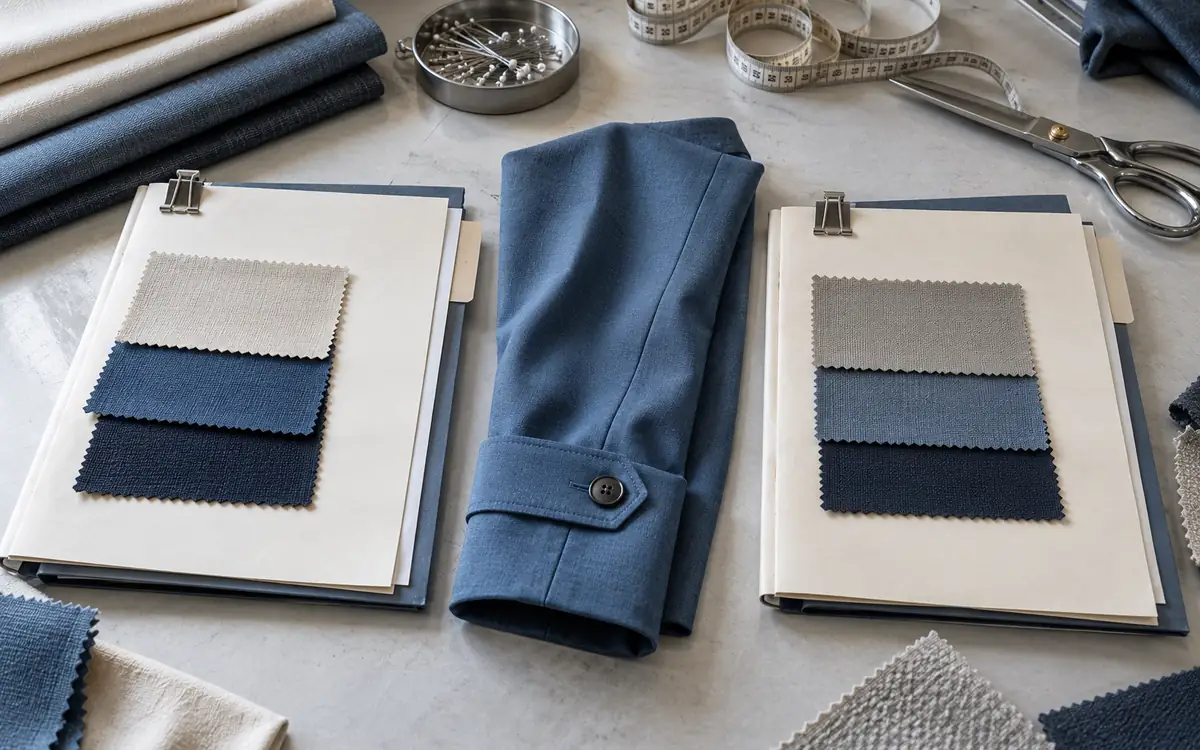
Give materials their own identities. Two fabrics can share a colour description but differ in other ways. Check their construction, usable width and finish. Supplier approval may differ too. A style-to-material link should name the approved material and revision. Record any allowed alternatives clearly. A small change in wording can hide a different production input.
Map fashion product development through decision gates
A useful fashion product development workflow moves through decisions. It does more than collect files. The stages vary, but teams commonly approve the design brief. They also approve the technical specification. Development samples and cost need approval. Production release needs approval too. Each decision needs evidence, an owner and an outcome.
Decision gate | Evidence to retain | What the gate permits |
|---|---|---|
Design brief | Intended use product details and commercial constraints | Start technical development |
Technical specification | Controlled measurements construction and materials | Request the defined sample |
Sample review | Sample identity comments and decision | Revise or approve the next stage |
Cost review | Approved material consumption and price basis | Confirm the commercial proposal |
Production release | Approved product revision and open restrictions | Issue the defined production instruction |
An uploaded sample is not always an approved sample. Pending, rejected and approved are different states. Approval may come with conditions. If so, name the open issue and state which work must wait. A workflow board may look good yet still fail. Users must not be able to release an obsolete specification through another route.
Control one change from sample to bulk
Take this example of a style ordered for 4,000 garments. The first development BOM lists fabric consumption of 1.35 metres per garment. A checked pattern and marker revision changes the approved requirement to 1.42 metres. Both figures use the same consumption basis. The increase is 0.07 metre per garment. Across the order, that adds 280 metres.
The original requirement was 5,400 metres. The revised requirement is 5,680 metres. This example leaves out any separately defined allowances. It also excludes remaining stock and purchasing constraints. The planner must account for these on a consistent basis. That gives the actual material requirement.
The PLM change should show the old and new consumption. Name the supporting marker or technical record. State which style it affects. State which revision takes effect. Name who must assess the impact on material booking. They must also assess cost and delivery. Without these links, a new attachment leaves each department to find the change alone.
Use the cutting process control guide for the evidence behind a production-ready marker. PLM can keep that evidence and its approval. Storage alone does not prove the marker or measurements are correct. The team must still check the physical marker and fabric measurements.
Distinguish PLM from ERP without creating a gap
PLM mainly supports product definition and development decisions. ERP mainly supports business transactions and operational resources. These include purchasing, stock, production orders and finance. Real product suites may overlap. Assign ownership for each actual process and field. Do not assume the software label decides who controls them.
An approved development BOM may start in PLM. ERP may control the released production BOM and material issues. The link between them needs a style key and revision. Include material identifiers and units. List colour and size relationships. State the release status and a rule for handling errors. Agree which system can change each field after release.
Infor's public fashion overview presents ERP and PLM as related capabilities. This does not mean they will connect well at a given factory. Ask to see a real product revision reach the other system. Test what happens when a material code is missing. Also test what happens when a release is withdrawn.
Test the workflow with a small acceptance script
Choose one style with two colours and three sizes. This gives six colour-size combinations. The actual master-data structure may use one parent style. It may hold these combinations as variants beneath it. Check that each specification stays with the right combination. Do the same for BOM exceptions and sample approvals.
Create a controlled test revision and change one material. Ask the team to trace the effect. Who received the change? Which open samples became obsolete? Did the team update costing? Check that production stayed on the approved revision until permission changed. These checks make the acceptance exercise useful.
Then test a failed handover. Use an unmapped material code in a safe test environment. Check that the integration reports an error the team can act on. Try the same release again. It must not create duplicate styles or double the material requirement. Keep the test evidence. A good supplier presentation alone is not enough.
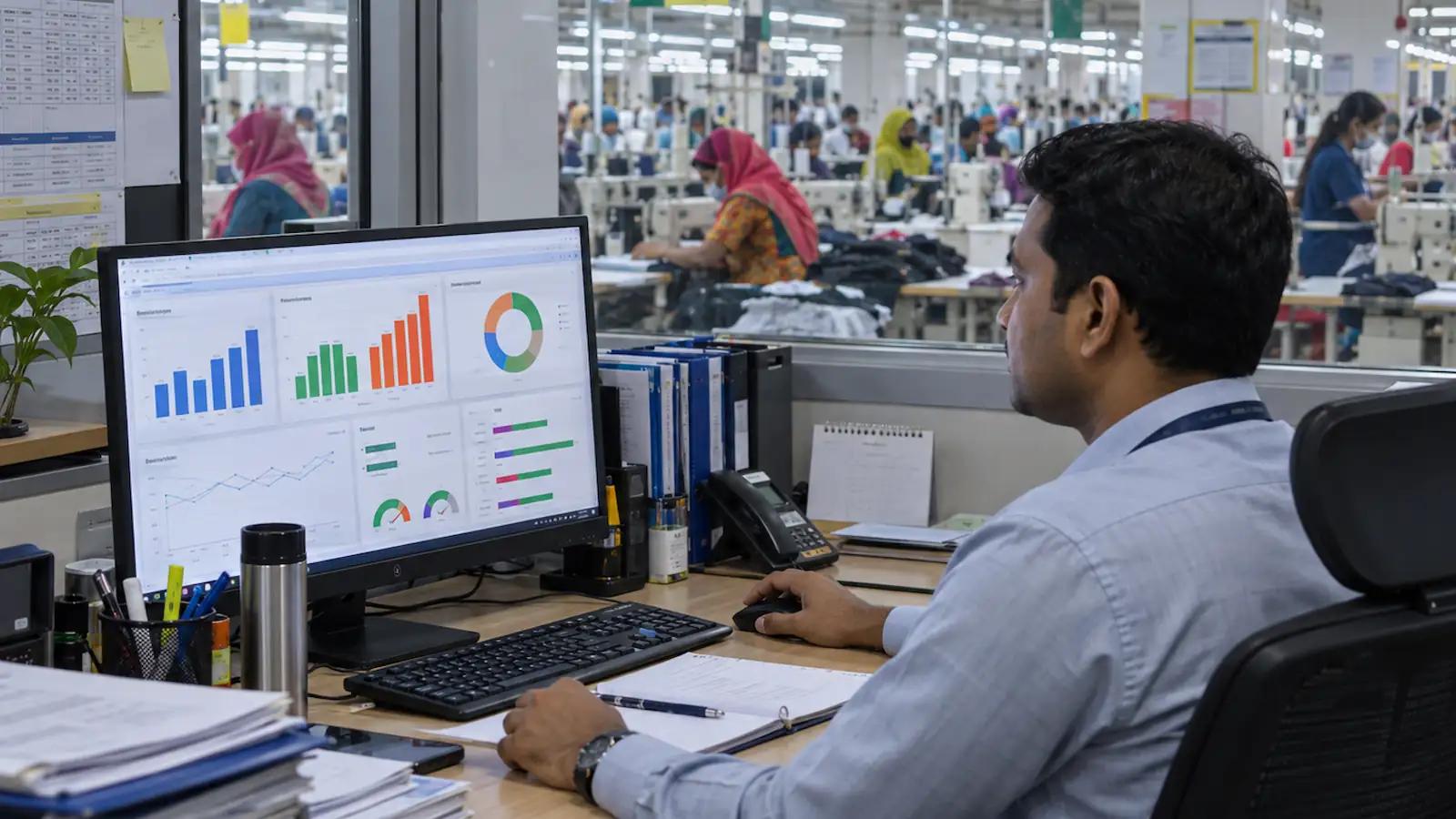
The manufacturing analytics stack guide explains how to connect source records and reports. A dashboard should use the controlled release state. It should not let people redefine the product in another place.
Measure the development process on a stable basis
Track sample turnaround and approval waiting time. Track revisions after release too. Also track incomplete handovers. Define the start and end events for each measure. One team may time samples from request. Another may start from dispatch. These figures cover different intervals. Where timestamps allow, separate supplier work from internal waiting.
Here is an original teaching example. A team issues twelve sample requests in a week. Nine have all the required information. Three lack an approved measurement sheet. Complete-request rate is 9 divided by 12, or 75 percent. This points to an input-control problem. It does not prove that installing PLM will cut lead time. Nor does it show the percentage of any reduction.
Keep unresolved requests in the denominator. A report of completed samples alone can hide delays. The late work stays out of view until it closes. An ageing list shows how long approvals have been pending. The developer can act on this list. They can also view the completed-cycle statistics.
Select capabilities through the release problem
Before comparing PLM systems for apparel, write a short acceptance brief. Base it on the factory's actual failure modes. Include version control, sample comments and material identity. Cover supplier access and approval authority. Check integration exceptions. Ask if the history can be exported. Ask the supplier to show all these on the same test style.
Start with one product family and one agreed release process. Clear up uncertain ownership and naming before moving every old file. The aim is a useful product record. It should be clear to a merchandiser, technical designer and factory planner. They should each reach the same understanding when they read it.
References
Centric Software: What is a bill of materials?


Discussion0
Loading the discussion…