

Line Efficiency, Labour Productivity and Utilisation: Check the Denominators
Reconcile line efficiency, labour productivity and utilisation with one worked shift. Check worker minutes, product mix, quality rules and target attainment.
Garment Factory Calculators and Guides
Industrial Engineer & Business Process Optimization Executive
Salauddin Ahamed Sagar is an industrial and production engineer in Dhaka, Bangladesh, specializing in ready-made garment manufacturing, ERP systems, and industrial engineering. He leads ERP and process optimization projects at Apex Holdings Ltd. and previously worked in line balancing and industrial engineering at Epyllion Group and Young Group. He holds a BSc in Industrial and Production Engineering from NITER (University of Dhaka) and founded Apparel Diary to share practical engineering methods, calculators, and factory operations guides.
Reconcile line efficiency, labour productivity and utilisation with one worked shift. Check worker minutes, product mix, quality rules and target attainment.

Plan a garment work-sampling study with random observations, clear activity codes and checked calculations. Handle missing records, uncertainty and time shares.

Explain wage rises and garment unit labour cost with checked examples. Separate hourly cost, hours, good output, product mix and real earnings from pay duties.

Understand yarn tensile testing with worked force, tenacity, elongation and energy calculations. Compare methods, grips, count and test conditions correctly.

Assess sewing operators with clear task criteria, observed work and fair follow-up. Separate course attendance, quality results, skills records and approval.

Read yarn evenness reports with worked CVm, U and imperfection examples. Interpret test length, spectrogram wavelengths and benchmark percentiles with care.

Verify alpha-amylase desizing on woven cotton using Tegewa iodine ratings, residual starch checks, and mass-loss controls before scouring and bleaching.

Test a garment work-method change with paired runs, quality checks and worker input. Compare accepted output, support labour and product mix before adoption.
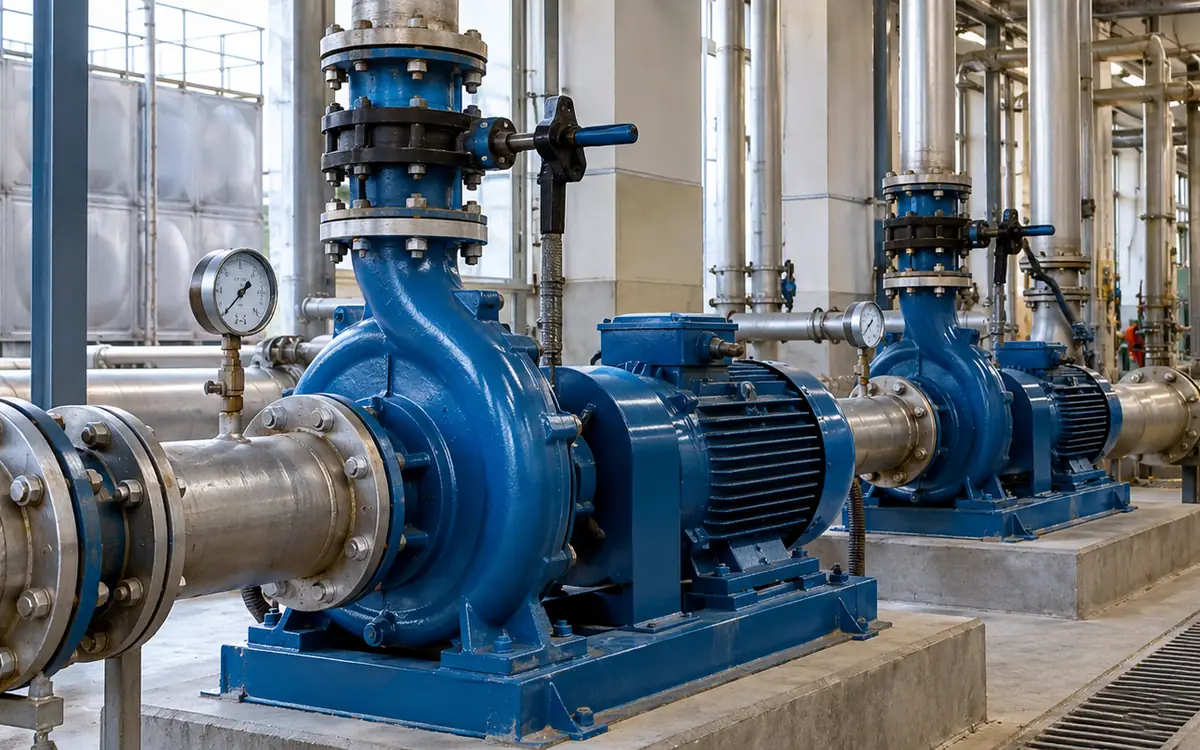
Optimise textile pump systems using real flow and head, system curves, full power checks and worked comparisons of throttling, speed control and annual costs.