

Garment Sample Types: What Each Approval Must Prove
Understand garment sample types, what each approval proves and where its limits lie, with practical plans for size coverage, sample quantities and review time.
Garment Factory Calculators and Guides
Industrial Engineer & Business Process Optimization Executive
Salauddin Ahamed Sagar is an industrial and production engineer in Dhaka, Bangladesh, specializing in ready-made garment manufacturing, ERP systems, and industrial engineering. He leads ERP and process optimization projects at Apex Holdings Ltd. and previously worked in line balancing and industrial engineering at Epyllion Group and Young Group. He holds a BSc in Industrial and Production Engineering from NITER (University of Dhaka) and founded Apparel Diary to share practical engineering methods, calculators, and factory operations guides.
Understand garment sample types, what each approval proves and where its limits lie, with practical plans for size coverage, sample quantities and review time.

A change in fabric mix can make a mill’s energy per kilogram rise even when its process performance improves. This guide builds a transparent baseline with two product families and a fixed load.

Build a reliable apparel bill of materials with size and colour quantities, allowance rules, purchase-unit conversions and clear control of approved changes.

Create a clear garment specification sheet with defined measurements, tolerances, construction notes and revision control, plus checked size-table examples.

Build a clear garment trim approval process for samples, testing, bulk release and substitutions, with a worked variant matrix and practical control records.
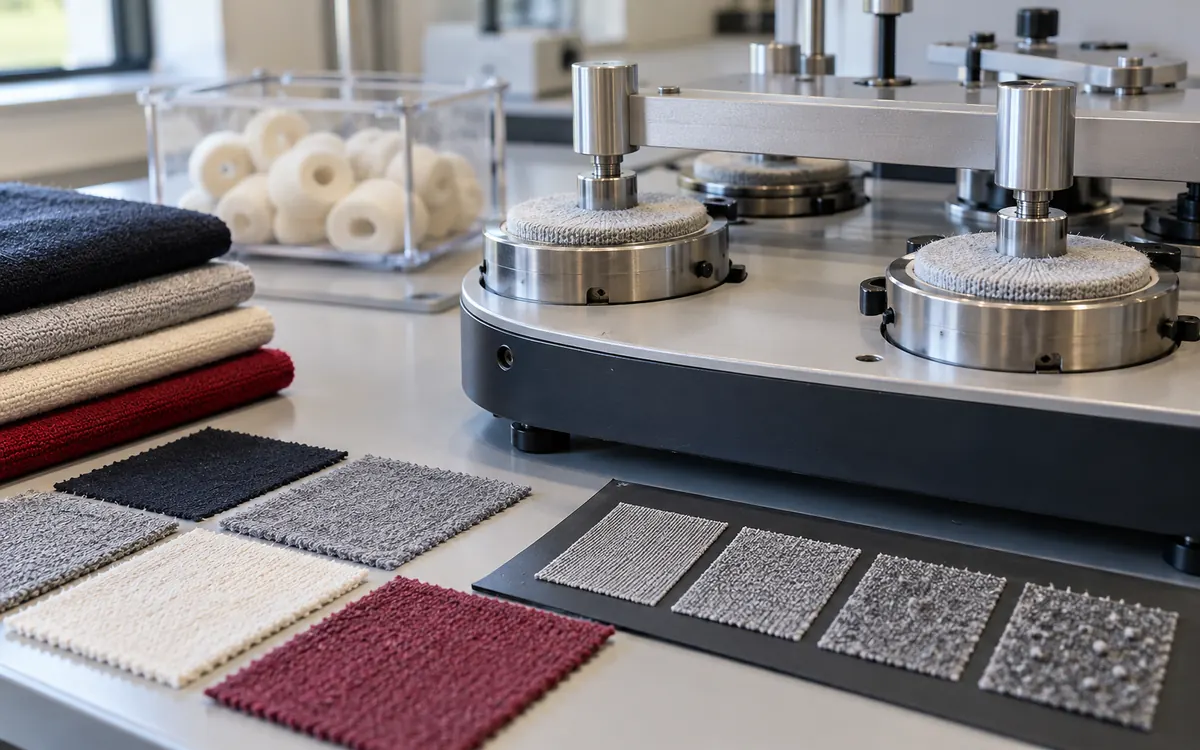
A pilling grade is meaningful only when the test method, fabric state, exposure, and assessment are known. This guide compares box, Martindale, and random tumble approaches. It explains why pill wear-off can improve a later rating without preventing earlier damage.