

Industrial Sewing Machine Parts: Follow the Fabric and Thread Paths
Learn sewing machine parts and functions by tracing the thread and fabric paths. Identify controls, verify the approved setup and write a useful handover.
Garment Factory Calculators and Guides
Sewing machines, needles, garment hardware, boilers, steam recovery, HVAC, and energy audits for textile plants.
Plant utilities and sewing equipment determine how many productive hours a textile mill or garment factory can run without waste. Good first reads are industrial sewing machine parts and thread paths, sewing needle systems and replacement controls and textile plant boiler capacity and peak steam demand. The emphasis is on measurements and balances plant teams can verify.
25 published articles across 4 sub-categories
Learn sewing machine parts and functions by tracing the thread and fabric paths. Identify controls, verify the approved setup and write a useful handover.

Identify sewing machine needle parts and compare system, size, point and coating. Use metric-size examples and a practical replacement check for each operation.

Calculate peak steam demand for a textile plant. Compare batch timing, boiler rating conditions, feedwater, low-load duty and reserve in a worked example.

Specify tensile strength, strap-slip resistance, wash cycling, and nickel-free finish tests for bra rings, sliders, and hook-and-eye closures before bulk approval.

Choose which spare parts to stock, share or source using consequence, recovery time and technical compatibility. An illustrative cost screen separates annual holding cost from avoidable outage exposure, while the decision matrix and receiving controls keep safety-critical items.
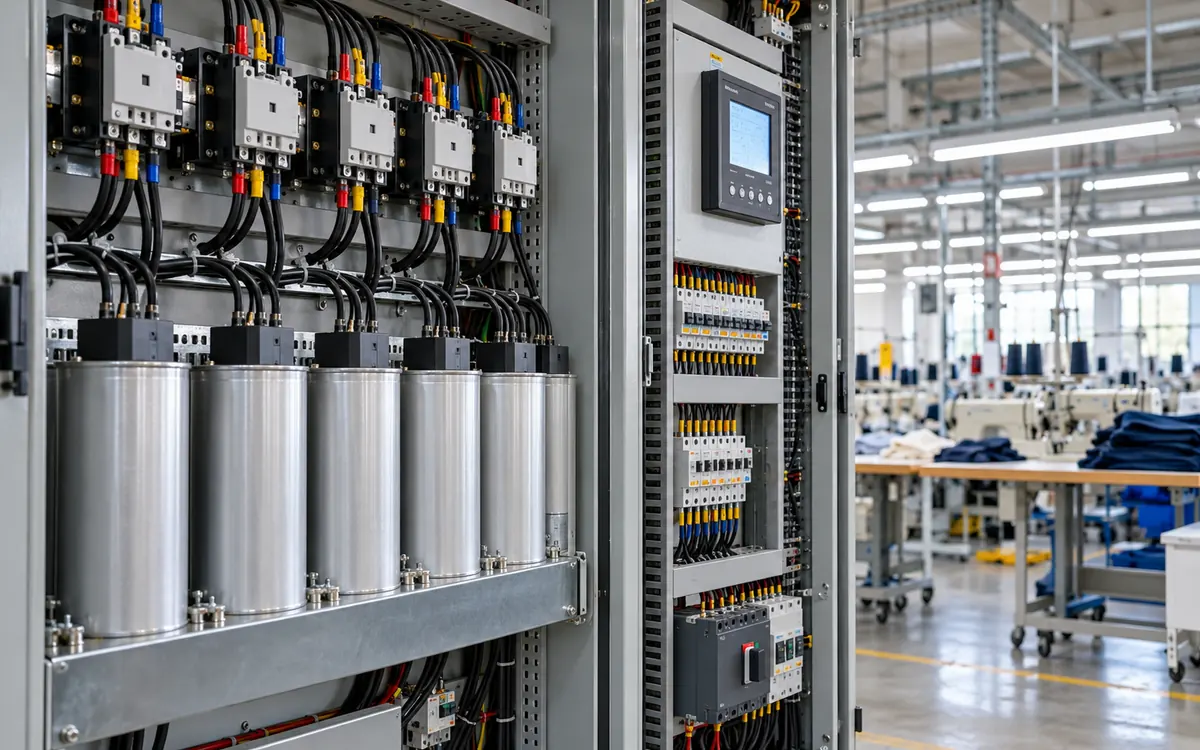
Plan power factor correction for a garment factory with kvar calculations, tariff checks, harmonic review, low-load tests, and clear evidence of real savings.
Calculate peak steam demand for a textile plant. Compare batch timing, boiler rating conditions, feedwater, low-load duty and reserve in a worked example.

Compare generator dispatch options using a worked fuel model. Check transition costs, load changes, unit-failure reserve, kW and kVA before planning a measured factory trial.

Measure generator fuel consumption with a reconciled litre and kWh ledger. Check delivery cutoffs, return flow, load mix, efficiency and fuel cost.
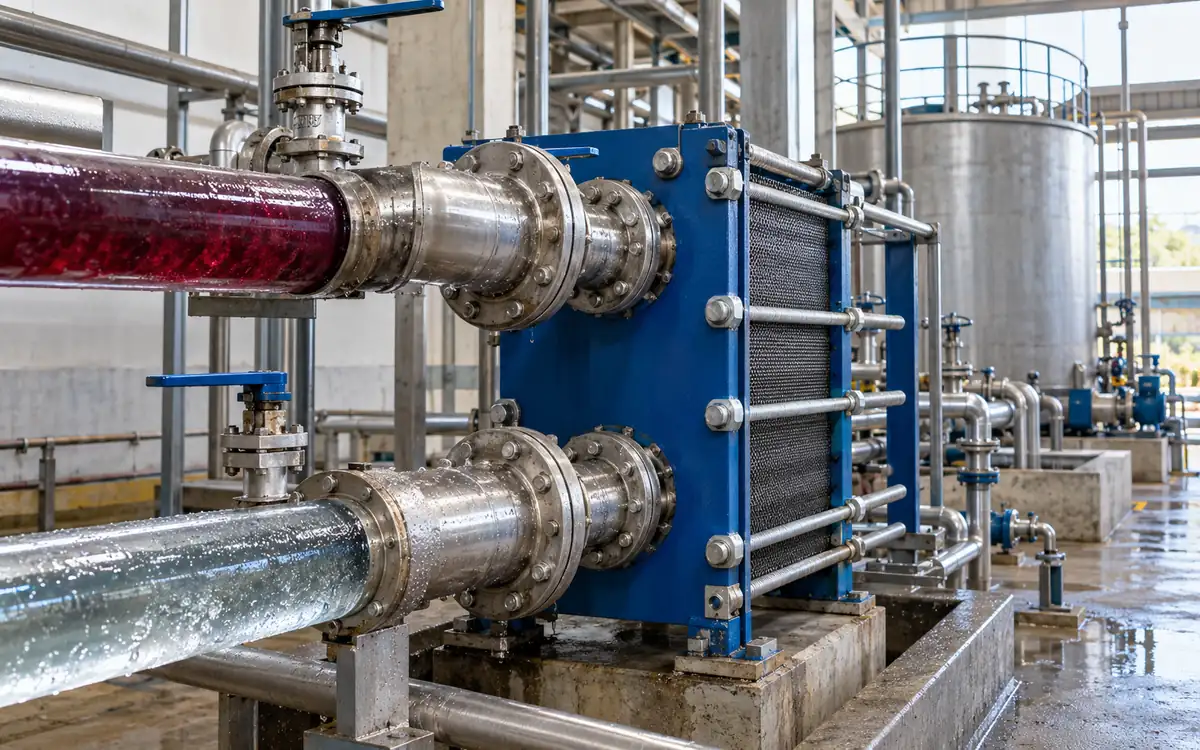
Hot effluent becomes a useful energy source only when a suitable receiver can use its heat. This guide develops an original two-stream heat balance, checks end temperatures and exchanger area, and explains effectiveness without confusing it with fuel savings.

Plan factory utility capacity before adding equipment. Reconcile steam, air, electricity and water loads, peak timing, service quality and approval evidence.

Write a textile factory energy audit scope with clear boundaries, measurement plans, useful deliverables, fair bid comparisons and practical acceptance checks.