

Boiler Capacity for Textile Plants: Peak Steam Demand and Usable Output
Calculate peak steam demand for a textile plant. Compare batch timing, boiler rating conditions, feedwater, low-load duty and reserve in a worked example.
Garment Factory Calculators and Guides
Textile boilers, condensate recovery, chillers, HVAC air balance, power factor correction, and ISO 50001 controls.
Utility and maintenance work in a textile mill focuses on keeping steam, power, HVAC and process equipment efficient. The guides cover boiler combustion efficiency, condensate recovery, steam trap surveys and power factor correction for garment factories, with heat and energy balances that show where cost leaks. Plant engineers and utility managers can use these topics to decide which meter readings to track and which efficiency threshold should trigger corrective action.
15 published articles
Calculate peak steam demand for a textile plant. Compare batch timing, boiler rating conditions, feedwater, low-load duty and reserve in a worked example.
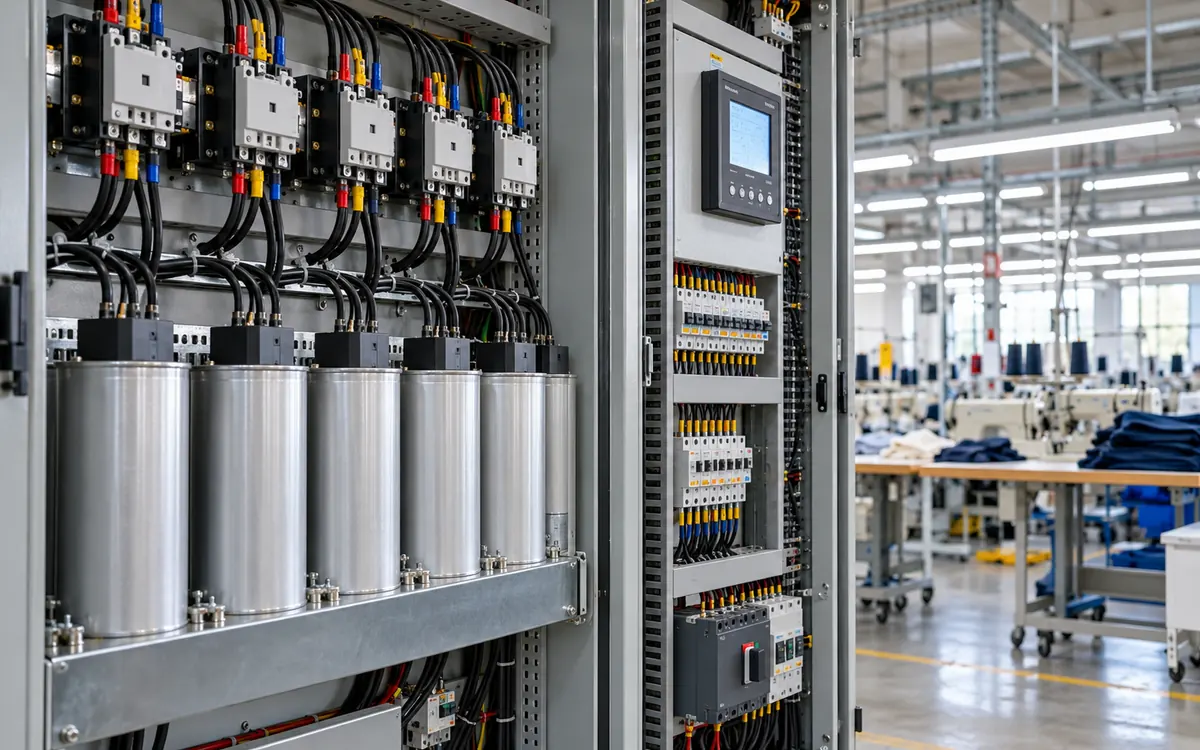
Plan power factor correction for a garment factory with kvar calculations, tariff checks, harmonic review, low-load tests, and clear evidence of real savings.
Calculate peak steam demand for a textile plant. Compare batch timing, boiler rating conditions, feedwater, low-load duty and reserve in a worked example.

Compare generator dispatch options using a worked fuel model. Check transition costs, load changes, unit-failure reserve, kW and kVA before planning a measured factory trial.

Measure generator fuel consumption with a reconciled litre and kWh ledger. Check delivery cutoffs, return flow, load mix, efficiency and fuel cost.
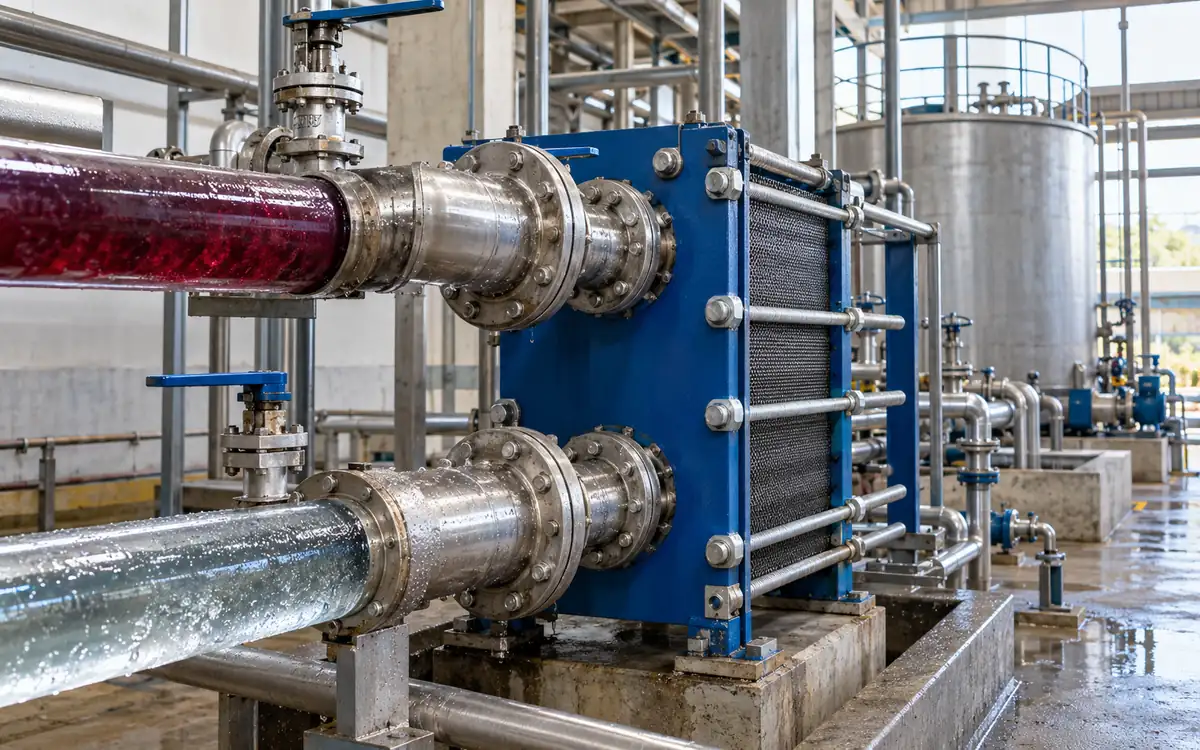
Hot effluent becomes a useful energy source only when a suitable receiver can use its heat. This guide develops an original two-stream heat balance, checks end temperatures and exchanger area, and explains effectiveness without confusing it with fuel savings.

Plan factory utility capacity before adding equipment. Reconcile steam, air, electricity and water loads, peak timing, service quality and approval evidence.
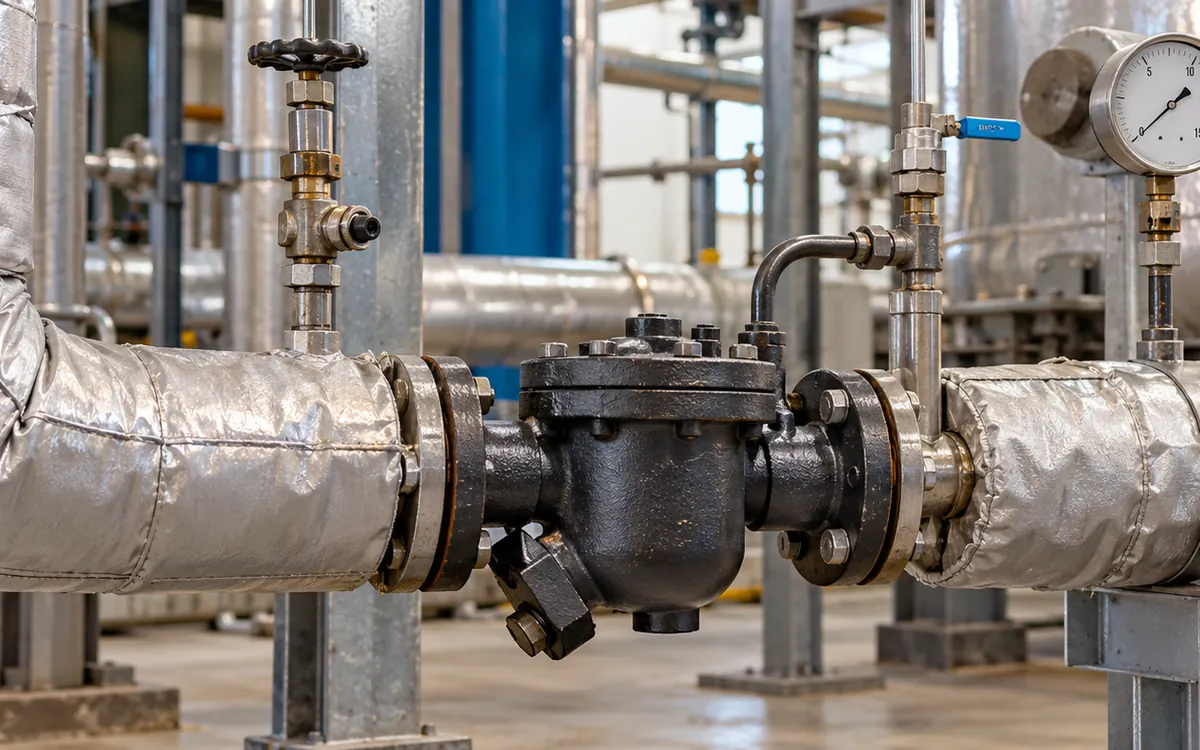
Plan a textile mill steam trap survey, separate leaks from drainage faults, calculate credible repair savings and verify each result under real process loads.
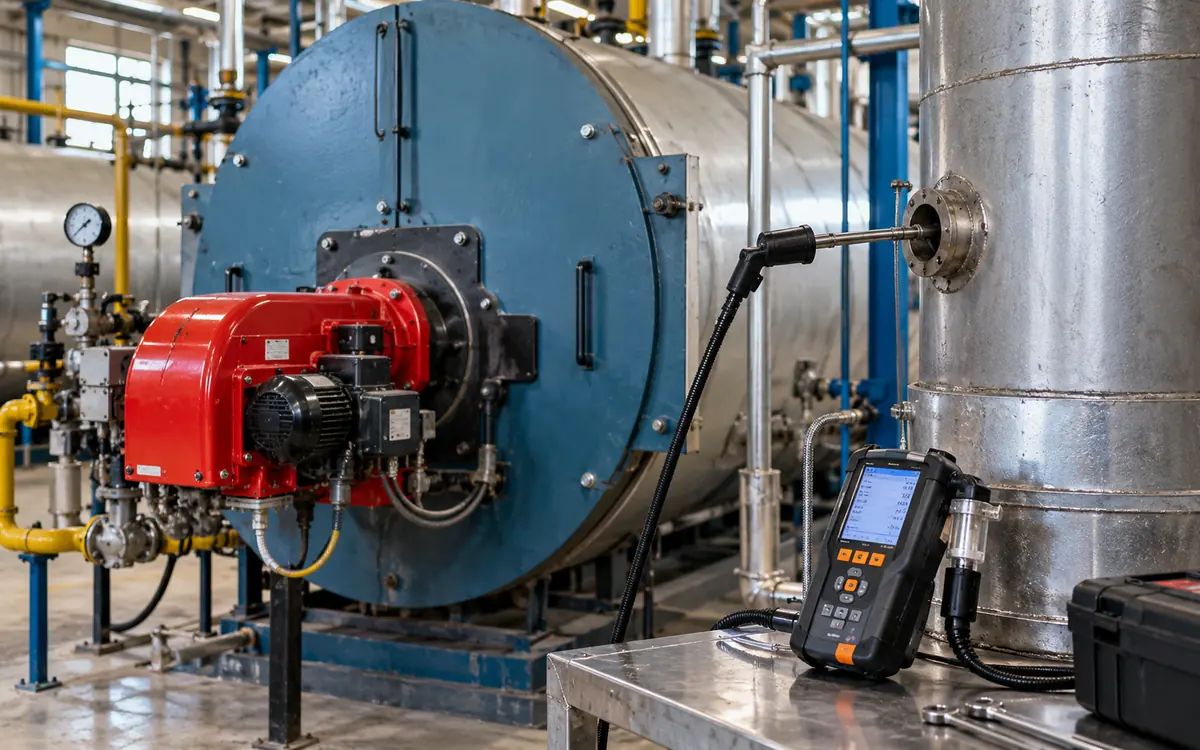
Interpret flue-gas oxygen, excess air, stack temperature, and HHV versus LHV efficiency during textile mill boiler audits to quantify real fuel savings.
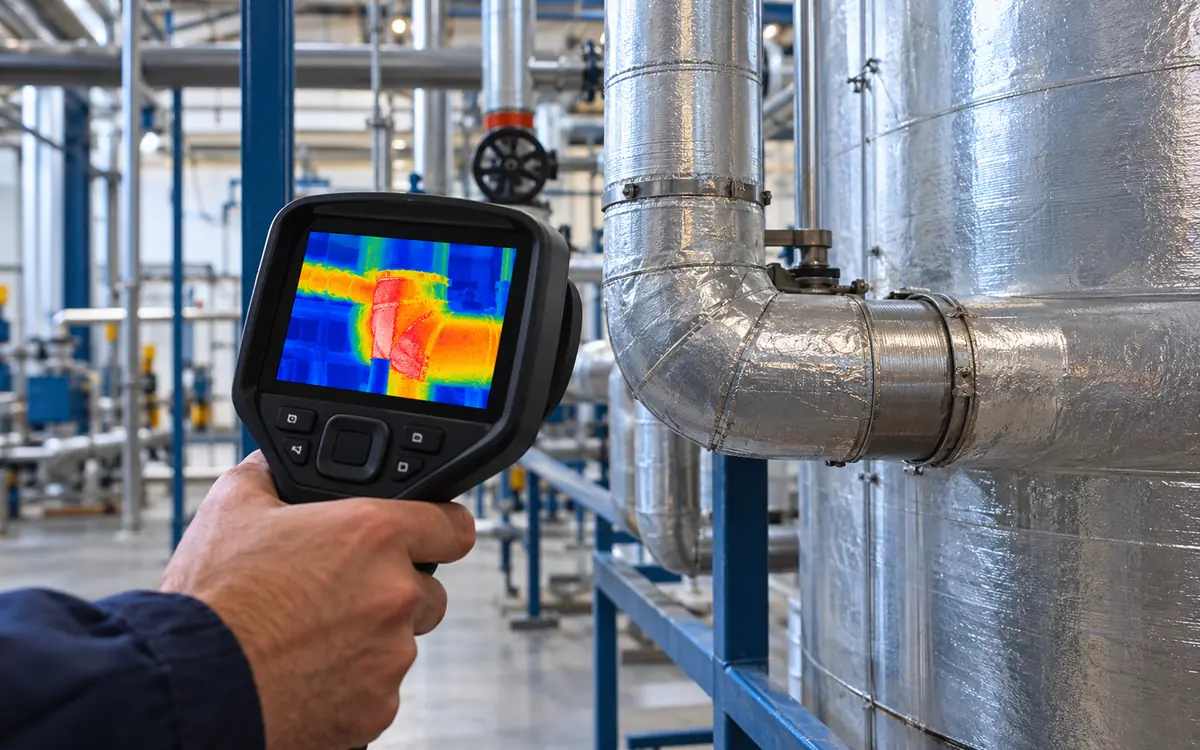
Use thermal imaging in factory energy audits with checks for emissivity, reflections, target size, load, and uncertainty before making repair or savings claims.