

Garment Feasibility Review Before Order Confirmation
Review garment order feasibility before confirmation using product trials, supply evidence, timing checks and clear conditions for accepting an order.
Garment Factory Calculators and Guides
Industrial Engineer & Business Process Optimization Executive
Salauddin Ahamed Sagar is an industrial and production engineer in Dhaka, Bangladesh, specializing in ready-made garment manufacturing, ERP systems, and industrial engineering. He leads ERP and process optimization projects at Apex Holdings Ltd. and previously worked in line balancing and industrial engineering at Epyllion Group and Young Group. He holds a BSc in Industrial and Production Engineering from NITER (University of Dhaka) and founded Apparel Diary to share practical engineering methods, calculators, and factory operations guides.
Review garment order feasibility before confirmation using product trials, supply evidence, timing checks and clear conditions for accepting an order.

Prepare a garment export packing list that matches actual cartons, size ratios, weights and volume, with worked checks for partial packs and mix errors.

Prepare a clear garment price quotation with defined product scope, units, delivery and payment terms, plus a worked comparison of two supplier offers.

A smaller wash bath does not automatically mean a better result per garment. Extra rinsing, drying, rework and rejected pieces can change the comparison.

Manage fabric colour approval from the first lab dip to bulk handover, with clear standards, viewing conditions, sample IDs and buyer sign-off records.

Plan textile fibre identification with microscopy, FTIR and blend analysis. Learn what tests can prove about fibre type, mass share, origin and brand claims.

Standardize garment points of measure, flat-lay setup, stretch tension, and closure alignment so factory QC and buyer inspectors get repeatable readings.
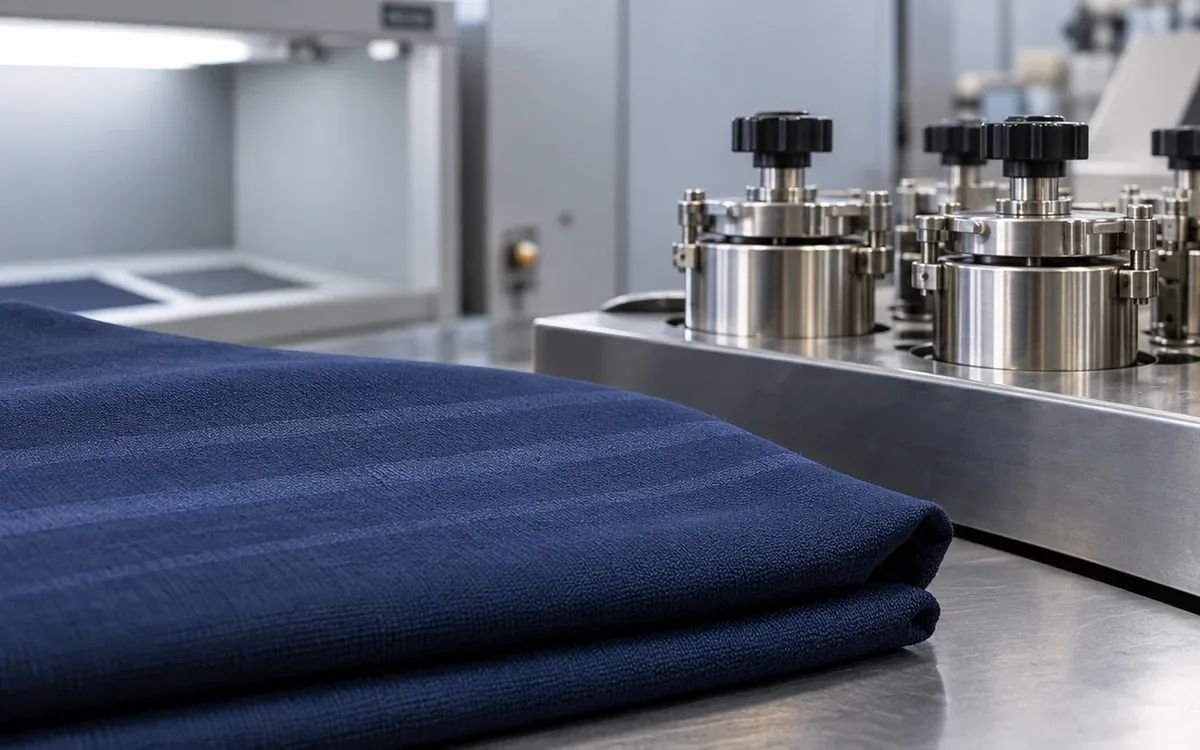
A striped nylon lot needs a cause-based investigation before another dye addition. This guide separates fibre and fabric differences from uptake-rate problems, then explains dye compatibility, pH history, acid donors, and levelling agents.
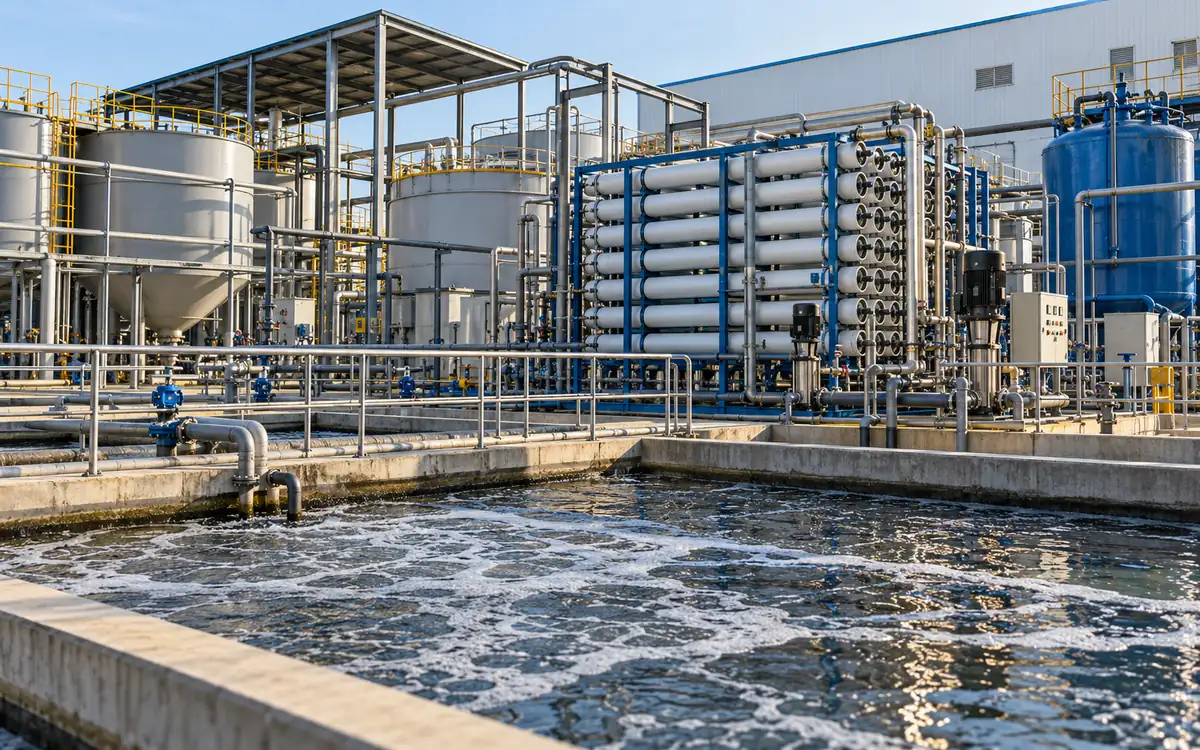
Choosing between textile wastewater treatment routes requires more than a recovery percentage or equipment price. This guide follows water, salts, and residues through an ETP, membrane reuse, and further concentration.