
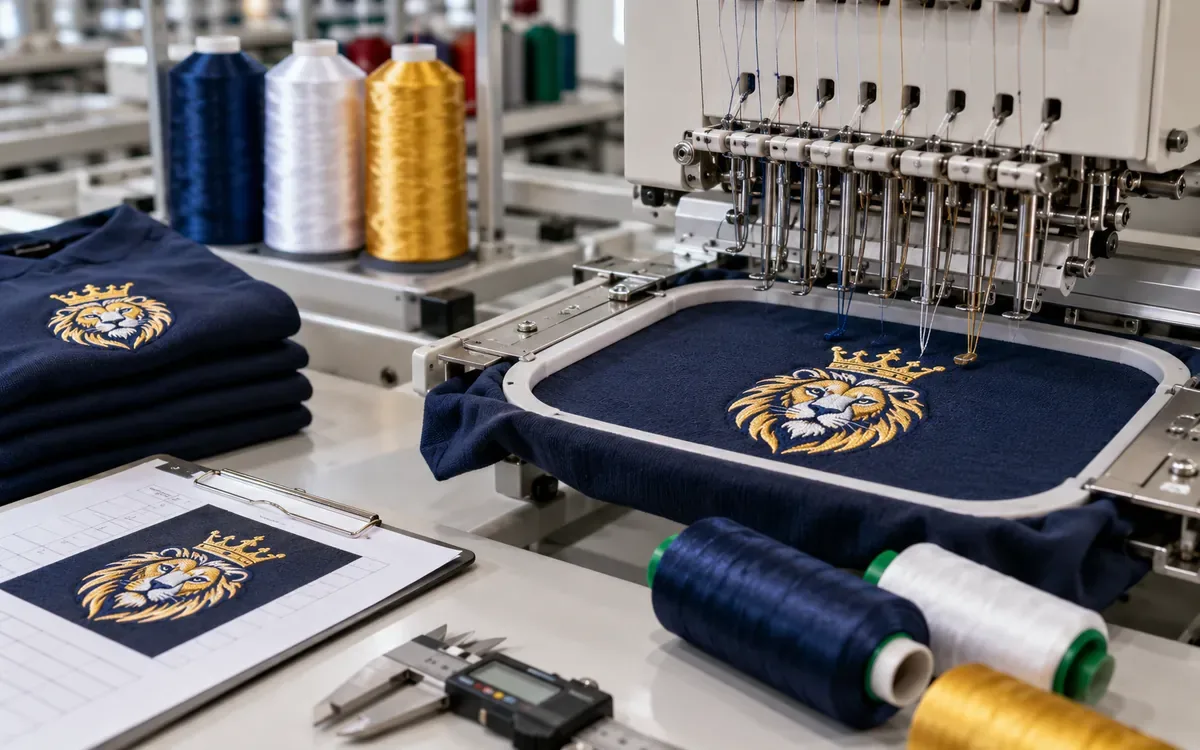
Embroidery Thread Consumption from Sample Measurement
Stitch count alone cannot define embroidery thread consumption. This guide connects software estimates with measured sew-outs and keeps top thread, bobbin thread and colour groups separate.
Garment Factory Calculators and Guides
Industrial Engineer & Business Process Optimization Executive
Salauddin Ahamed Sagar is an industrial and production engineer in Dhaka, Bangladesh, specializing in ready-made garment manufacturing, ERP systems, and industrial engineering. He leads ERP and process optimization projects at Apex Holdings Ltd. and previously worked in line balancing and industrial engineering at Epyllion Group and Young Group. He holds a BSc in Industrial and Production Engineering from NITER (University of Dhaka) and founded Apparel Diary to share practical engineering methods, calculators, and factory operations guides.
Stitch count alone cannot define embroidery thread consumption. This guide connects software estimates with measured sew-outs and keeps top thread, bobbin thread and colour groups separate.
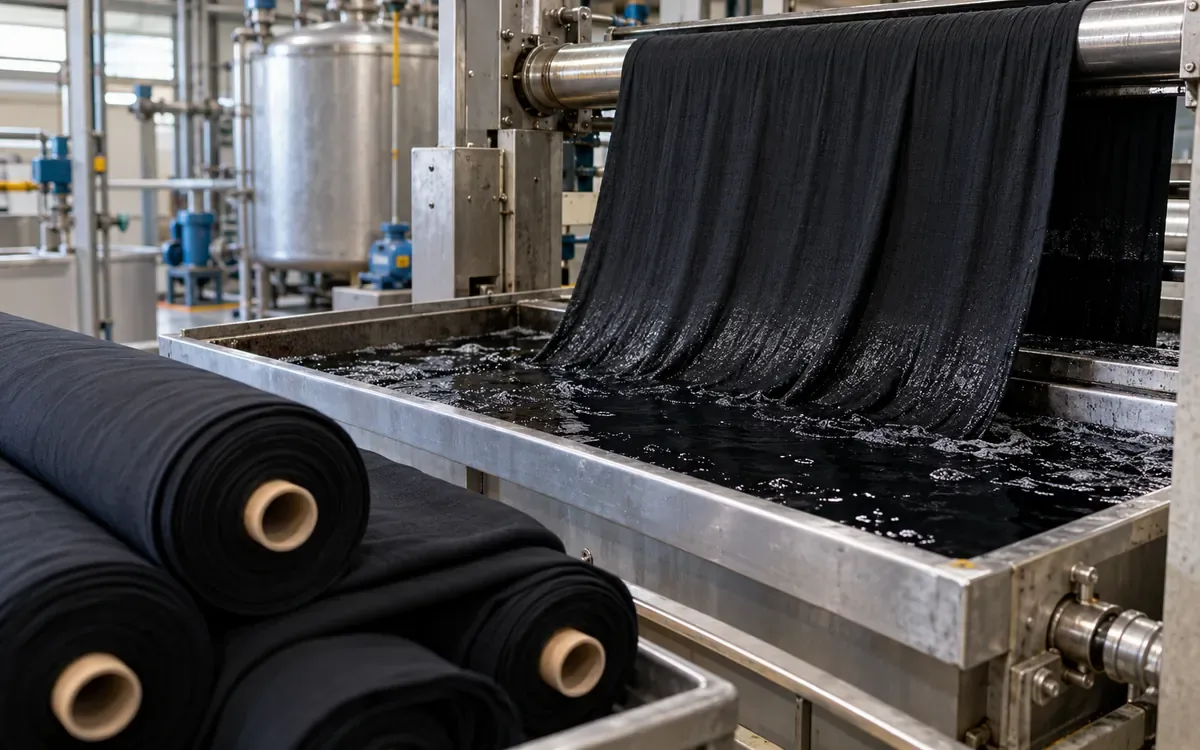
Control sulfur dyeing of cotton with reduction and oxidation checks, wash and rub tests, and examples that reveal storage tendering and aged strength loss.

Compare garment schedule changes with a worked late-material case. Check readiness, setup time, split quantities, due dates, approvals and version handover.
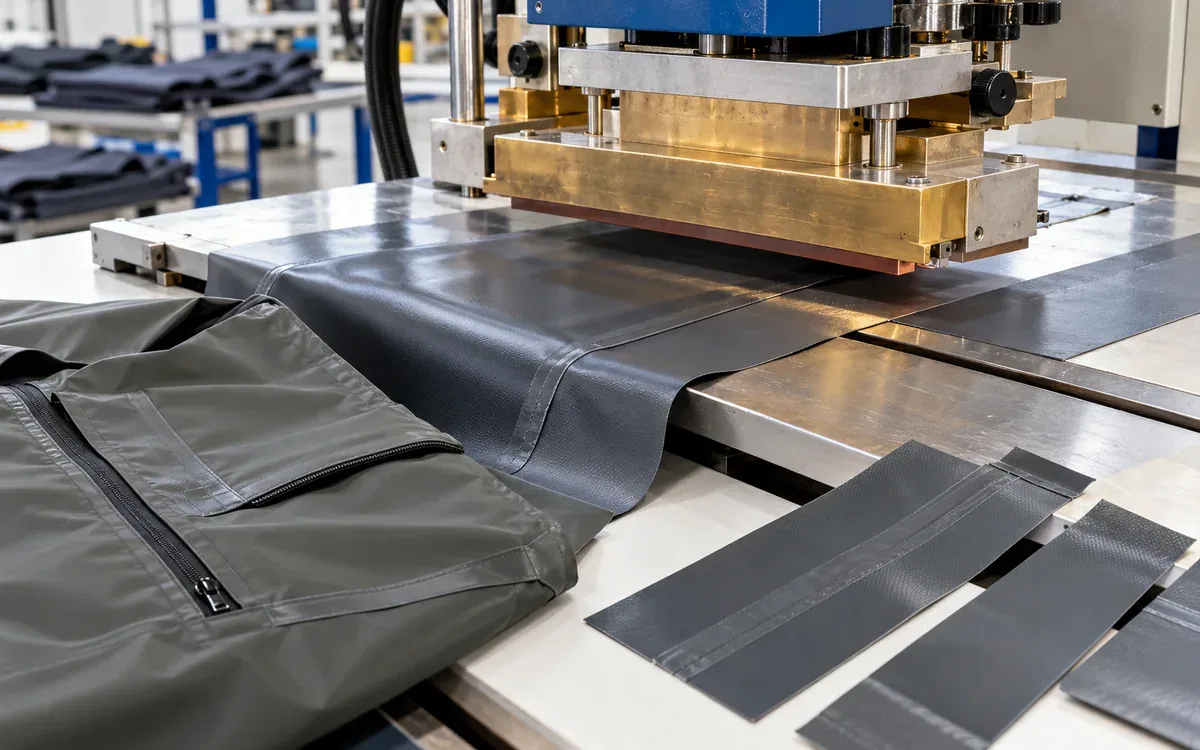
Qualify HF welding for coated textile seams with material checks, controlled trials, peel and leak tests, care validation, and clear production records.
Evaluate yarn quality for knitting with package sampling, feeder checks, fair stop-rate comparisons, finished-fabric trials and accepted-yield cost examples.
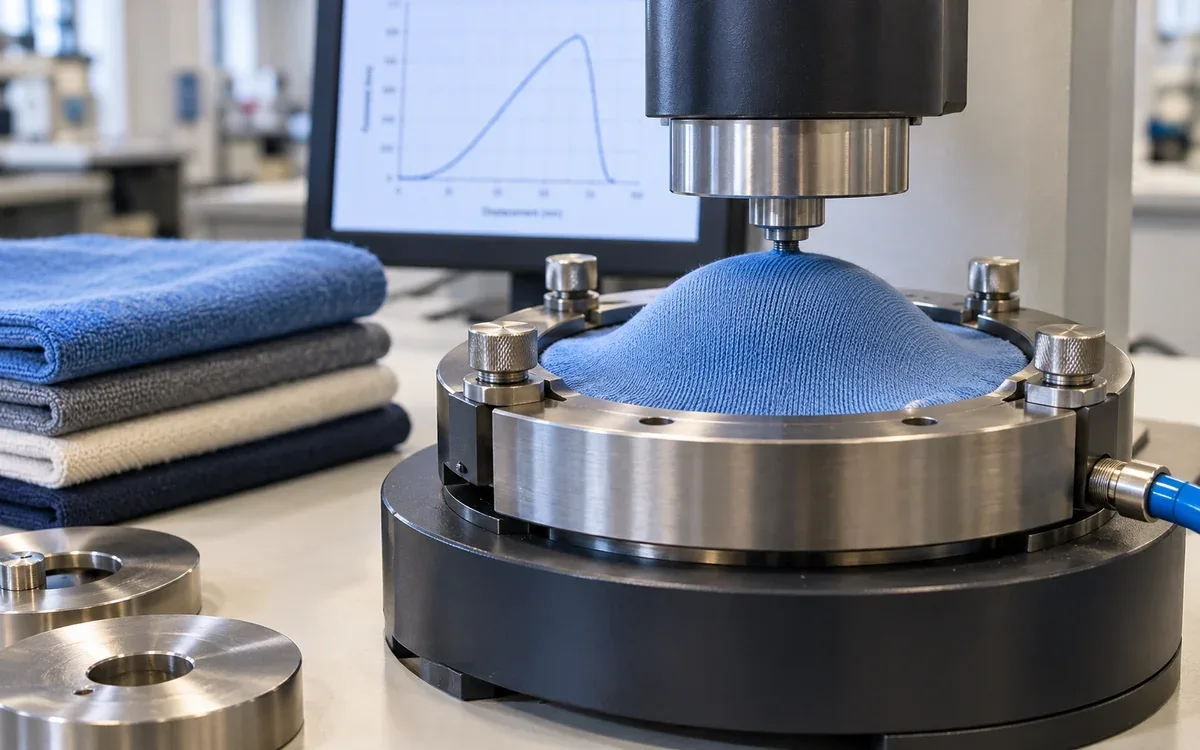
Bursting results depend on how the fabric is loaded and which quantity the instrument measures. This guide separates hydraulic and pneumatic diaphragm tests from mechanical ball tests.

Understand sliver coiling geometry, can capacity and withdrawal faults. Use worked mass, draft and spring examples to trace quality changes through the can.

Run a daily garment production meeting with checked output, clear action owners and recovery decisions. Track holds, backlog, evidence and shift handovers.

Set yarn clearer limits using fault size, length and output quality. Compare cuts, splice attempts, waste and delivered joins with an original winding trial.