
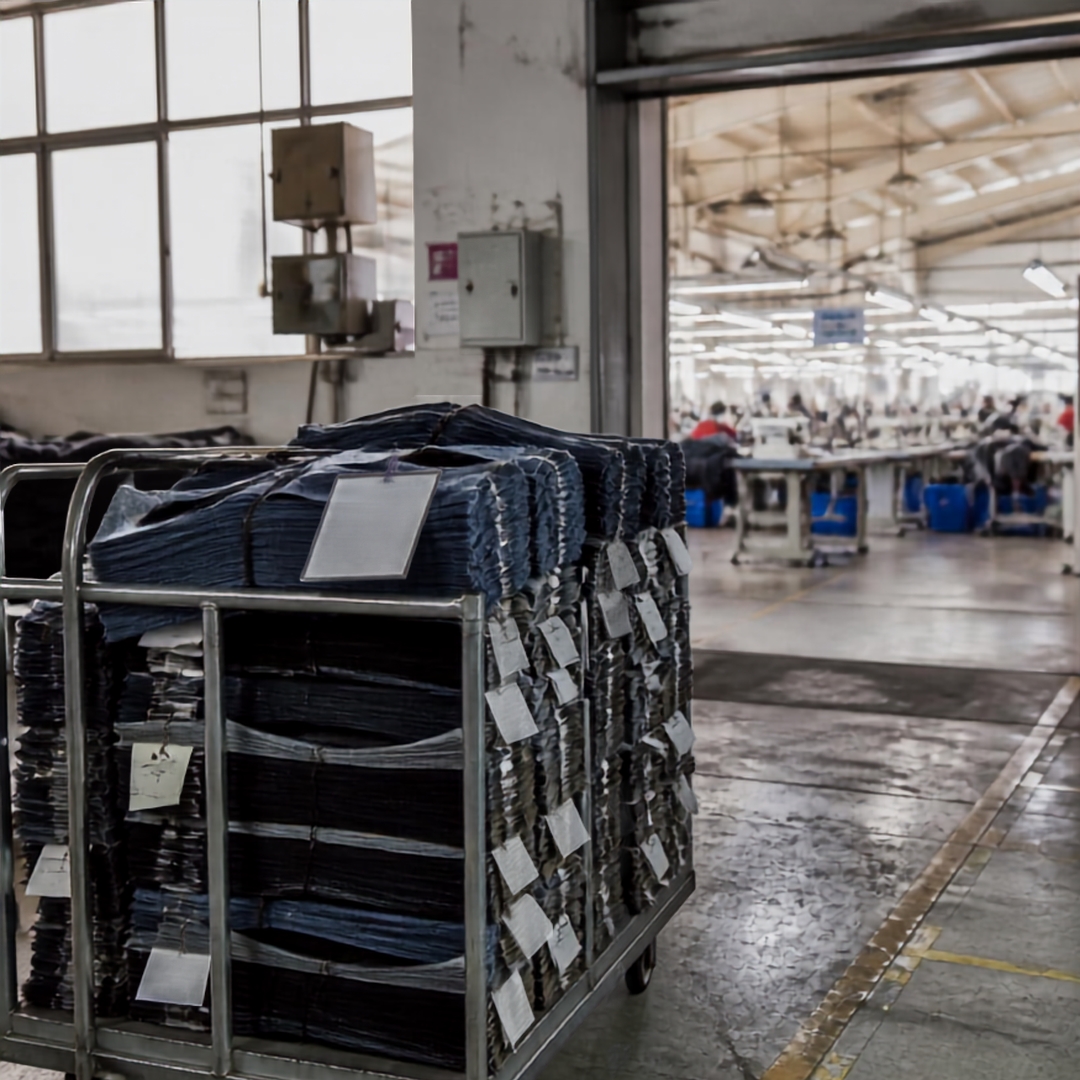
Kanban Pull System: Cutting-to-Sewing Handoff Guide
A step-by-step account of replacing push scheduling between the cutting room and the sewing floor with a two-bin kanban, including the card calculation and the first three weeks of failure modes.
Smarter Operations for Apparel
Fibre to finished garment: spinning, weaving, wet processing, apparel engineering and quality systems.
15 published articles across 5 sub-categories
A step-by-step account of replacing push scheduling between the cutting room and the sewing floor with a two-bin kanban, including the card calculation and the first three weeks of failure modes.
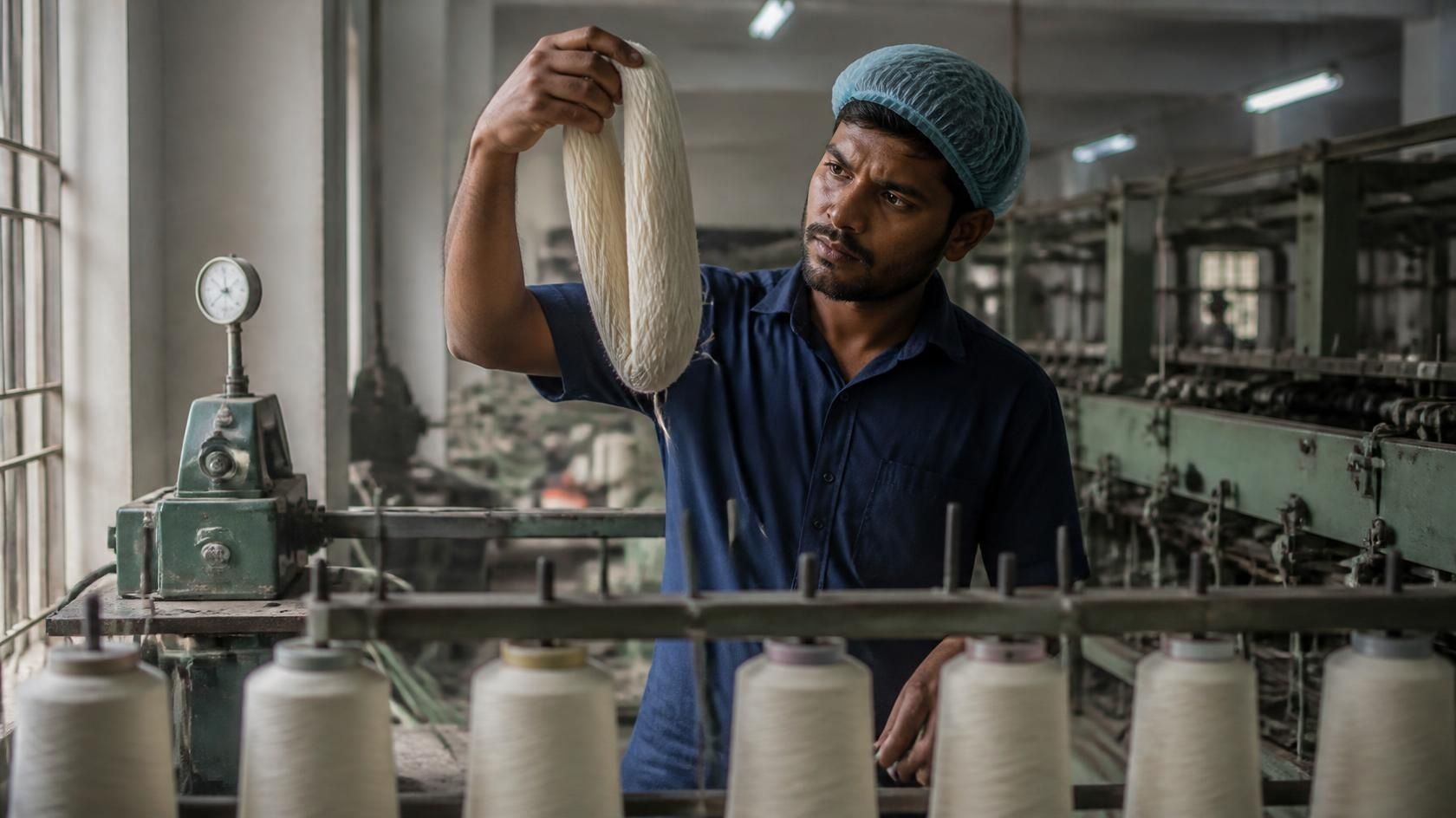
A merchandiser or mill planner will be able to convert confidently between Ne, Nm, Tex, dtex and Denier in either direction, correctly resolve ambiguous ply notation like 30/2, and run the round-trip check that catches a count error before an order ships.

To pinpoint whether pretreatment, dosing discipline, or a lab-to-bulk mismatch is driving their redye rate, and calculate what each point of lost RFT is actually costing their dyehouse.

A practitioner guide to standard minute value: rating, allowances, a fully worked time study, and what an SMV error actually costs a costing sheet.
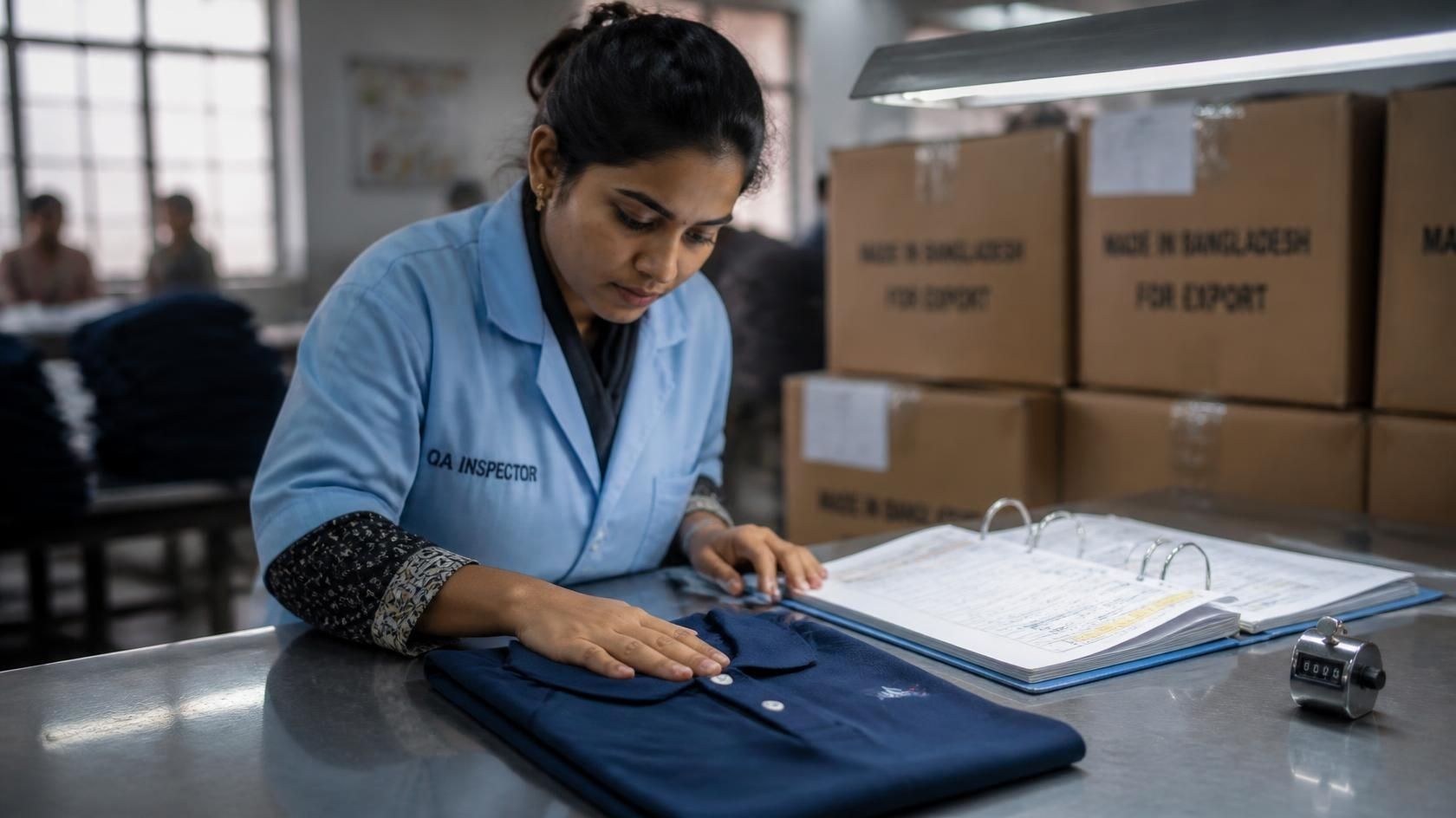
After reading this, a QA manager or inspector can pick the correct inspection level, derive the sample size and accept/reject numbers for any lot size, and defend a pass/fail decision using the ISO 2859-1 switching rules instead of guesswork.
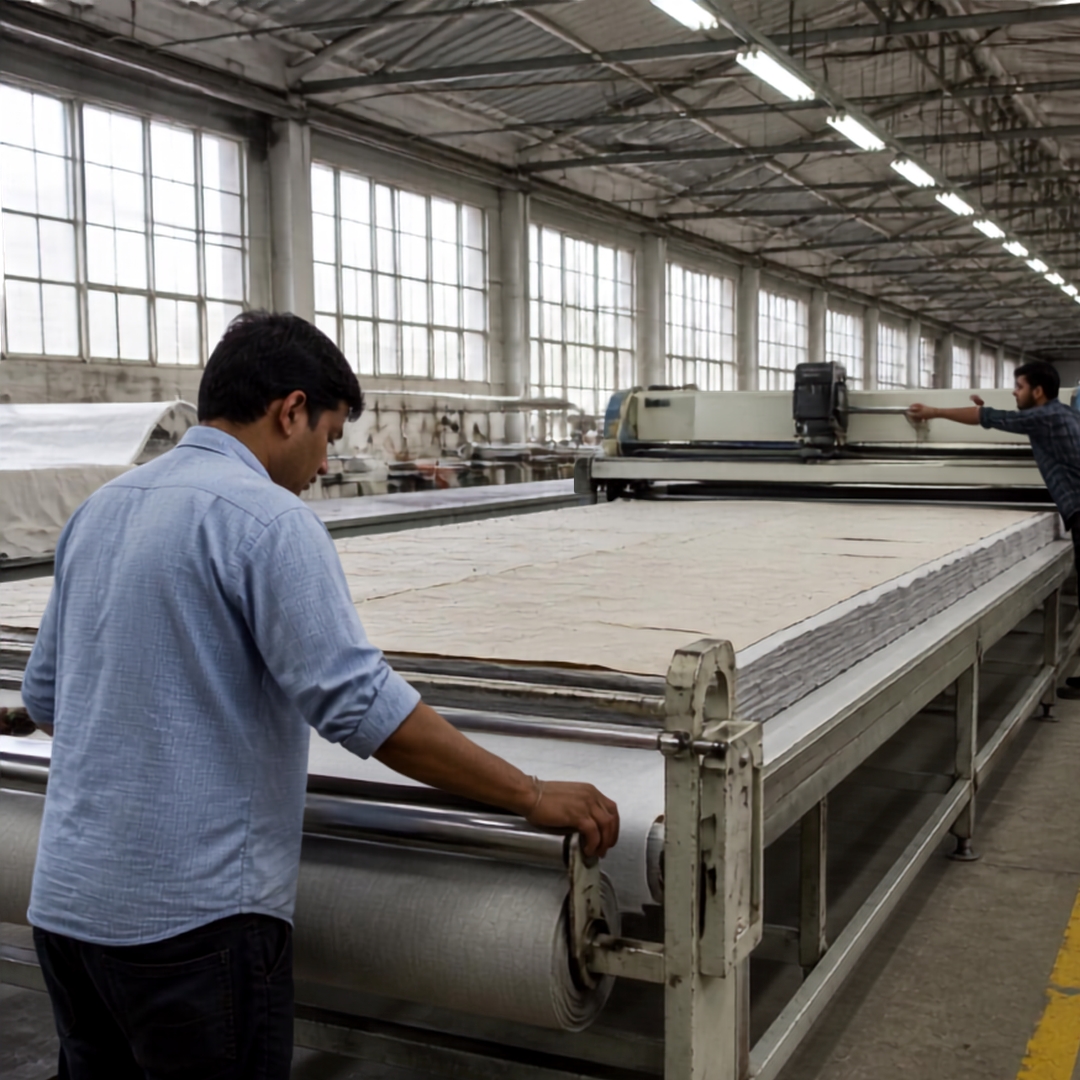
After reading this, a cutting manager or IE can separate marker efficiency from true fabric utilization, price what a point of efficiency is worth on a real order, and work through the five levers length, ply height, width, tilt and splicing that recover the fabric a CAD repo