
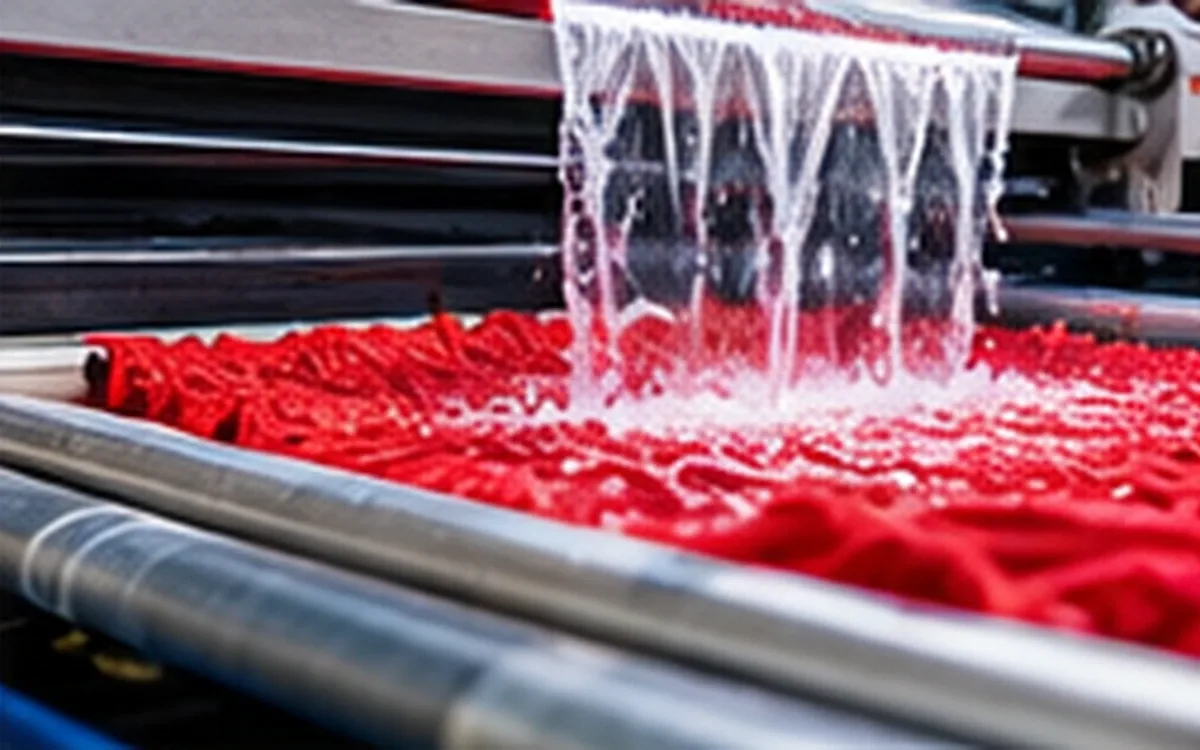
Hydroentangled Nonwovens: Water Jets, Web Support and Fabric Strength
Understand hydroentanglement with worked jet-power, fabric-output and water calculations. Connect web support, strength tests and operating decisions.
Garment Factory Calculators and Guides
Industrial Engineer & Business Process Optimization Executive
Salauddin Ahamed Sagar is an industrial and production engineer in Dhaka, Bangladesh, specializing in ready-made garment manufacturing, ERP systems, and industrial engineering. He leads ERP and process optimization projects at Apex Holdings Ltd. and previously worked in line balancing and industrial engineering at Epyllion Group and Young Group. He holds a BSc in Industrial and Production Engineering from NITER (University of Dhaka) and founded Apparel Diary to share practical engineering methods, calculators, and factory operations guides.
Understand hydroentanglement with worked jet-power, fabric-output and water calculations. Connect web support, strength tests and operating decisions.
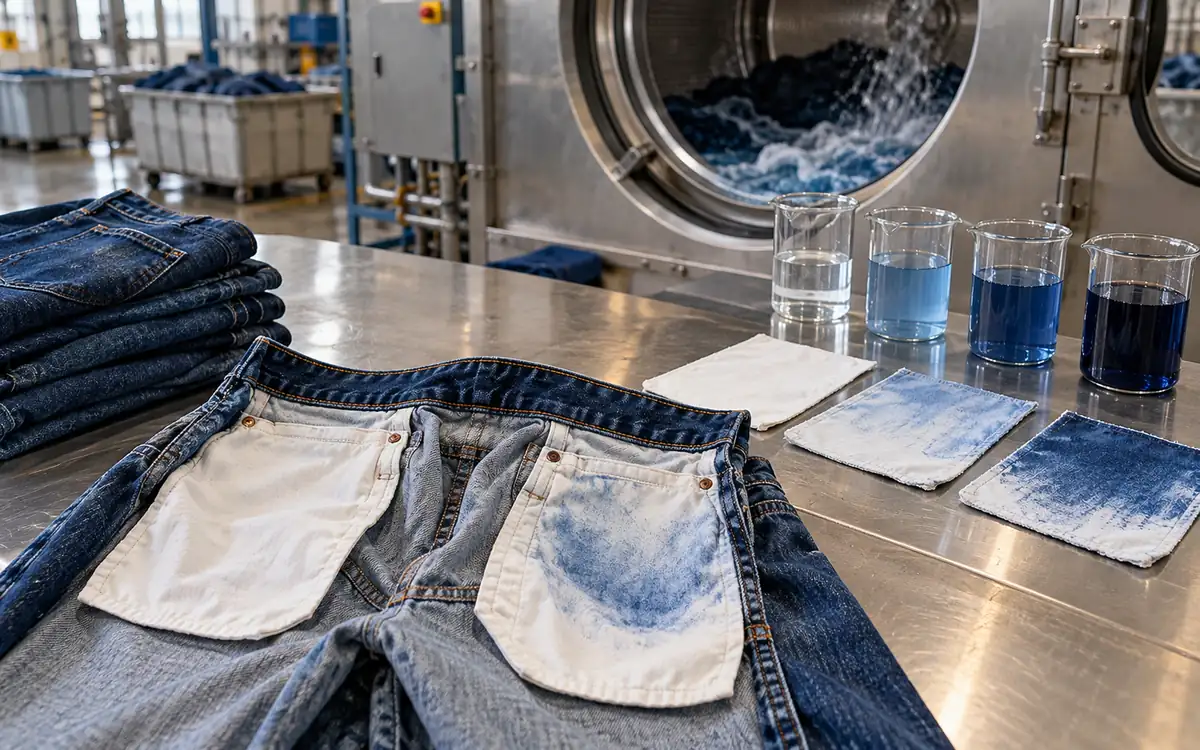
Backstaining can reduce denim contrast and turn pale pockets or labels blue. Adding more washing chemical without finding the cause may waste time and weaken the garment. This guide separates dye release, suspension, carryover and redeposition.

How to combine ABC value classification with XYZ demand-variability analysis to set the right stocking policy for every trims and fabric SKU.
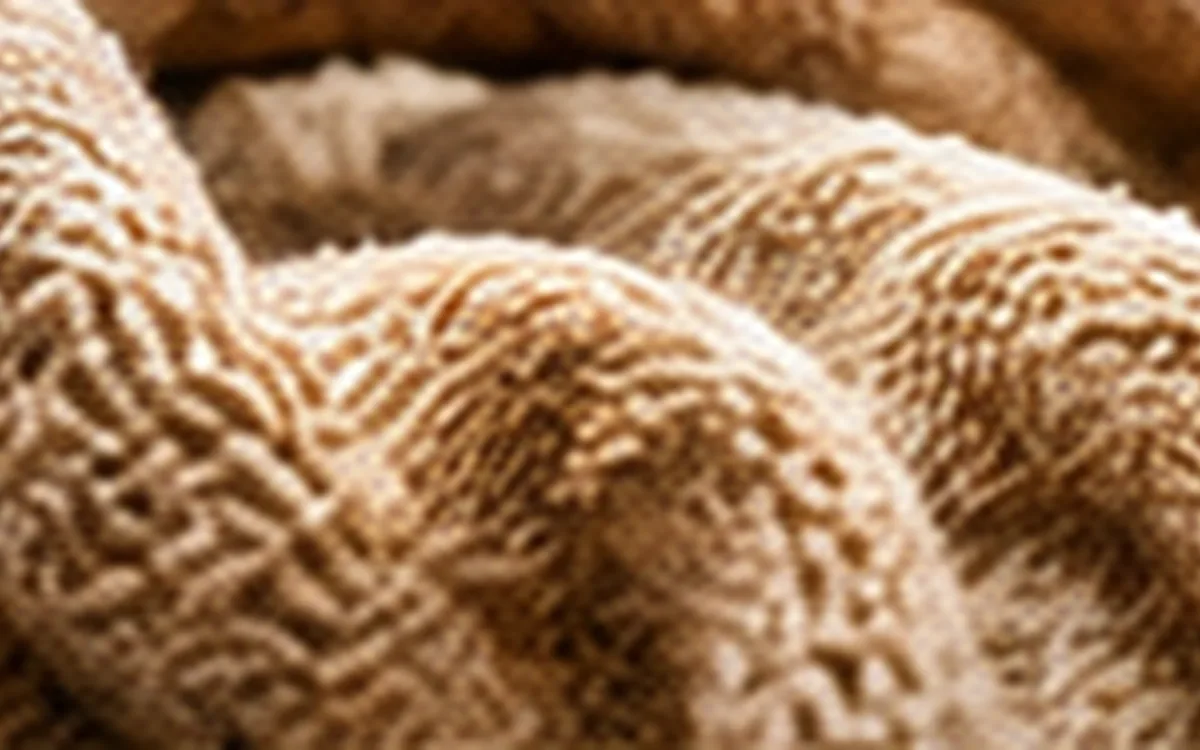
Read jute grades correctly across Bangladesh trade terms and IS 271, then compare strength, root content, sampling, trimming yield and usable lot quality.

Compare bast fibre processing routes, from retting and scutching to cottonisation, with worked yield balances and checks for shive, fibre damage and quality.
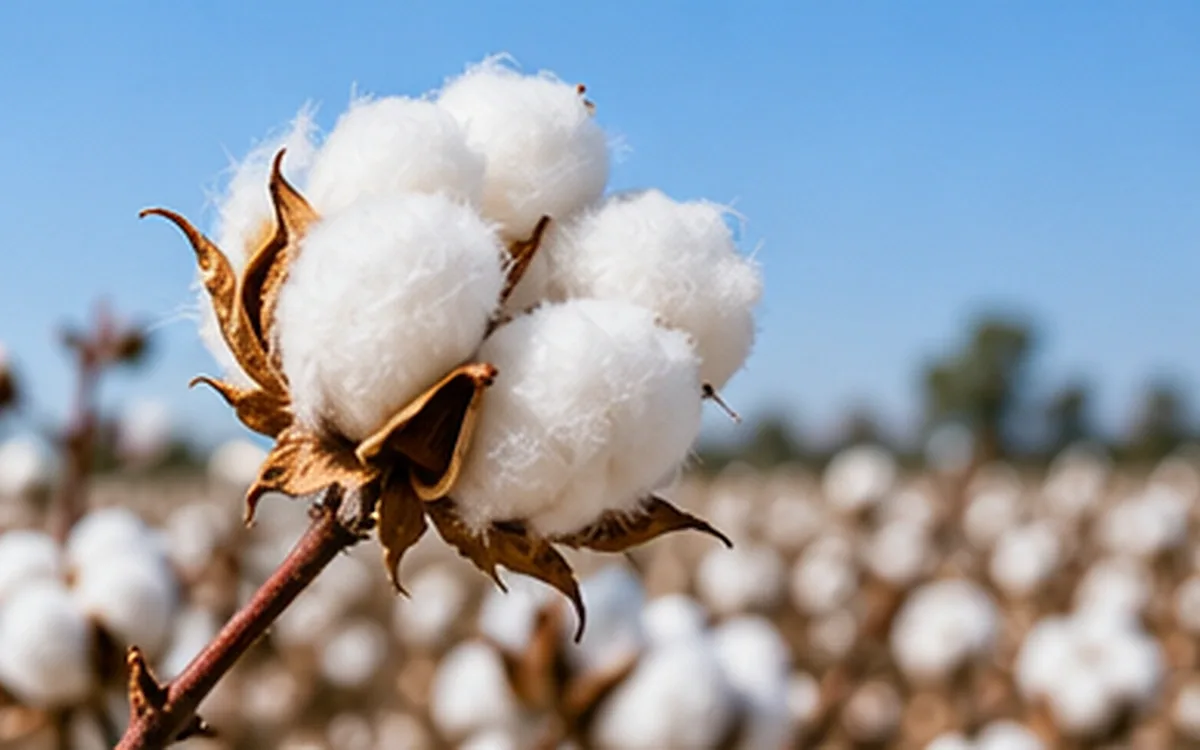
Read an HVI cotton report with confidence: check length, strength, colour and trash, compare bale data, and build a mix for a controlled production trial.
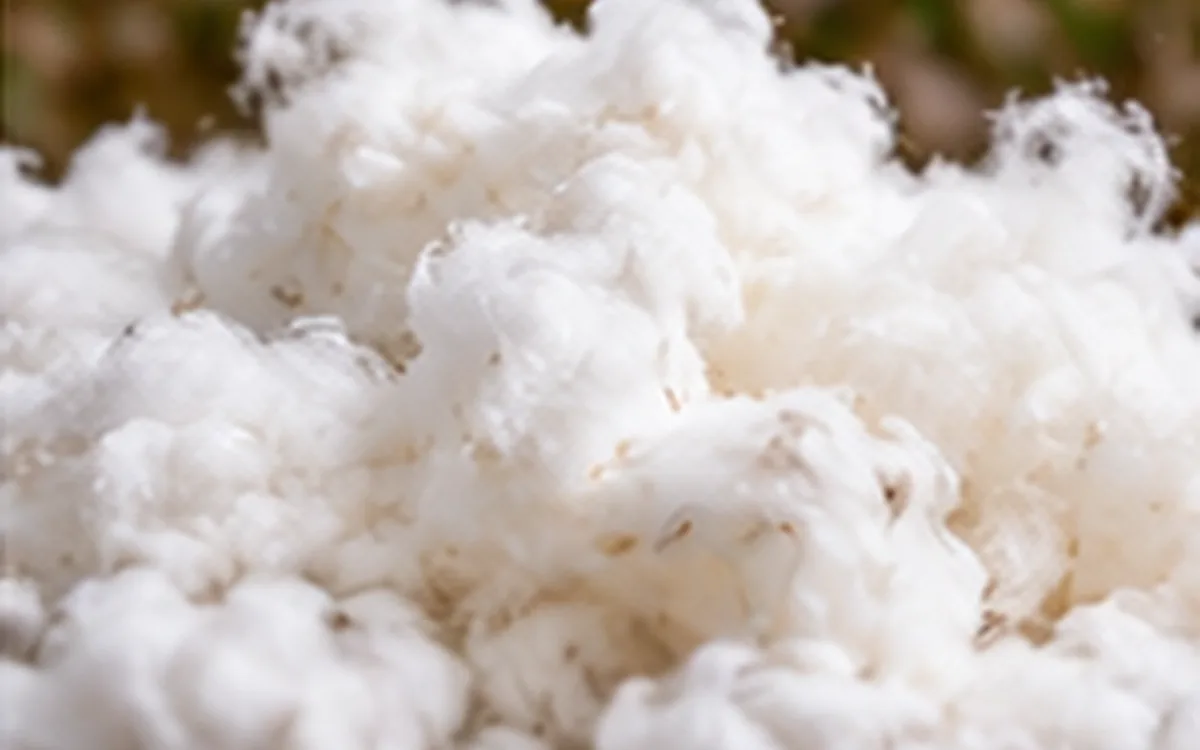
Learn what cotton micronaire measures, why fineness and maturity differ, and how to compare bale reports, test results and mill trials before buying.

Understand the meltblown nonwoven process with worked mass balances and filter calculations. Compare fibre structure, charge, pressure drop and roll quality.
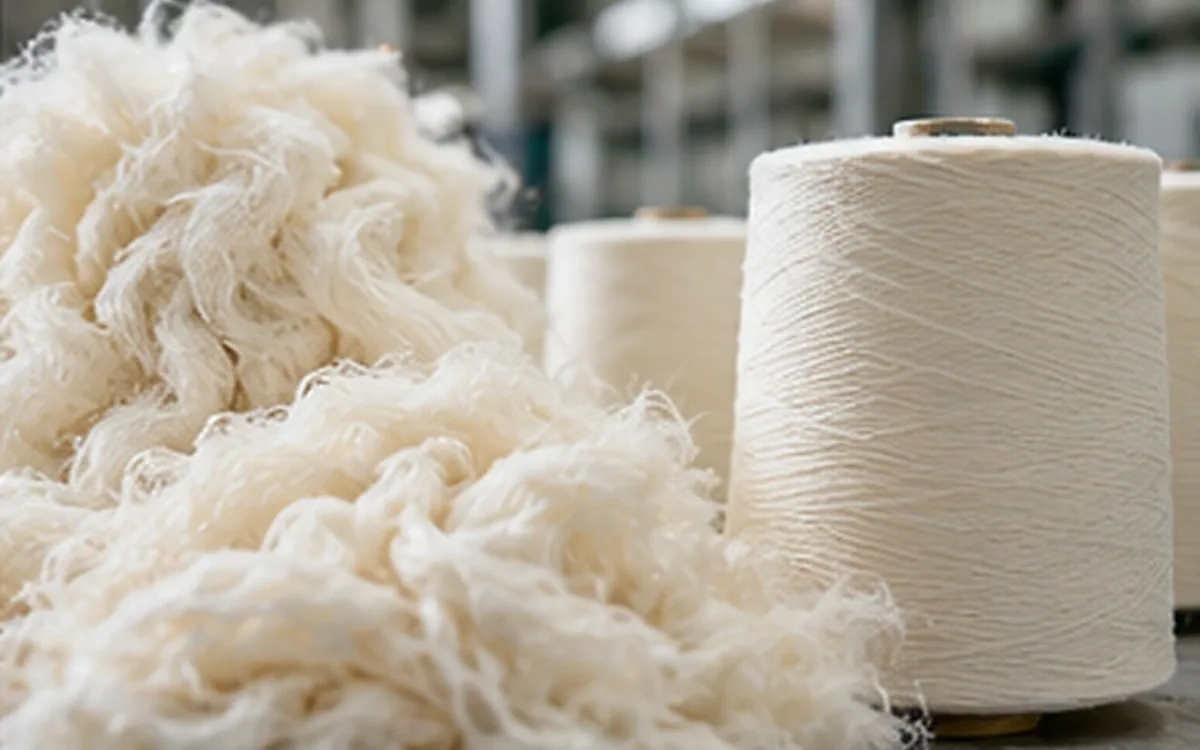
Connect cotton’s cuticle, primary wall, secondary cellulose layers, and lumen maturity to mill problems like uneven scouring, pale dye specks, and tensile loss.