

Textile Plasma Treatment: Test Surface Effects, Ageing and Durability
Assess textile plasma treatment through wetting, ageing, wash durability and retained strength. Use worked trials and energy calculations before approval.
Garment Factory Calculators and Guides
Industrial Engineer & Business Process Optimization Executive
Salauddin Ahamed Sagar is an industrial and production engineer in Dhaka, Bangladesh, specializing in ready-made garment manufacturing, ERP systems, and industrial engineering. He leads ERP and process optimization projects at Apex Holdings Ltd. and previously worked in line balancing and industrial engineering at Epyllion Group and Young Group. He holds a BSc in Industrial and Production Engineering from NITER (University of Dhaka) and founded Apparel Diary to share practical engineering methods, calculators, and factory operations guides.
Assess textile plasma treatment through wetting, ageing, wash durability and retained strength. Use worked trials and energy calculations before approval.
Understand electrospinning through fibre formation, diameter data, layer mass and accepted output. Use worked calculations to assess scale-up and testing.
Assess elastane fibre recovery with clear stretch, growth and force calculations, plus practical guidance on cyclic tests, heat exposure and fabric trials.
Understand the airlaid nonwoven process with worked mass balances, width profiles and layer calculations. Select bonding routes and tests for the intended use.
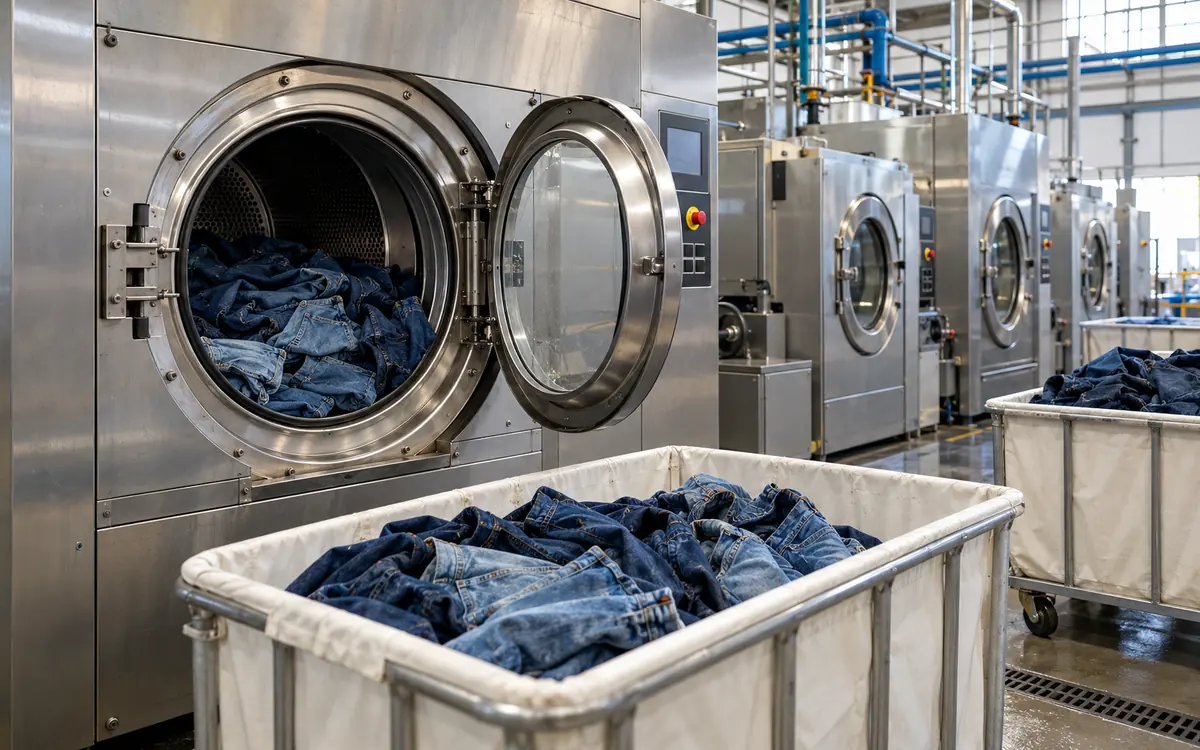
A washing machine’s rated kilograms do not tell a factory how many acceptable garments it can finish. This guide connects drum volume, garment movement, extraction, retained water and dryer loading.
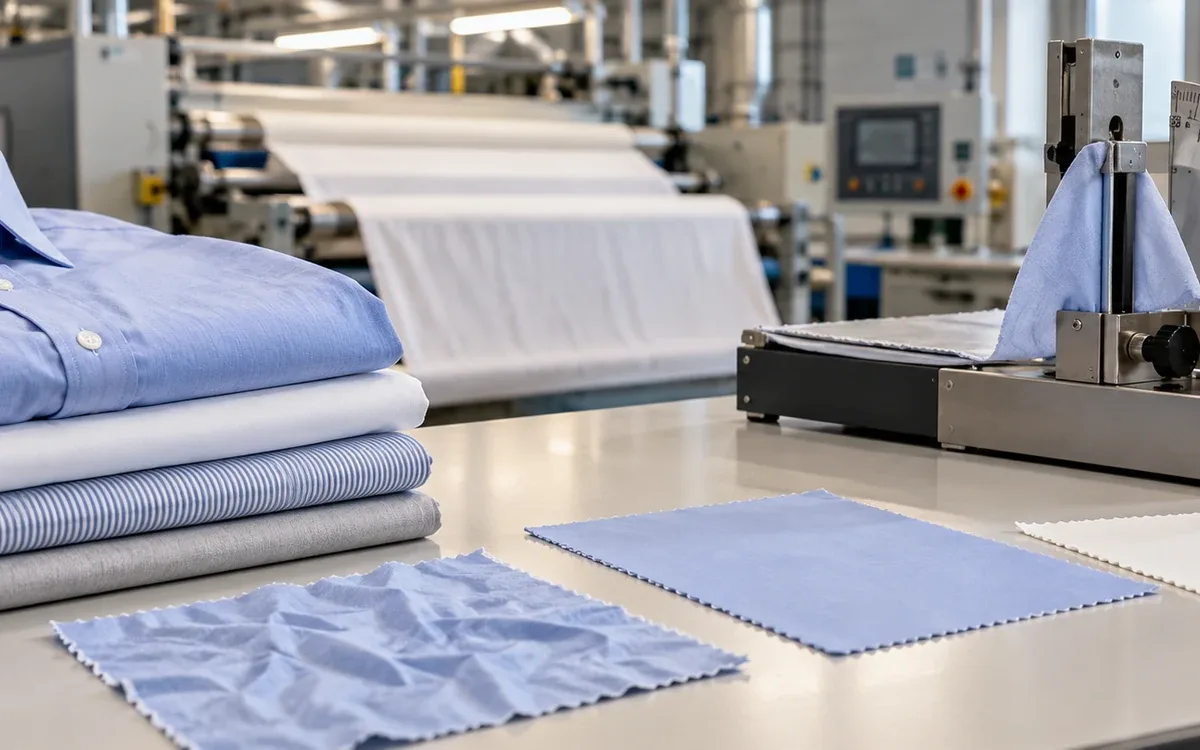
Develop wrinkle resistant cotton finishes with clear checks for cure exposure, smoothness, strength, tear resistance, care durability, and formaldehyde results.
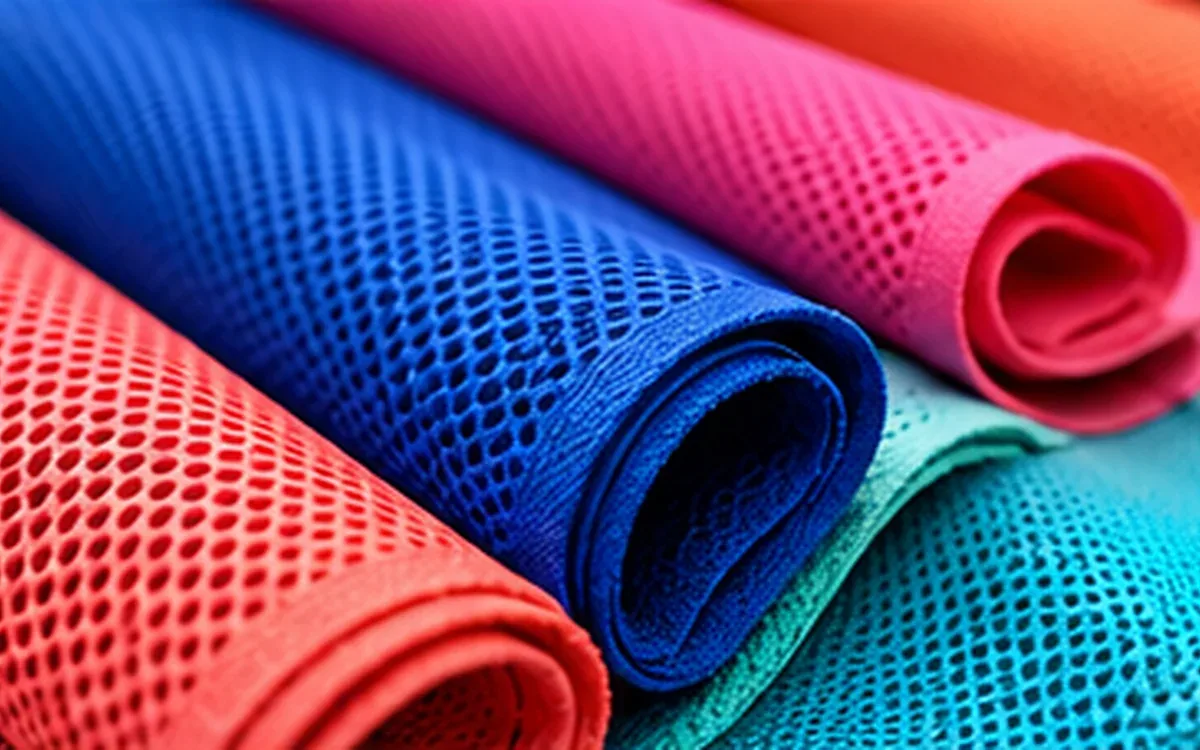
Verify microfibre claims from filament linear density, bicomponent splitting evidence, blend ratios, and standardized absorption tests rather than supplier labels alone.
Understand lyocell fibrillation, separate it from fuzz and pills, and design mill trials that compare surface appearance, mass loss and retained strength.
Follow viscose rayon production from dissolving pulp and xanthation through wet spinning, linking process parameters to fibre denier, dry yield, and chemical recovery.