

Break-Even Analysis for Garment Factories with a Changing Sales Mix
Compute multi-style garment factory break-even volume across shifting style mixes, constrained sewing minutes, step-fixed overhead, and cash requirements.
Garment Factory Calculators and Guides
Industrial Engineer & Business Process Optimization Executive
Salauddin Ahamed Sagar is an industrial and production engineer in Dhaka, Bangladesh, specializing in ready-made garment manufacturing, ERP systems, and industrial engineering. He leads ERP and process optimization projects at Apex Holdings Ltd. and previously worked in line balancing and industrial engineering at Epyllion Group and Young Group. He holds a BSc in Industrial and Production Engineering from NITER (University of Dhaka) and founded Apparel Diary to share practical engineering methods, calculators, and factory operations guides.
Compute multi-style garment factory break-even volume across shifting style mixes, constrained sewing minutes, step-fixed overhead, and cash requirements.

Tighten fabric and trim issue slips, excess-requisition approvals, and store returns so order consumption reconciles cleanly against stock ledgers.

Count fabric and trims with clear units, blind checks and transaction cut-offs. Resolve location errors, returns and true stock differences before adjusting.
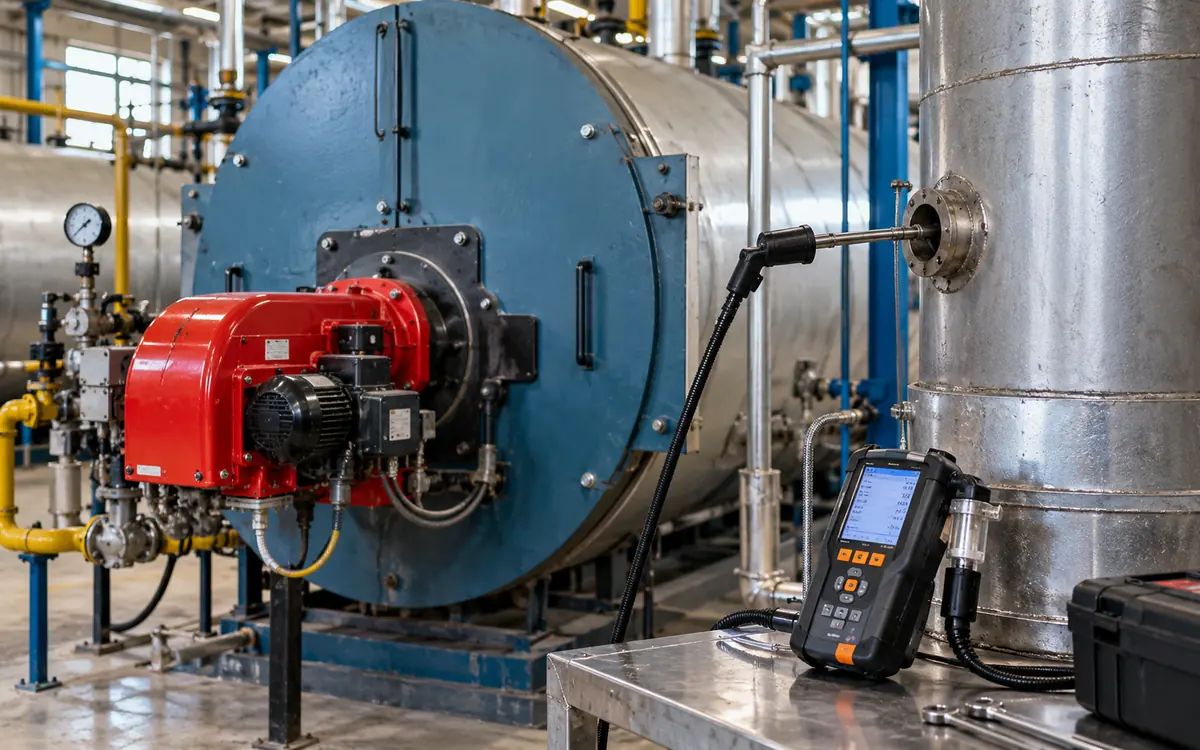
Interpret flue-gas oxygen, excess air, stack temperature, and HHV versus LHV efficiency during textile mill boiler audits to quantify real fuel savings.

Explain quoted versus production SMV with a checked variance bridge. Separate method changes, actual labour time, pay rates and order forecasts clearly.

Factory peak demand depends on when loads overlap and how the utility measures them. This guide turns interval meter records into a practical demand plan. It explains data checks, fixed and rolling windows, load factor, schedule trials, tariff floors, and rebound risks.

Reduce garment style changeover time with a measured trial. Separate preparation, safe setup, first-piece approval, steady output and total labour used.
Calculate sewing and specialty machine requirements across shifting style mixes, machine compatibility groups, and multi-shift rosters before booking orders.
Understand air-jet yarn structure, model-specific fibre choices and blend loss. Plan fair trials that compare measured count, yarn strength and finished fabric.