

Record Nonproductive Time Without Counting the Same Lost Minute Twice
Calculate garment factory nonproductive time from event logs. Check overlaps, breaks, operator minutes and cause allocation without counting losses twice.
Garment Factory Calculators and Guides
Industrial Engineer & Business Process Optimization Executive
Salauddin Ahamed Sagar is an industrial and production engineer in Dhaka, Bangladesh, specializing in ready-made garment manufacturing, ERP systems, and industrial engineering. He leads ERP and process optimization projects at Apex Holdings Ltd. and previously worked in line balancing and industrial engineering at Epyllion Group and Young Group. He holds a BSc in Industrial and Production Engineering from NITER (University of Dhaka) and founded Apparel Diary to share practical engineering methods, calculators, and factory operations guides.
Calculate garment factory nonproductive time from event logs. Check overlaps, breaks, operator minutes and cause allocation without counting losses twice.

Calculate garment first-pass and rolled throughput yield with linked stage records. Separate repairs, final acceptance, department rates and repeat visits.

Calculate fabric crimp percentage and yarn take-up with clear examples. Check tension, sampling and yarn use without confusing crimp with fabric shrinkage.

Water repellency tests answer different questions about surface wetting, absorbed water, and penetration. This guide compares spray, impact, rain, and Bundesmann methods, with worked calculations and examples of fabric approval decisions.

Optical brighteners change fabric appearance by adding visible light through fluorescence. This guide connects product selection and concentration trials with reliable whiteness measurement.
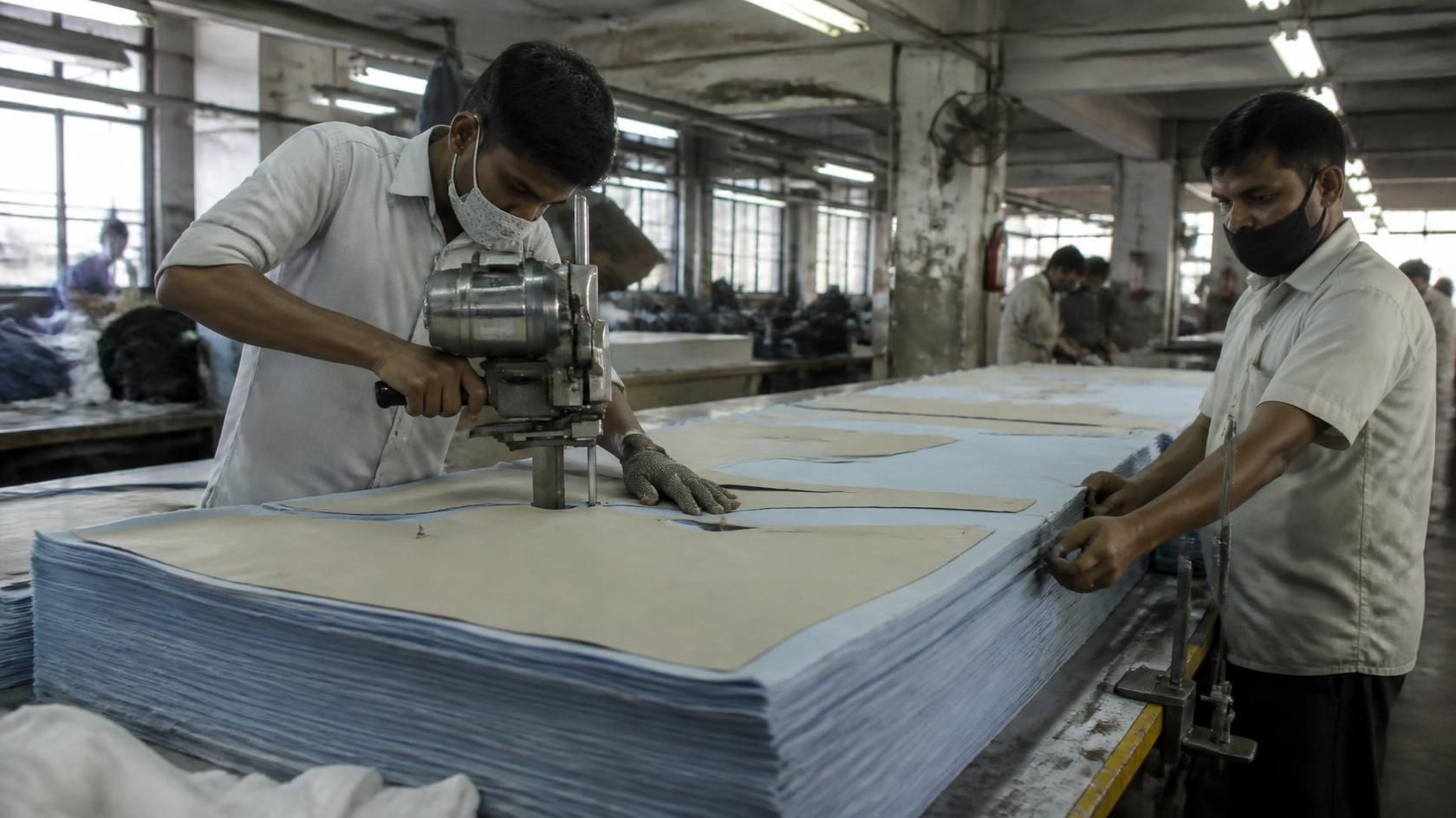
A cutting room manager or IE will be able to place a control point on every stage from marker receipt to issue, and trace a shade-variation or short-bundle rejection back to the shift and lay that caused it.

Compare woven selvedge types by edge security, usable width and yarn use. Work through leno, tucked and fused choices with clear trials and waste calculations.
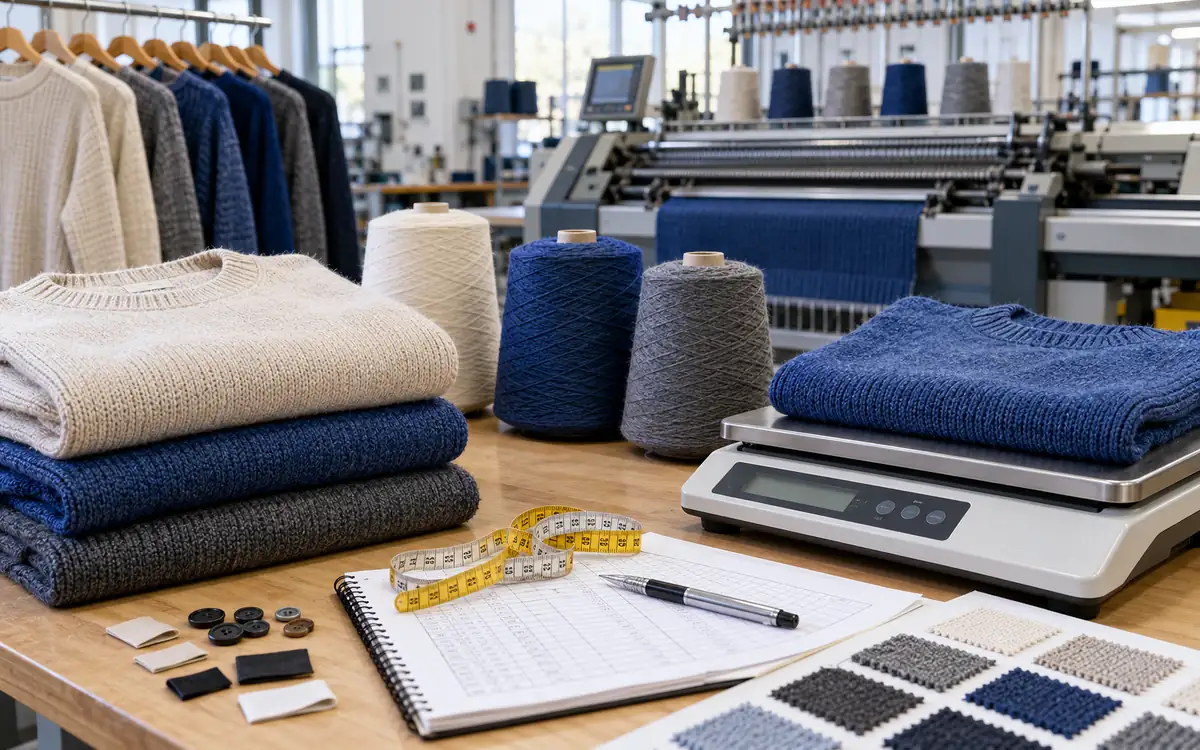
A sweater's sample weight is a starting point for yarn planning, but it is not the quantity to purchase. Trims, size mix, colour shares, moisture, technical yarns and production losses can all change the result.
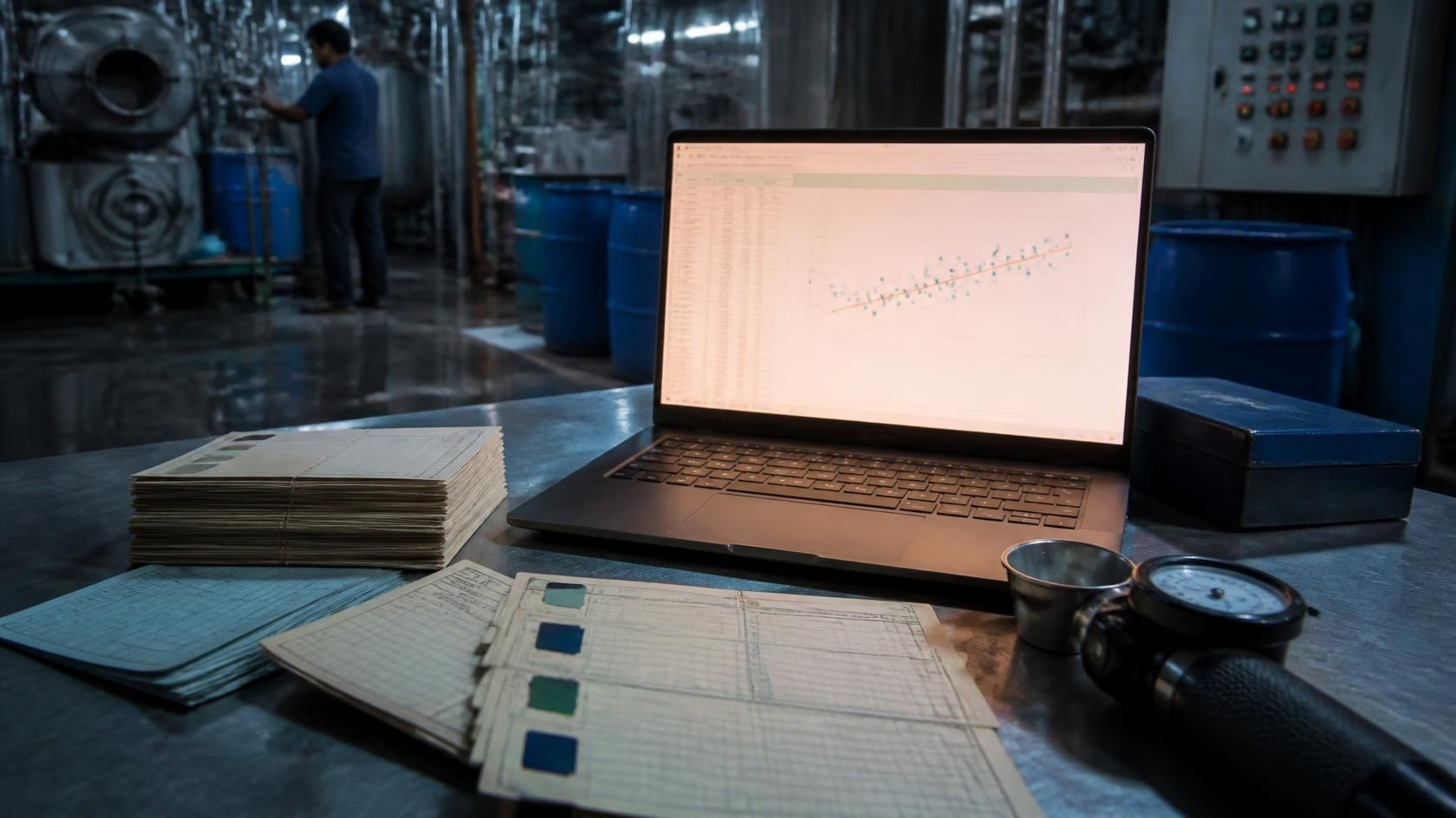
To be able to build a multiple regression model from your own batch records that predicts a dyeing recipe's chemical cost before the batch runs, and know which two or three variables actually drive that cost.