

Patagonia Worn Wear: How Repair, Trade-In and Resale Work Together
Explore Patagonia Worn Wear’s repair, trade-in and resale model, including current US processes, service tradeoffs and a worked resale economics example.
Garment Factory Calculators and Guides
Industrial Engineer & Business Process Optimization Executive
Salauddin Ahamed Sagar is an industrial and production engineer in Dhaka, Bangladesh, specializing in ready-made garment manufacturing, ERP systems, and industrial engineering. He leads ERP and process optimization projects at Apex Holdings Ltd. and previously worked in line balancing and industrial engineering at Epyllion Group and Young Group. He holds a BSc in Industrial and Production Engineering from NITER (University of Dhaka) and founded Apparel Diary to share practical engineering methods, calculators, and factory operations guides.
Explore Patagonia Worn Wear’s repair, trade-in and resale model, including current US processes, service tradeoffs and a worked resale economics example.

Read H&M supplier disclosures with care. Understand factory records, supply chain tiers, coverage figures, reporting dates and the limits of public data.
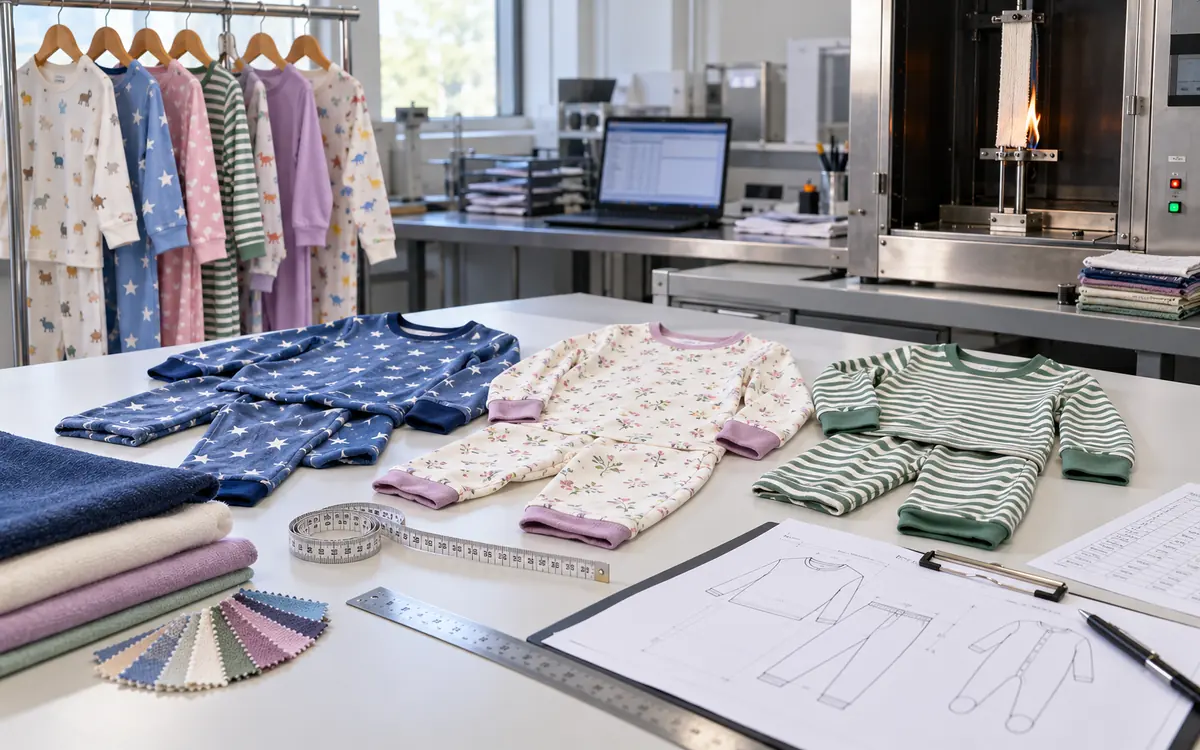
Plan US children's sleepwear compliance with clear product routes, fit measurements, test review, labels, traceability and current certificate guidance.

GMROI connects gross profit with the average cost of inventory held to earn it. This guide develops a thirteen-week apparel example, compares stock averaging methods, and reconciles margin and turnover definitions.

Seasonal clearance needs a dated stock exit and a credible sales plan. This guide compares three routes for six hundred garments, reconciles their units and net recovery, and shows how a weaker bulk price changes the decision.

Open-to-buy controls how much stock a retailer can still commit for a receipt period. This guide derives the retail stock formula and follows an original tops department through opening plans, partial receipts, new orders, delivery delays and a weaker sales forecast.
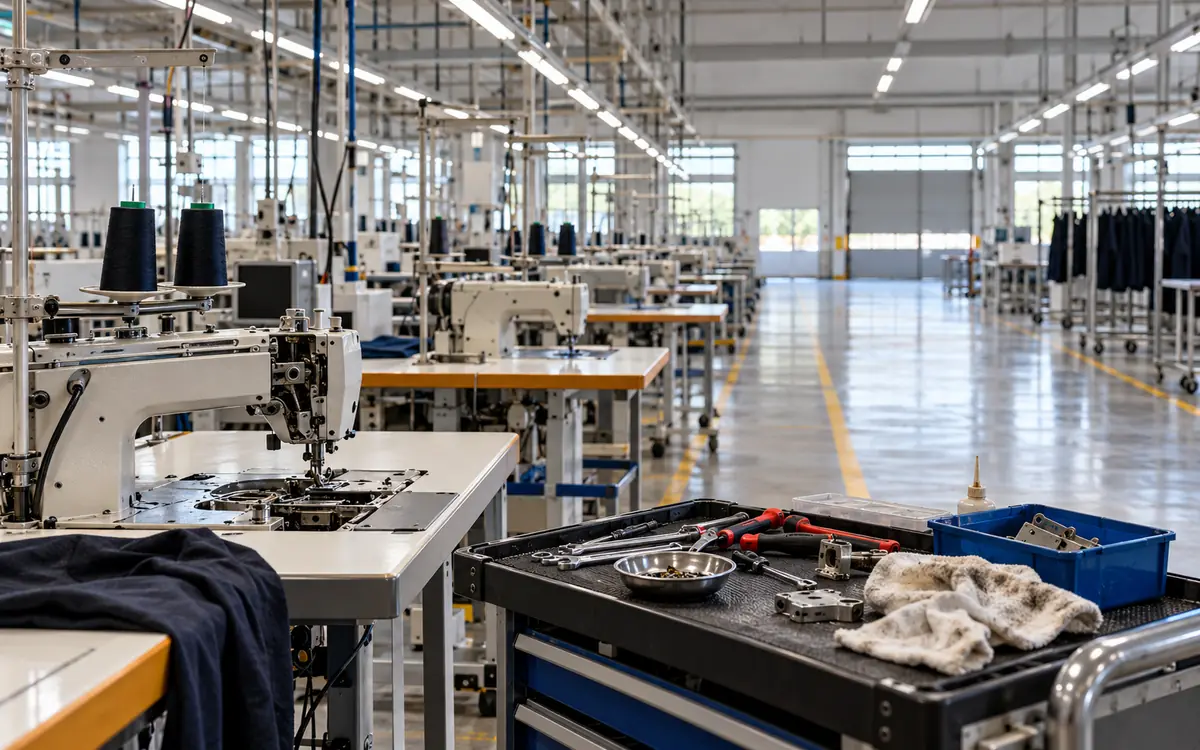
A short maintenance shutdown forces a choice among useful optional jobs. This original six-job example shows how a binary knapsack model finds the best feasible combination and why simple rankings can fail.

Choose which distribution depots to open by combining fixed costs, route costs and site capacity. This guide develops an original three-depot example, proves its optimum by comparing every opening pattern and tests a rule against split deliveries.

A busy transfer link is not always the best place to add capacity. This guide builds a factory tote network, proves its maximum flow with two minimum cuts, and verifies upgrade scenarios through independent methods.