
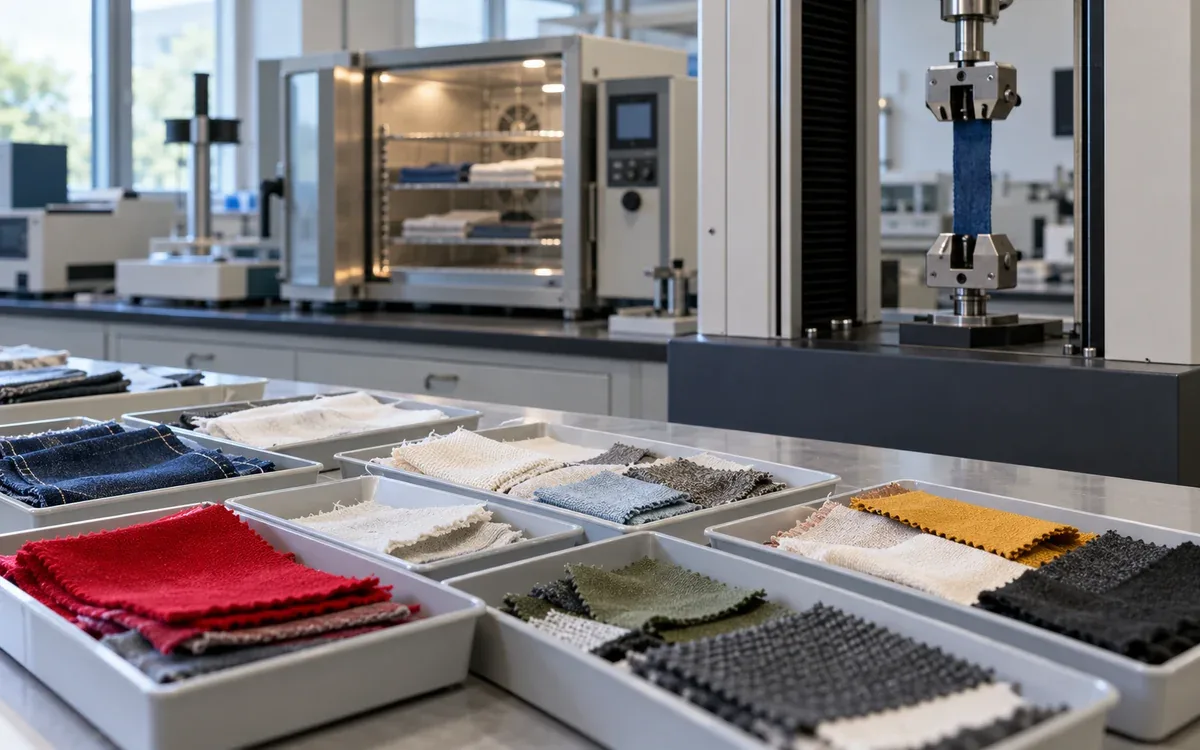
Priority Queues for Urgent Textile Lab Tests: Worked Example
An urgent label can change a waiting list without interrupting a test already running. This guide develops a two-class priority queue for a shared textile test resource.
Garment Factory Calculators and Guides
Industrial Engineer & Business Process Optimization Executive
Salauddin Ahamed Sagar is an industrial and production engineer in Dhaka, Bangladesh, specializing in ready-made garment manufacturing, ERP systems, and industrial engineering. He leads ERP and process optimization projects at Apex Holdings Ltd. and previously worked in line balancing and industrial engineering at Epyllion Group and Young Group. He holds a BSc in Industrial and Production Engineering from NITER (University of Dhaka) and founded Apparel Diary to share practical engineering methods, calculators, and factory operations guides.
An urgent label can change a waiting list without interrupting a test already running. This guide develops a two-class priority queue for a shared textile test resource.
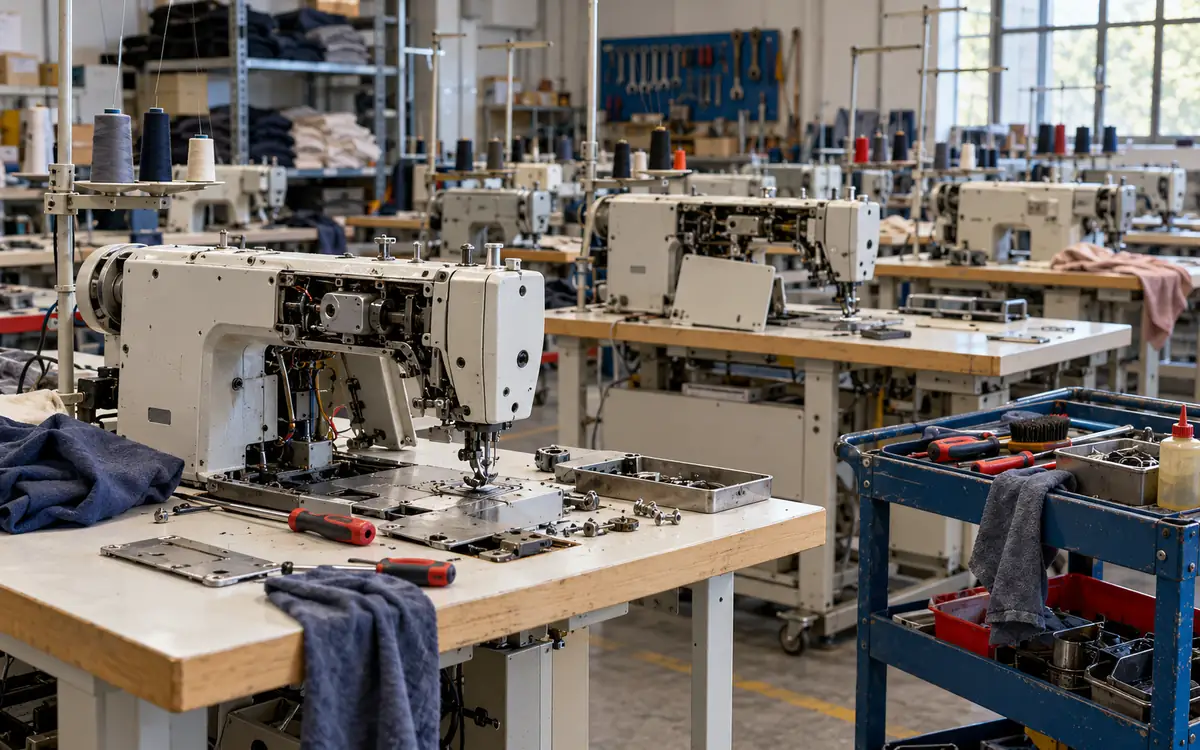
A stopped machine cannot generate another operating failure while it waits for repair. This guide builds a finite source queue around that fact. An eight-machine example compares repair staffing, waiting time, availability and stated hourly costs.

Learn how UNIQLO LifeWear connects fabric technology, Toray’s expertise and customer feedback, with practical ways to assess product claims and value.

Zara’s business model links customer feedback, changing assortments and stock decisions. Explore quick response, sourcing tradeoffs and allocation, with a hypothetical jacket example that shows when a later order helps and when its extra cost outweighs the benefit.
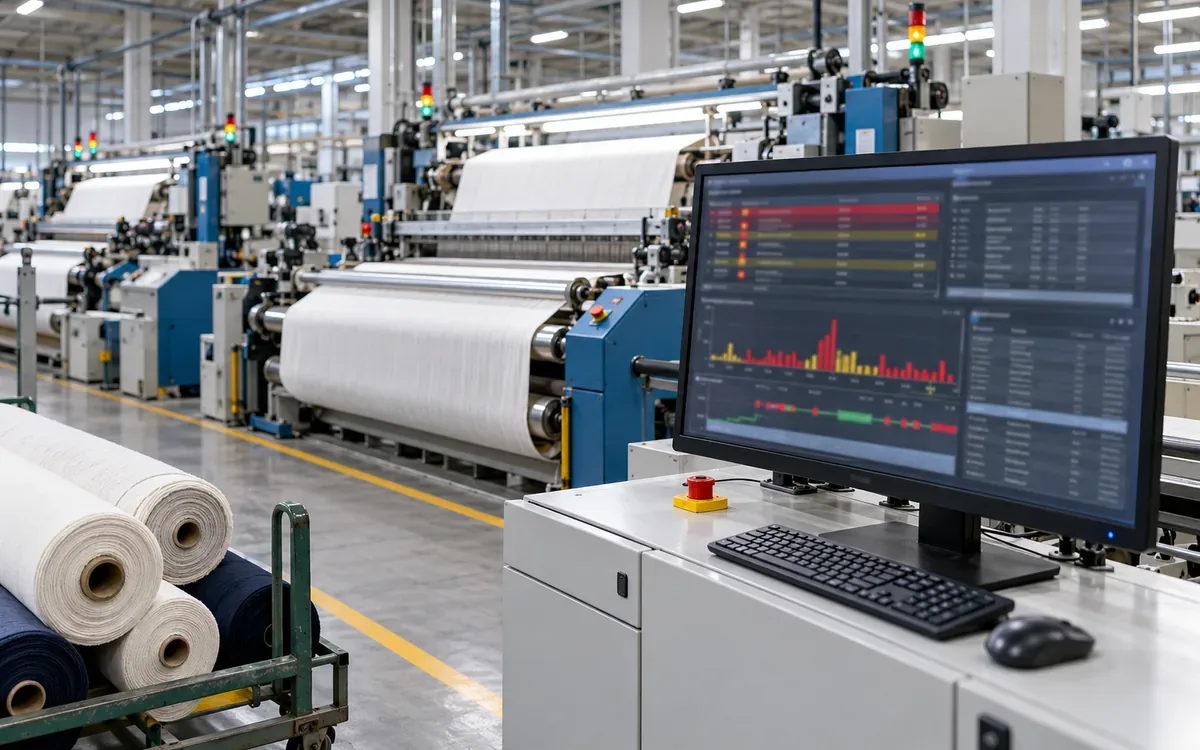
Build a textile machine alarm dashboard with clear event identities, flood windows, standing-alarm ages and verified stop links that avoid false downtime.
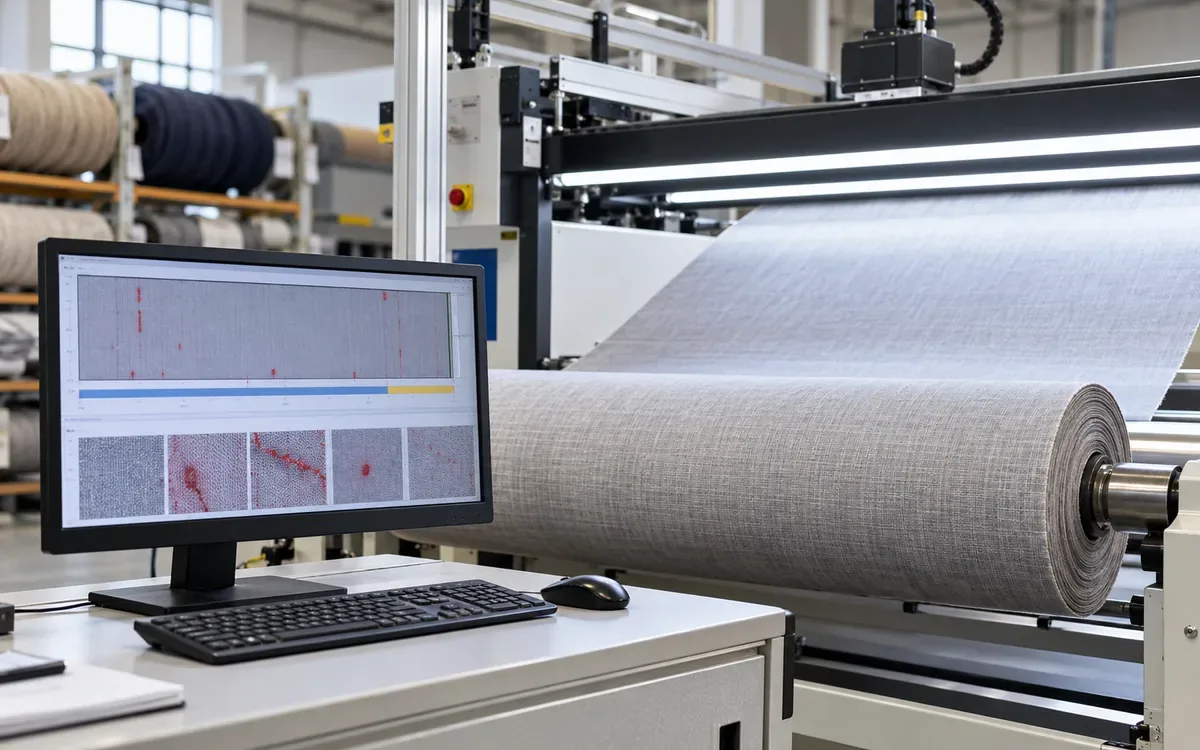
Build a fabric inspection dashboard with roll defect maps, clear coordinates, coverage checks and overlap calculations for reliable cutting handovers.
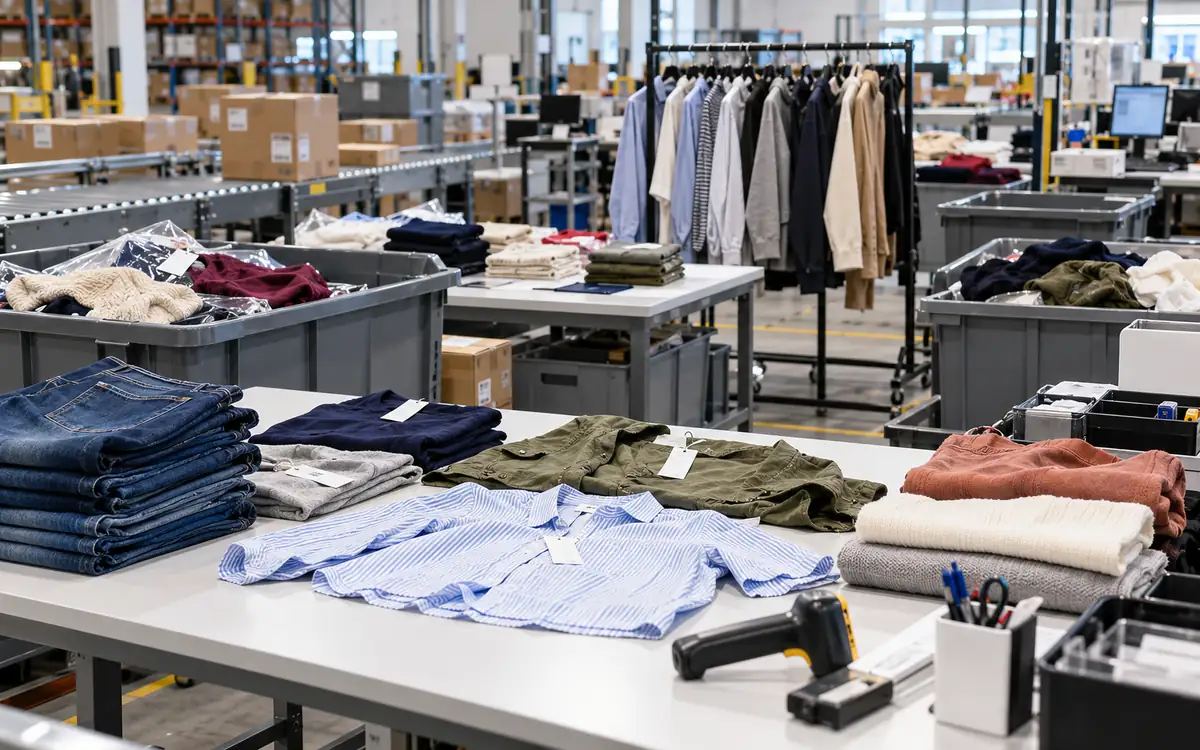
A returned garment, a completed refund and a fulfilled exchange are different events. This guide shows how to connect them without releasing uninspected stock or counting a unit twice.

A free dock door does not prove a warehouse can handle another load. This guide builds a four-load apparel receiving plan and tests its shared crew, break and staging limits.

A warehouse transfer can be partly shipped, partly received and partly held without being complete. This guide follows an original two-shipment apparel case through those states, then reconciles late arrivals, a return and a supported loss.