
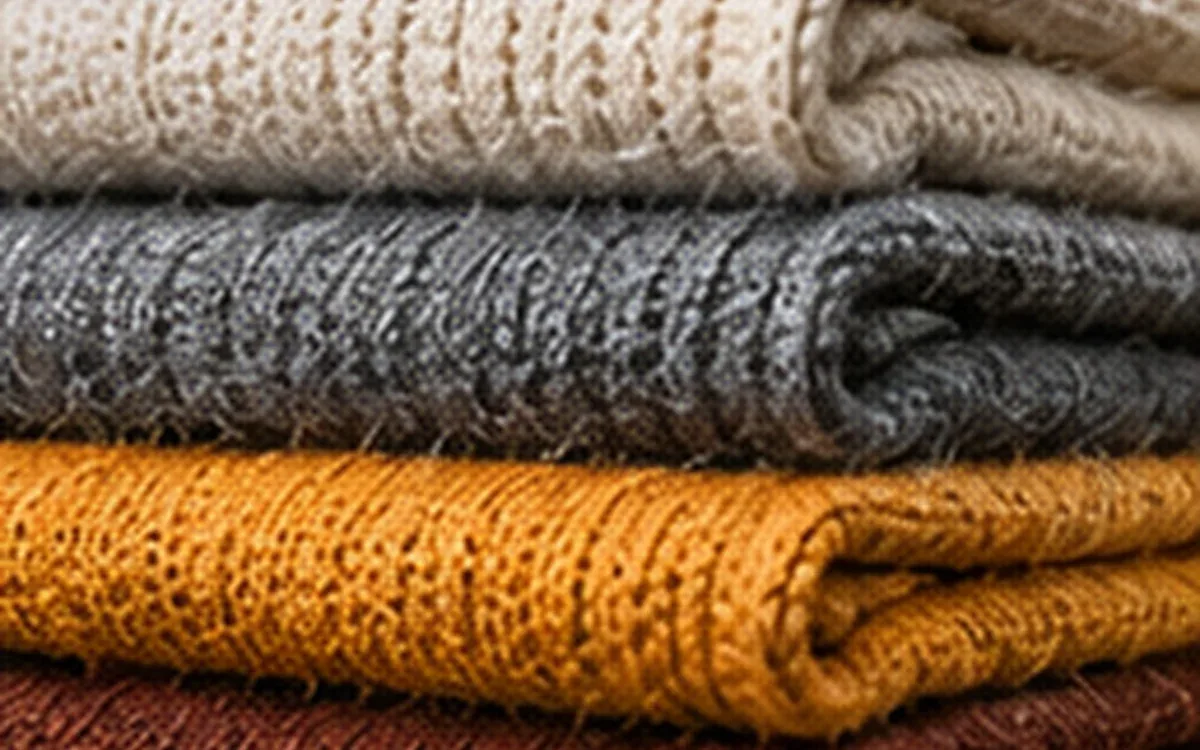
Sweater Garment Assembly: Control Panel Identity, Linking and Final Shape
Control the sweater manufacturing process from panel sets to linking and finishing. Use worked counts, seam checks and measurements to verify the final garment.
Garment Factory Calculators and Guides
Industrial Engineer & Business Process Optimization Executive
Salauddin Ahamed Sagar is an industrial and production engineer in Dhaka, Bangladesh, specializing in ready-made garment manufacturing, ERP systems, and industrial engineering. He leads ERP and process optimization projects at Apex Holdings Ltd. and previously worked in line balancing and industrial engineering at Epyllion Group and Young Group. He holds a BSc in Industrial and Production Engineering from NITER (University of Dhaka) and founded Apparel Diary to share practical engineering methods, calculators, and factory operations guides.
Control the sweater manufacturing process from panel sets to linking and finishing. Use worked counts, seam checks and measurements to verify the final garment.

Plan polo shirt construction from placket and collar to checks. Use worked dimensions, seam choices and care trials to control fit, balance and appearance.

Learn sewing machine parts and functions by tracing the thread and fabric paths. Identify controls, verify the approved setup and write a useful handover.
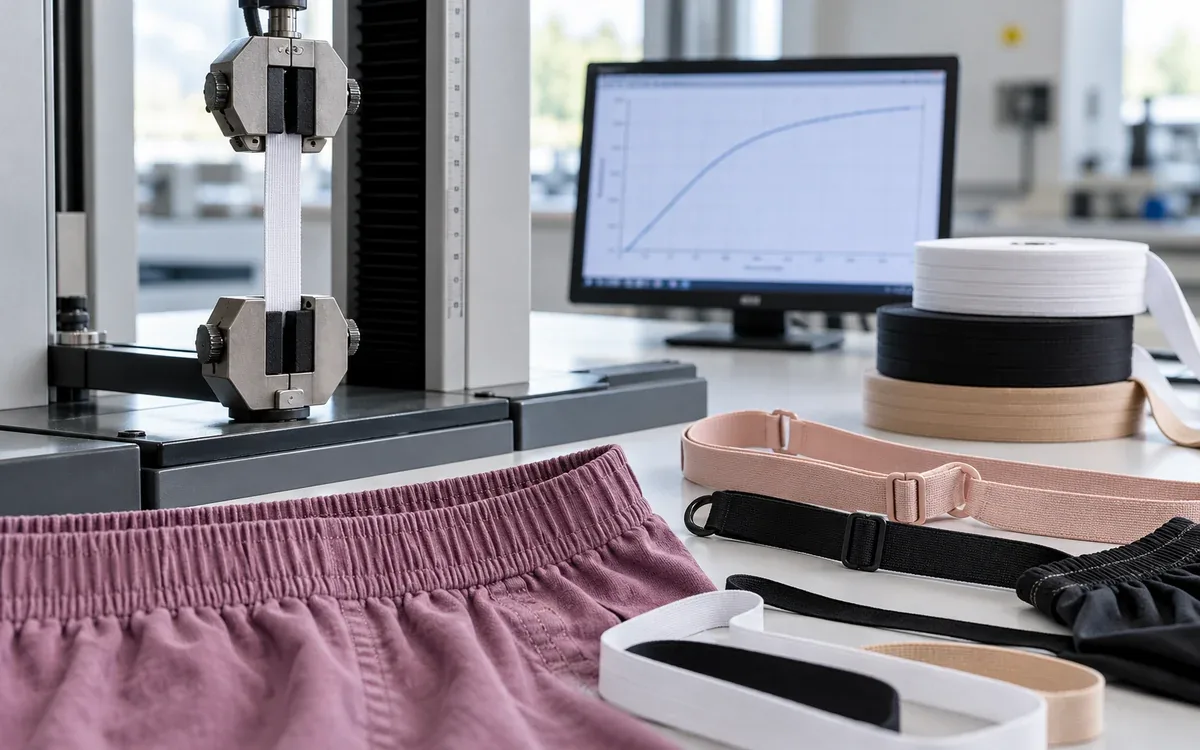
Narrow elastic must work as a waistband, strap, or finished edge, not just pass a loose-strip test. This guide connects suitable elastic test methods with garment opening, cut length, joining, casing, and hardware checks.

Choose industrial sewing machine types from the approved operation. Compare stitches, beds, gauges and controls, then verify the full setup on a sewn sample.

Calculate steam pipe insulation heat loss, compare thickness options and rank textile mill repairs using real duty hours, access costs and clear field checks.
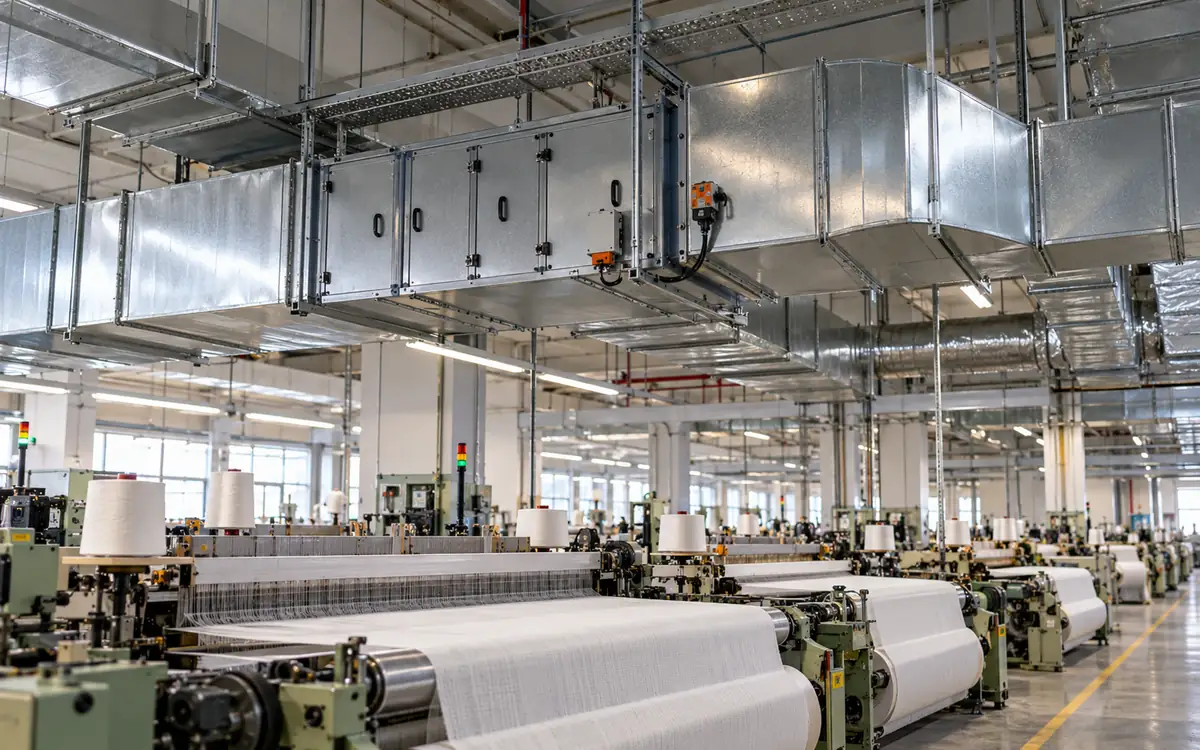
Audit textile plant air-handling units, return dampers, and relative humidity zones to protect yarn moisture regain and operator comfort without wasted fan power.

Compare sewing machine feed mechanisms with a two-ply trial. Measure end mismatch, stitch pitch and seam length, then check the setup on the actual garment.
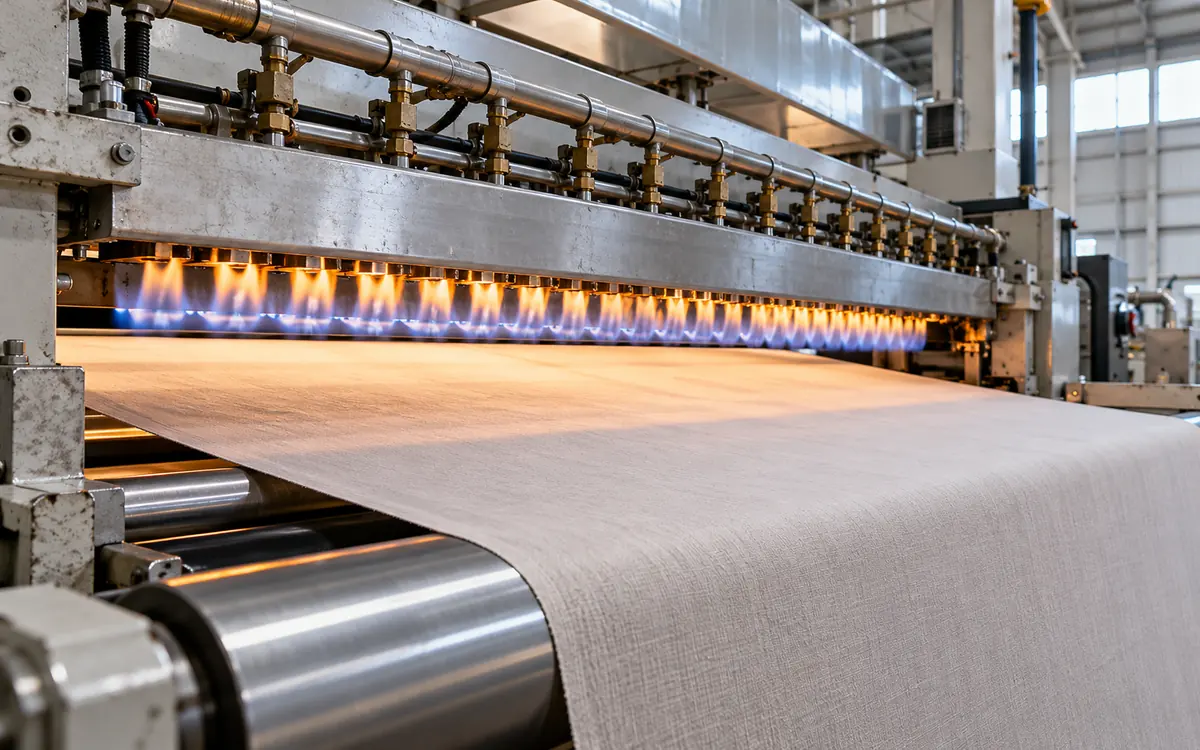
Control the fabric singeing process with face maps, safe machine limits, surface and strength checks, fault patterns, and gas use per accepted fabric area.