
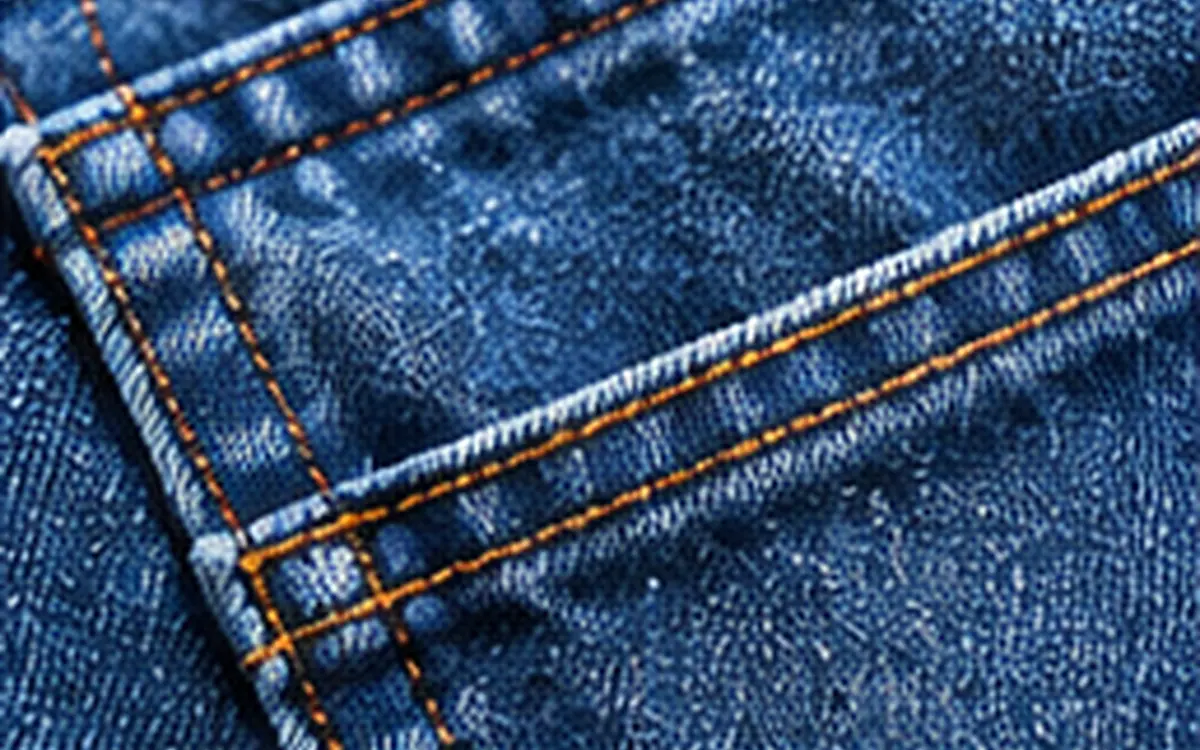
Improve Garment Seam Strength Without Creating a New Failure
Improve garment seam strength with checks for failure mode, test method, fabric damage and stretch. Work through force, efficiency and recovery examples.
Garment Factory Calculators and Guides
Industrial Engineer & Business Process Optimization Executive
Salauddin Ahamed Sagar is an industrial and production engineer in Dhaka, Bangladesh, specializing in ready-made garment manufacturing, ERP systems, and industrial engineering. He leads ERP and process optimization projects at Apex Holdings Ltd. and previously worked in line balancing and industrial engineering at Epyllion Group and Young Group. He holds a BSc in Industrial and Production Engineering from NITER (University of Dhaka) and founded Apparel Diary to share practical engineering methods, calculators, and factory operations guides.
Improve garment seam strength with checks for failure mode, test method, fabric damage and stretch. Work through force, efficiency and recovery examples.
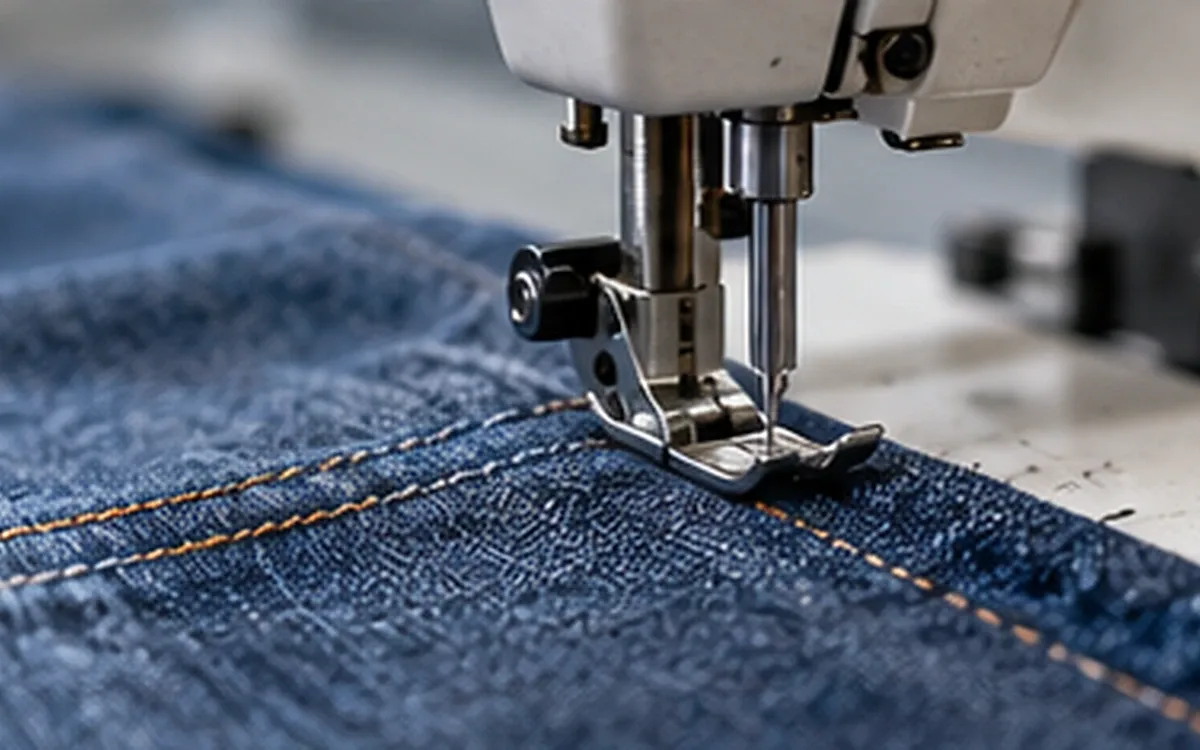
Isolate structural jamming, differential ply feeding, thread tension shrinkage, and wash puckering using targeted stitch-cut diagnostics before re-tuning machines.
Plan a fabric sewability assessment for garment seams. Allocate samples, match test methods and use worked counts to expose missing results before approval.
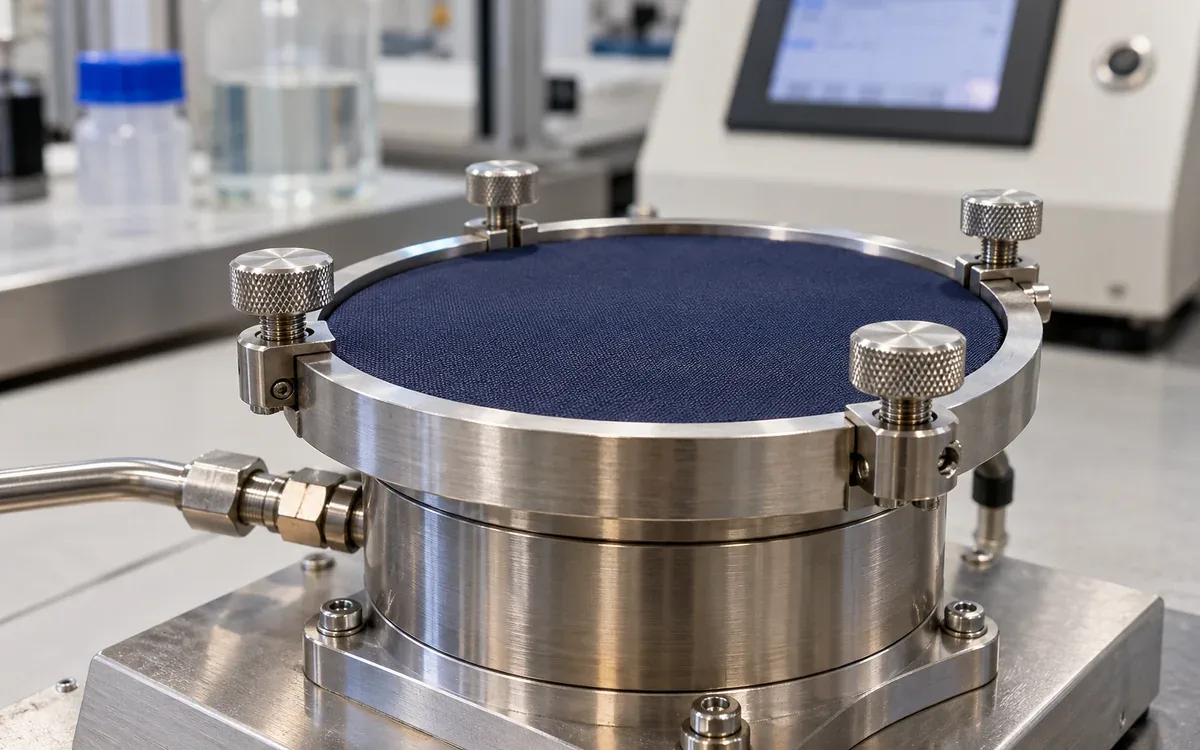
Interpret hydrostatic pressure tests for apparel fabrics. Convert water column units, control ramp rates and leakage endpoints, and compare supplier evidence.
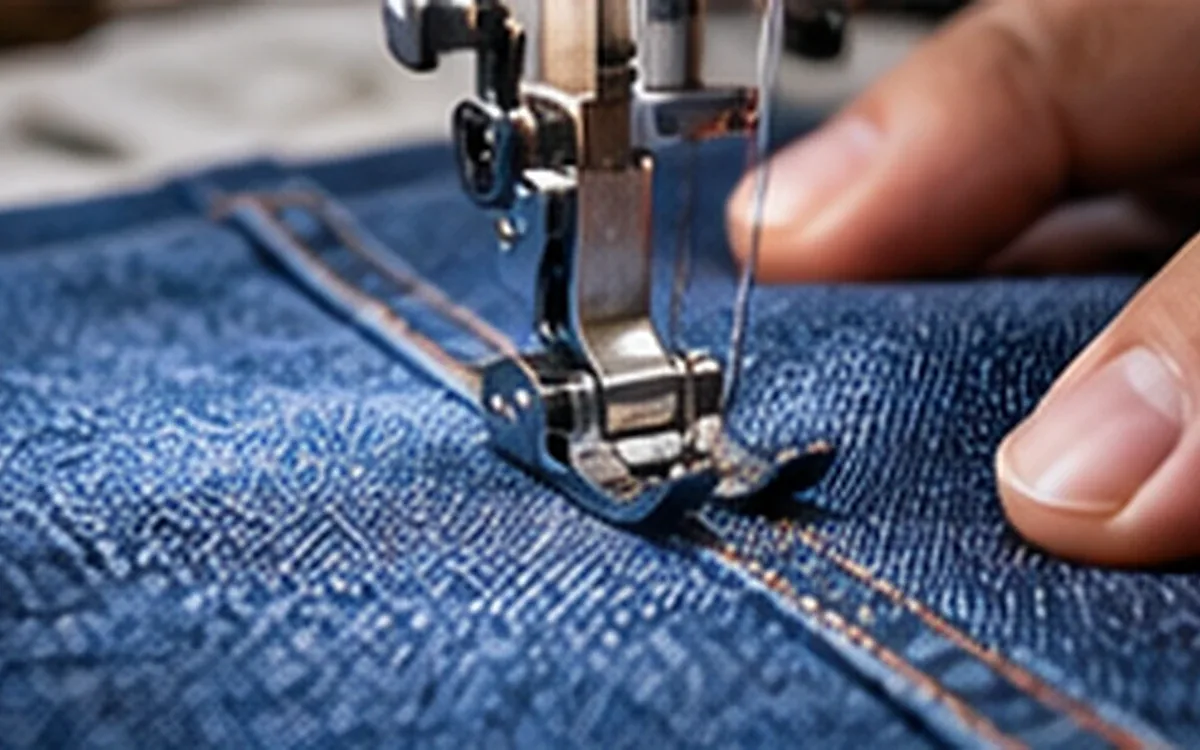
Diagnose sewing needle damage with location maps, controlled comparisons and worked defect counts. Separate cut yarns, heat effects and faults seen after care.
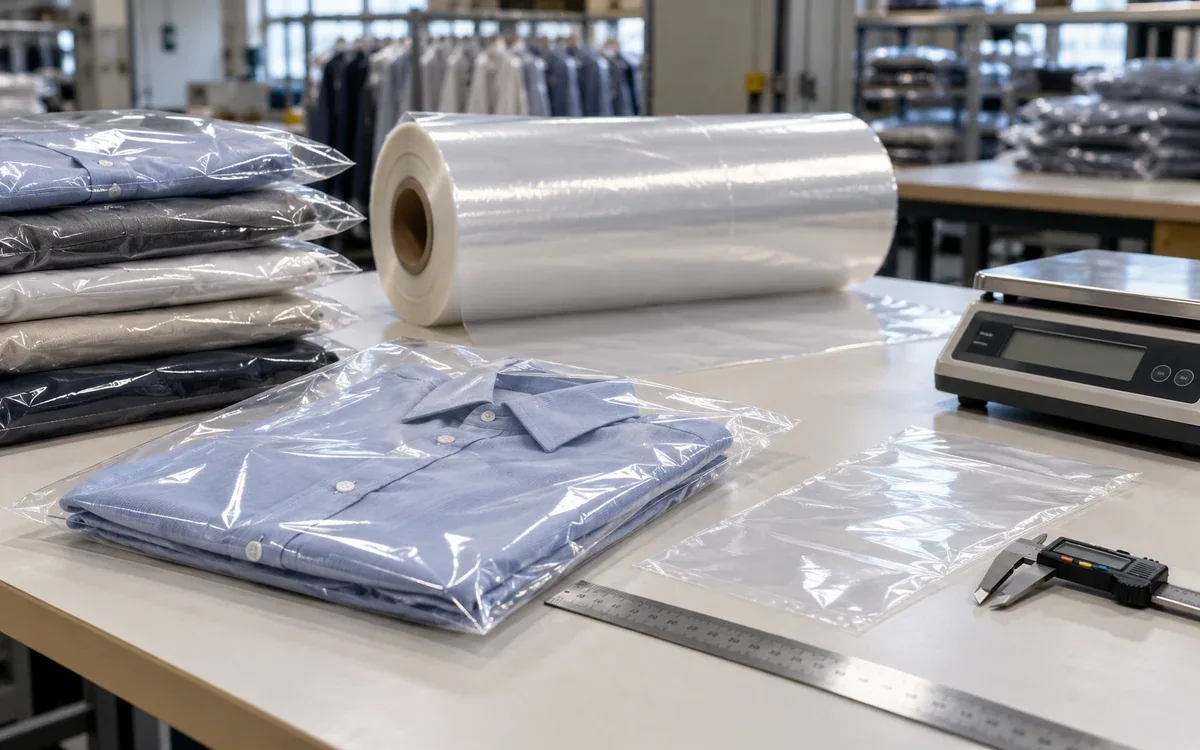
A polybag estimate becomes reliable when its dimensions describe the actual film, not just the usable space around a garment. This guide develops a practical area and mass calculation for flat bags, flaps and gussets.
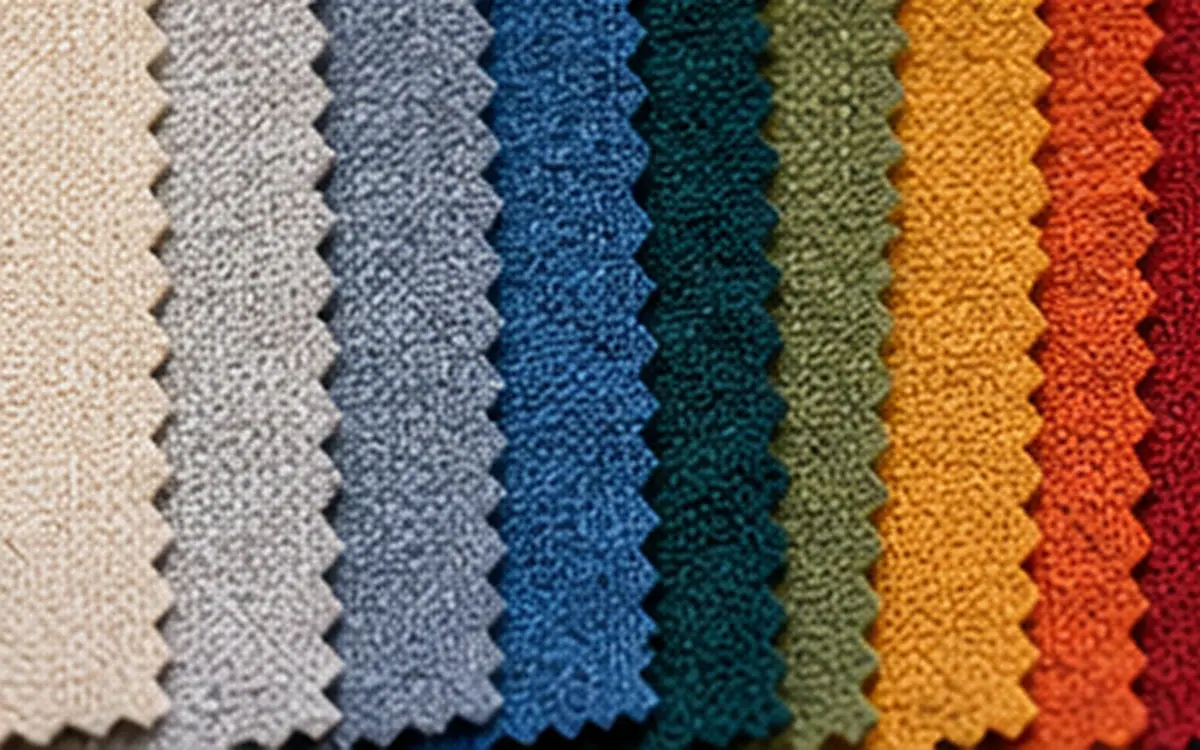
Match sewing thread, needle size and fabric with a clear trial plan. Compare complete products, track sewing faults and check seam strength and care results.
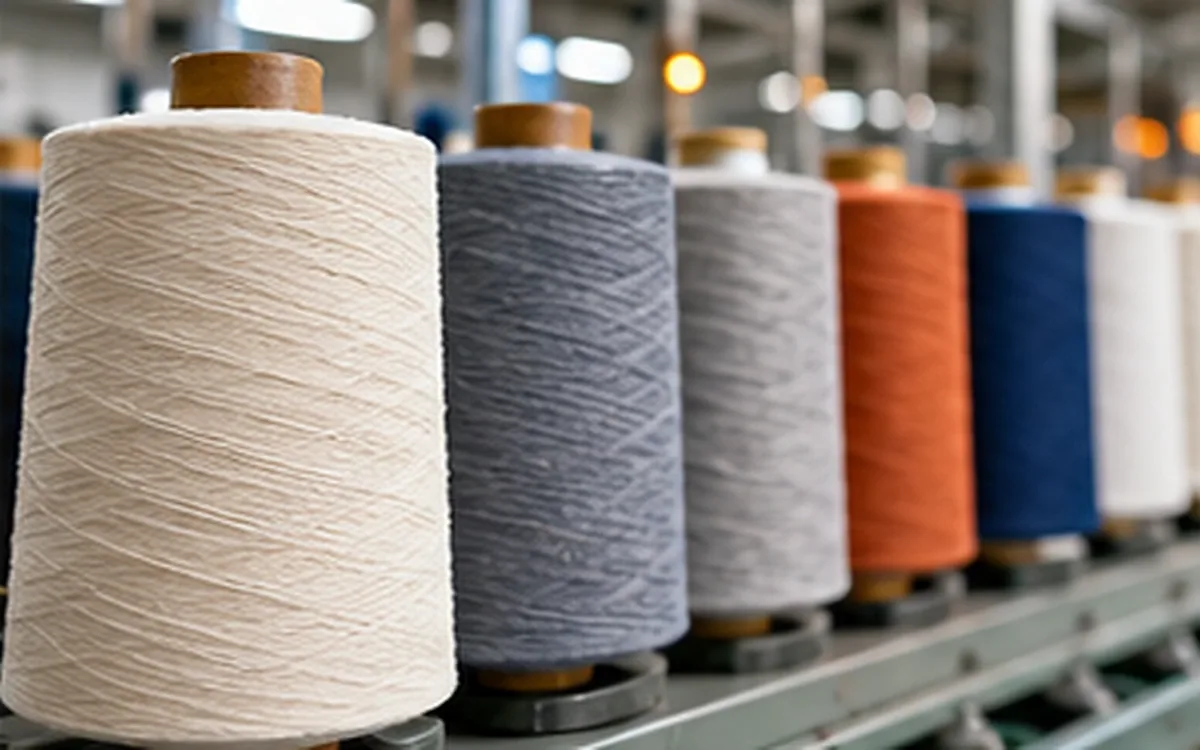
Trace drafting irregularity through sliver, roving and yarn. Use mass balances, wavelength calculations and linked samples to test possible fault causes.
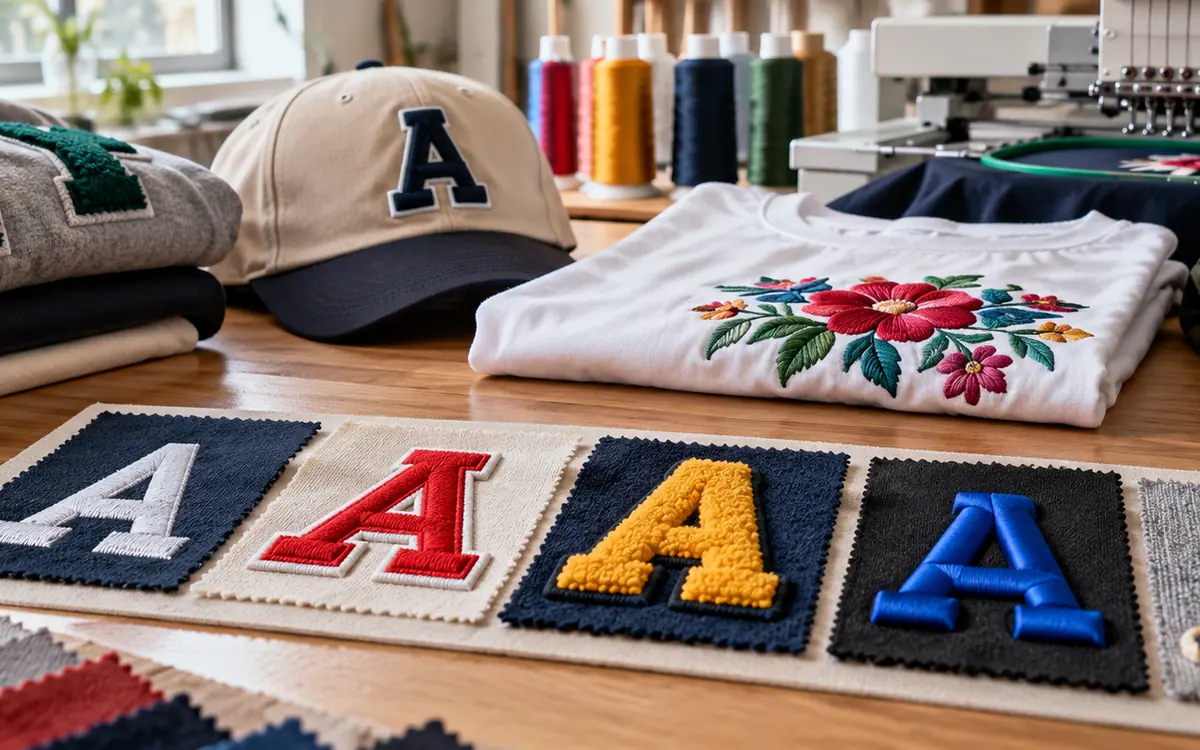
Flat embroidery, appliqué, chenille and foam relief can produce very different versions of the same design. This guide compares their structures, material needs and practical limits.