
Reading a Garment Pattern: Grainlines, Notches and Production Marks
Read garment pattern markings with clear checks for grainlines, notches, fold instructions, seam lines, scale and placement before cutting the approved set.
Garment Factory Calculators and Guides
Industrial Engineer & Business Process Optimization Executive
Salauddin Ahamed Sagar is an industrial and production engineer in Dhaka, Bangladesh, specializing in ready-made garment manufacturing, ERP systems, and industrial engineering. He leads ERP and process optimization projects at Apex Holdings Ltd. and previously worked in line balancing and industrial engineering at Epyllion Group and Young Group. He holds a BSc in Industrial and Production Engineering from NITER (University of Dhaka) and founded Apparel Diary to share practical engineering methods, calculators, and factory operations guides.
Read garment pattern markings with clear checks for grainlines, notches, fold instructions, seam lines, scale and placement before cutting the approved set.
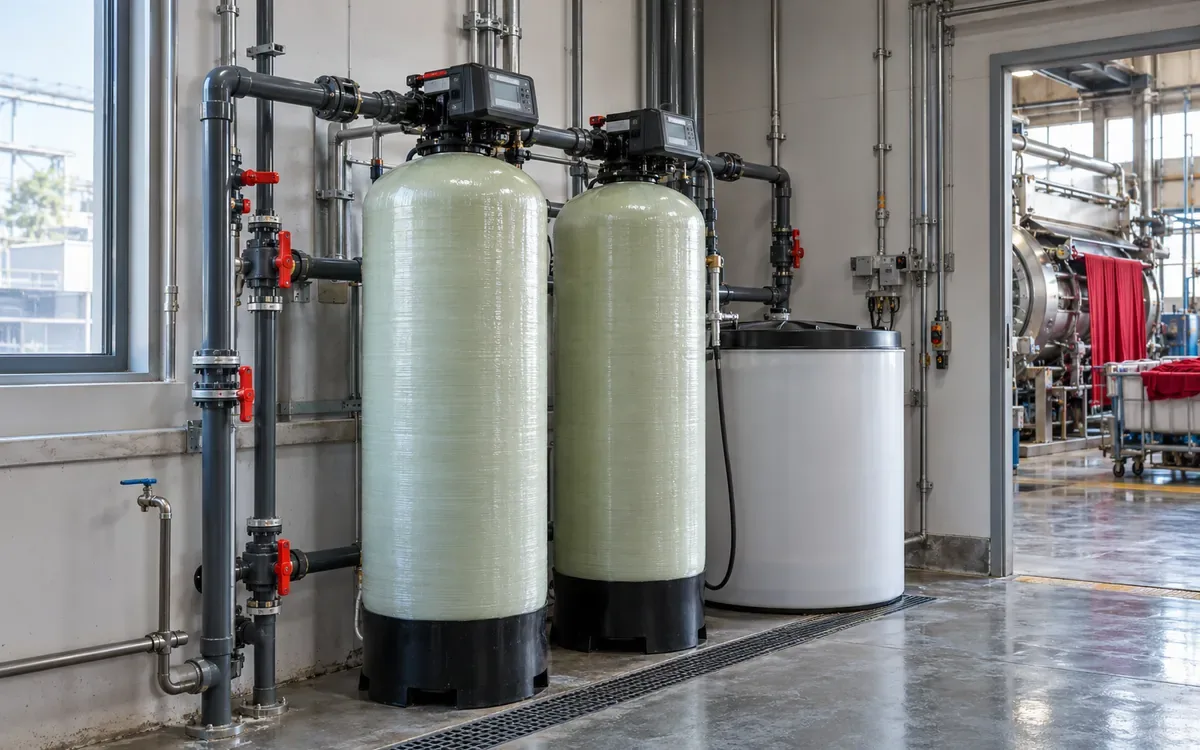
Learn how to test dyehouse water hardness, interpret CaCO3 units, track softener loading, investigate breakthrough and trace affected batches using sampling records, worked calculations and practical process controls.
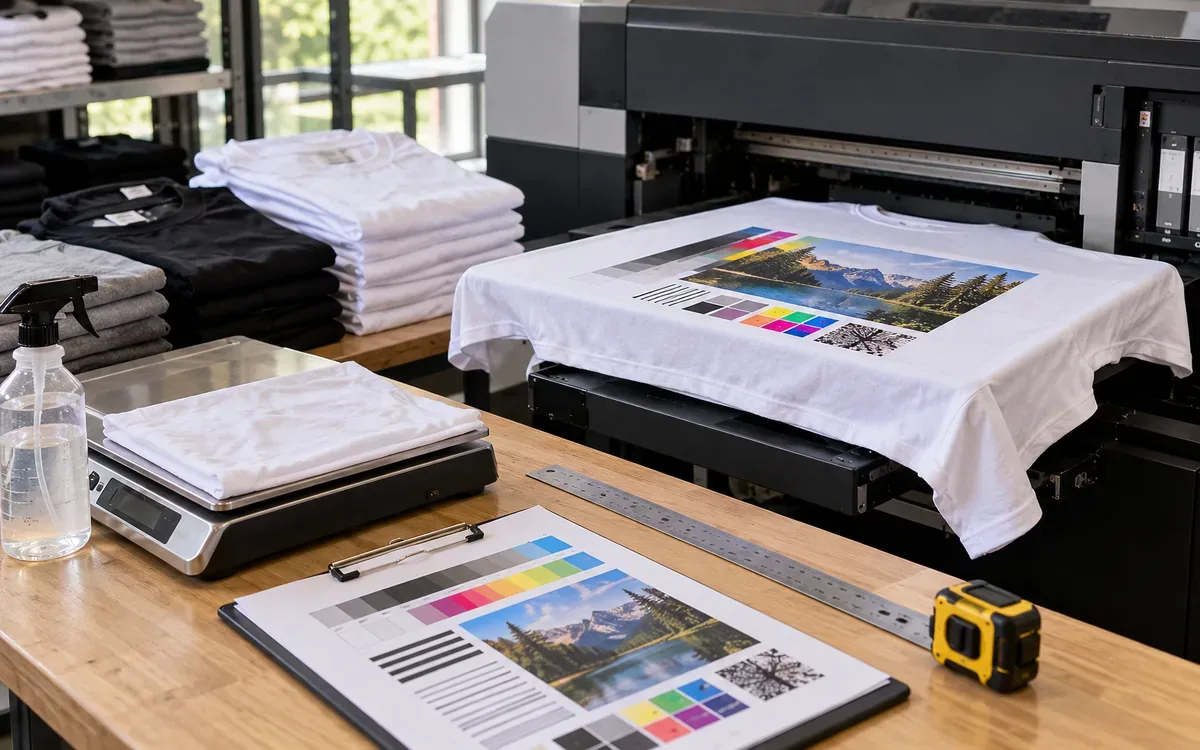
DTG blank qualification connects the garment surface and construction with a specific printer, ink and curing route. This guide shows how to build a useful print target, measure pretreatment by area, test loading without distortion and assess the finished image through care.
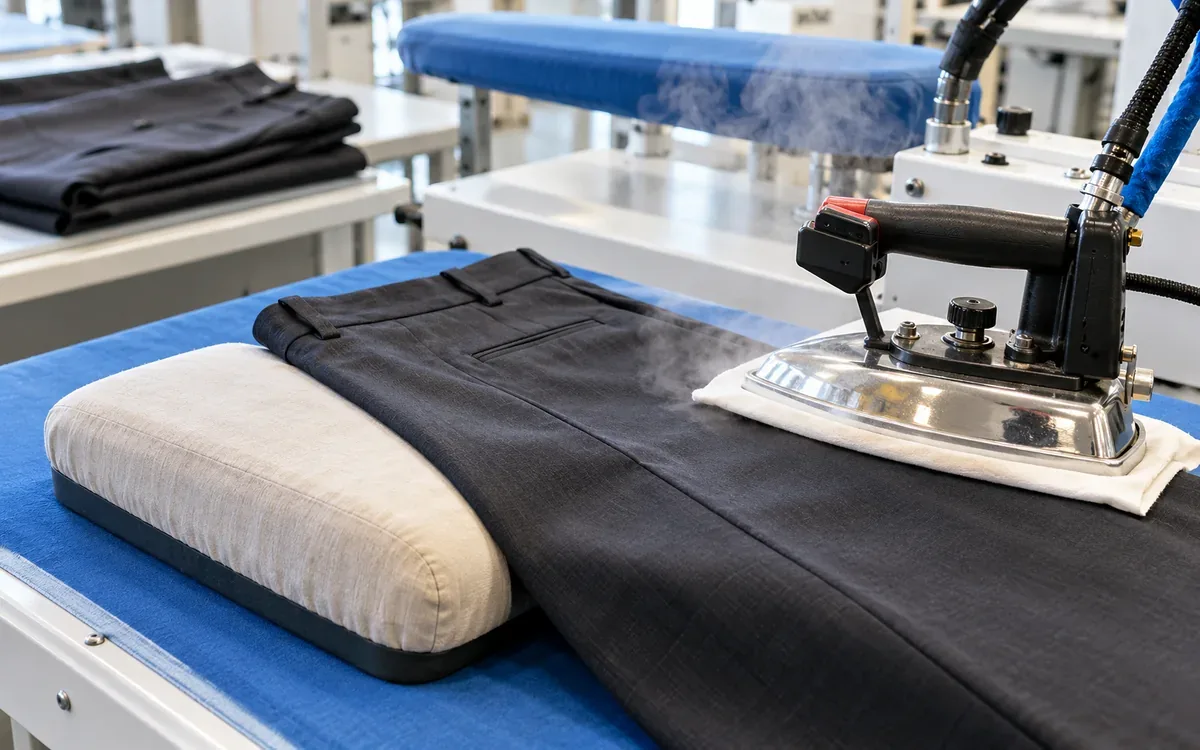
A smooth garment can still carry pressing damage. Shine, seam outlines, colour change and loss of shape have different causes, so one extra pass with the iron rarely solves them all.
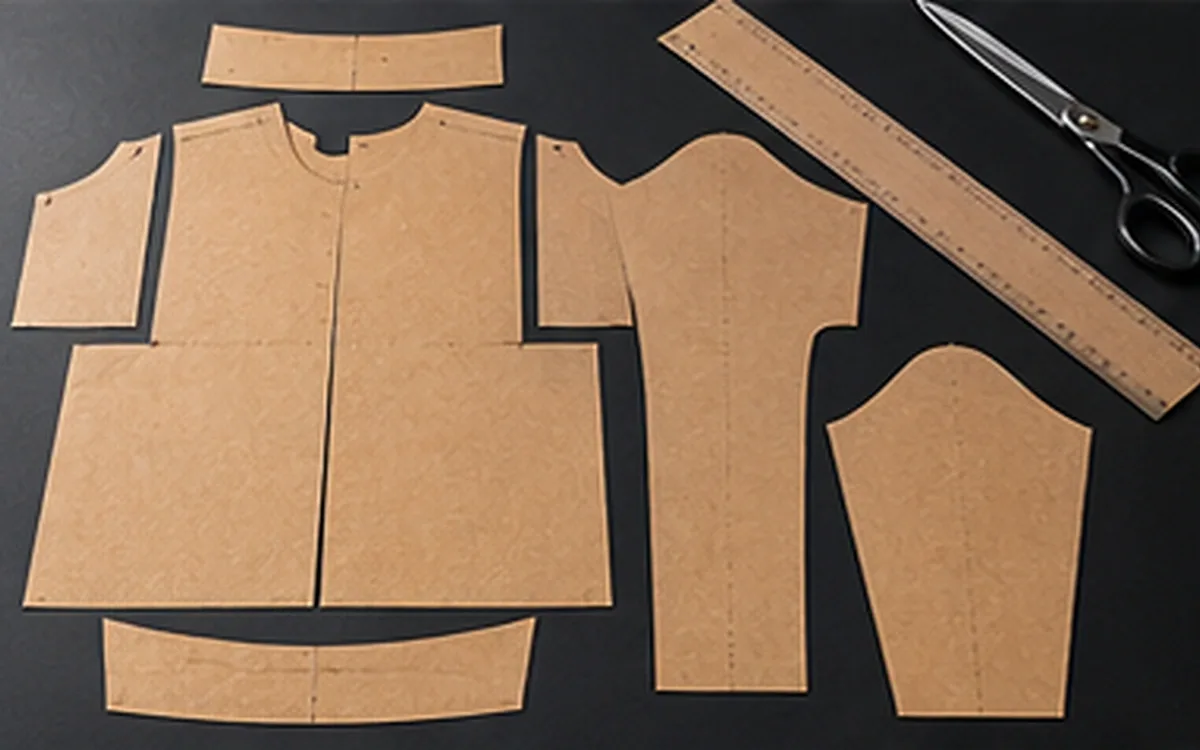
Distinguish master blocks, working patterns, graded nests, and cut-ready production sets—keeping ease, seam allowance, shrinkage, and grainlines traceable.
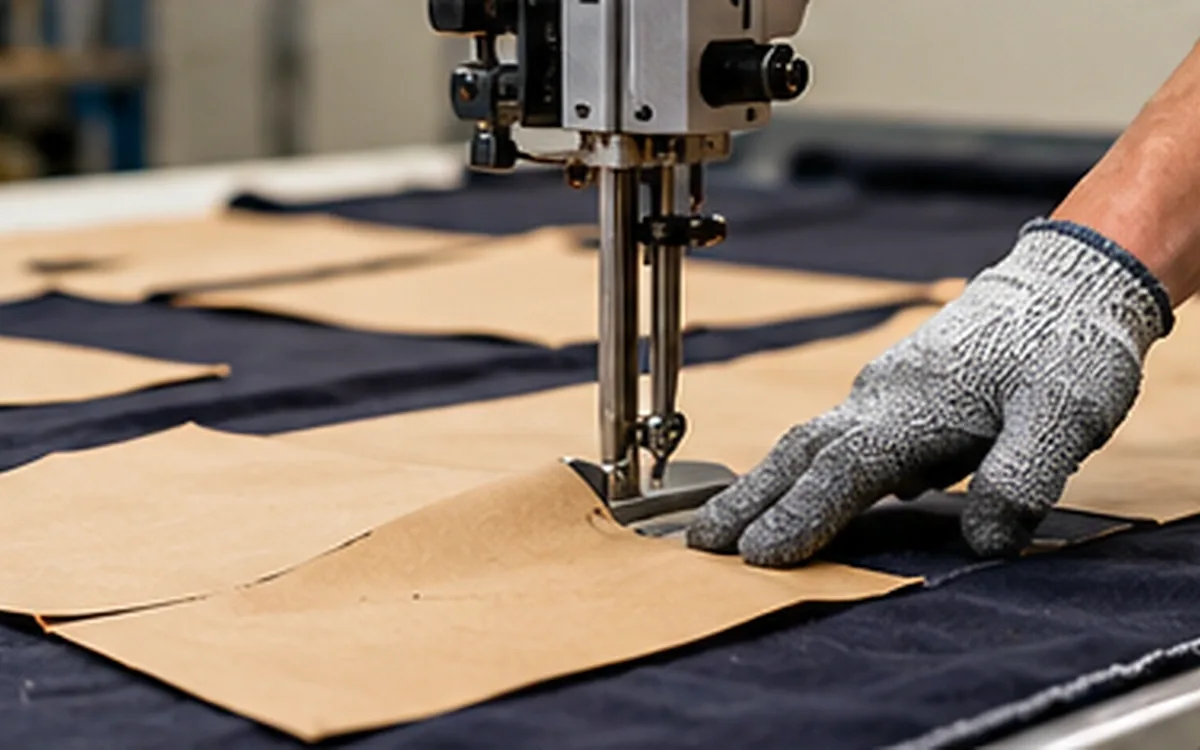
Diagnose garment sample rework with a worked pocket-position case. Check file versions, material identity, measurement conditions and corrective actions.

Write a garment sample request form with clear quantities, material limits, file versions and deadlines. Use a worked brief to reduce avoidable sample gaps.
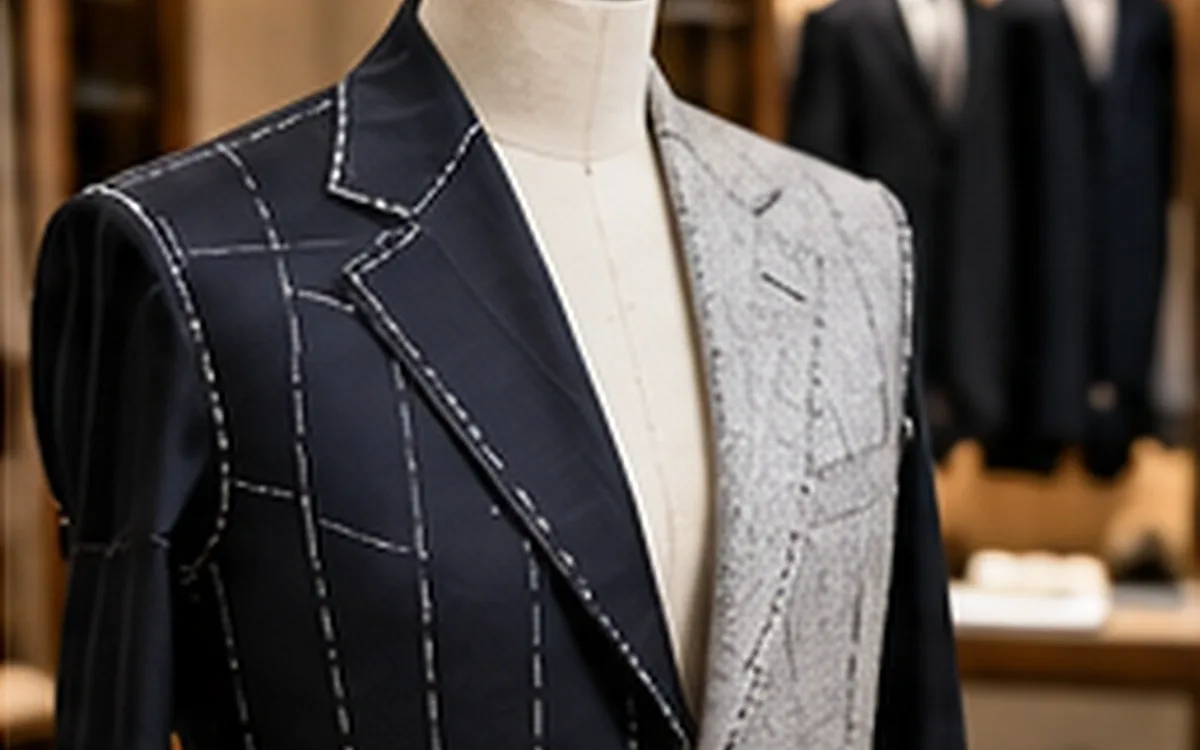
Prepare for garment merchandising interview questions with original worked cases on measurements, buttons, approvals, test reports and clear decisions.

Evaluate combing noil with fibre balances, yarn tests and equal-output costs. Separate waste percentage from short-fibre removal and check each trial basis.