

Garment Seam Types: Choose a Construction That Fits the Product
Compare types of garment seams, check layer arrangements and calculate seam allowances. Build a practical seam schedule with clear sample and approval checks.
Garment Factory Calculators and Guides
Industrial Engineer & Business Process Optimization Executive
Salauddin Ahamed Sagar is an industrial and production engineer in Dhaka, Bangladesh, specializing in ready-made garment manufacturing, ERP systems, and industrial engineering. He leads ERP and process optimization projects at Apex Holdings Ltd. and previously worked in line balancing and industrial engineering at Epyllion Group and Young Group. He holds a BSc in Industrial and Production Engineering from NITER (University of Dhaka) and founded Apparel Diary to share practical engineering methods, calculators, and factory operations guides.
Compare types of garment seams, check layer arrangements and calculate seam allowances. Build a practical seam schedule with clear sample and approval checks.

Understand garment stitch types from classes 100 to 600. Read thread roles, compare common codes, calculate stitch density and write clear sewing instructions.

A lower energy bill can reflect changes in output, weather or price. This guide shows factory teams how to plan measurement and verification before a retrofit, set a useful boundary, and compare measured use with an adjusted baseline.

Compare tailoring and industrial production through fit evidence, pattern records and repeat orders. Explore bespoke, made-to-measure and standard sizes.
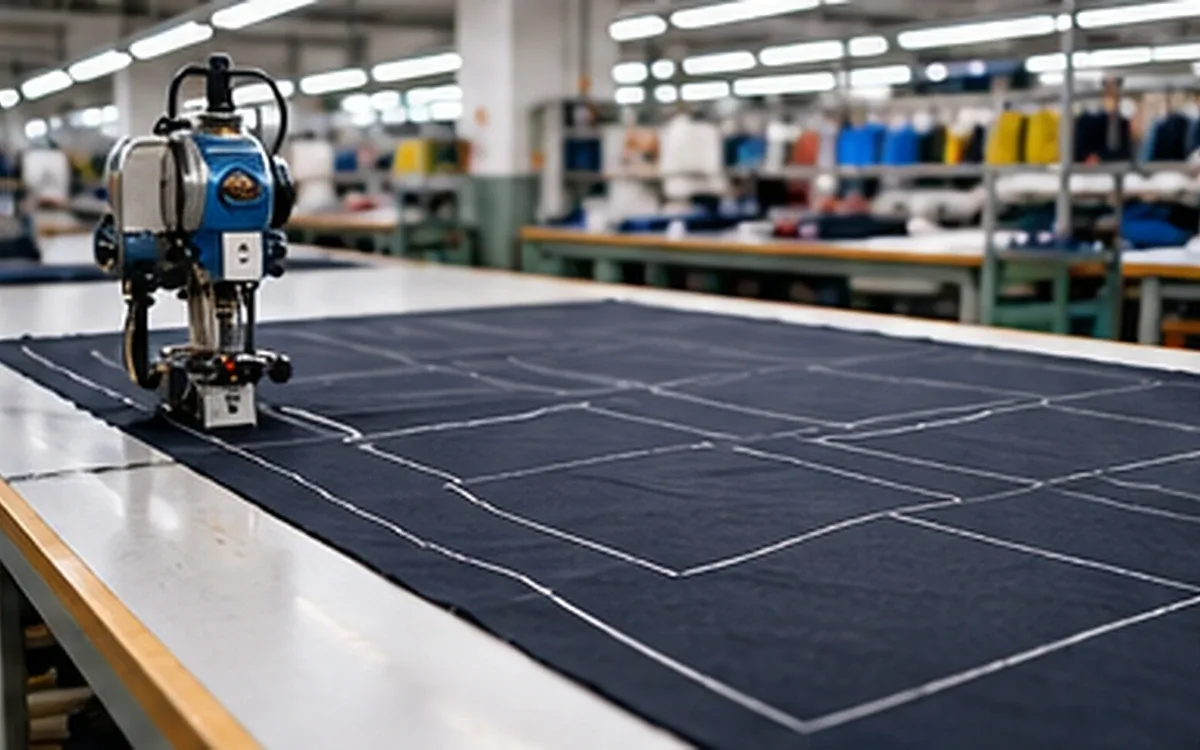
Control the apparel CAD CAM workflow from approved pattern to cutting job. Check revisions, line actions, usable width, quantities and replacement parts.

A motor purchase needs a comparison at the same useful duty. This guide shows textile mills how to record operating loads, distinguish shaft output from electrical input, and calculate savings across a mixed duty cycle.

Choose apparel CAD software through a practical trial of file exchange, pattern edits, grading and 3D review, with checked examples and a weighted scorecard.
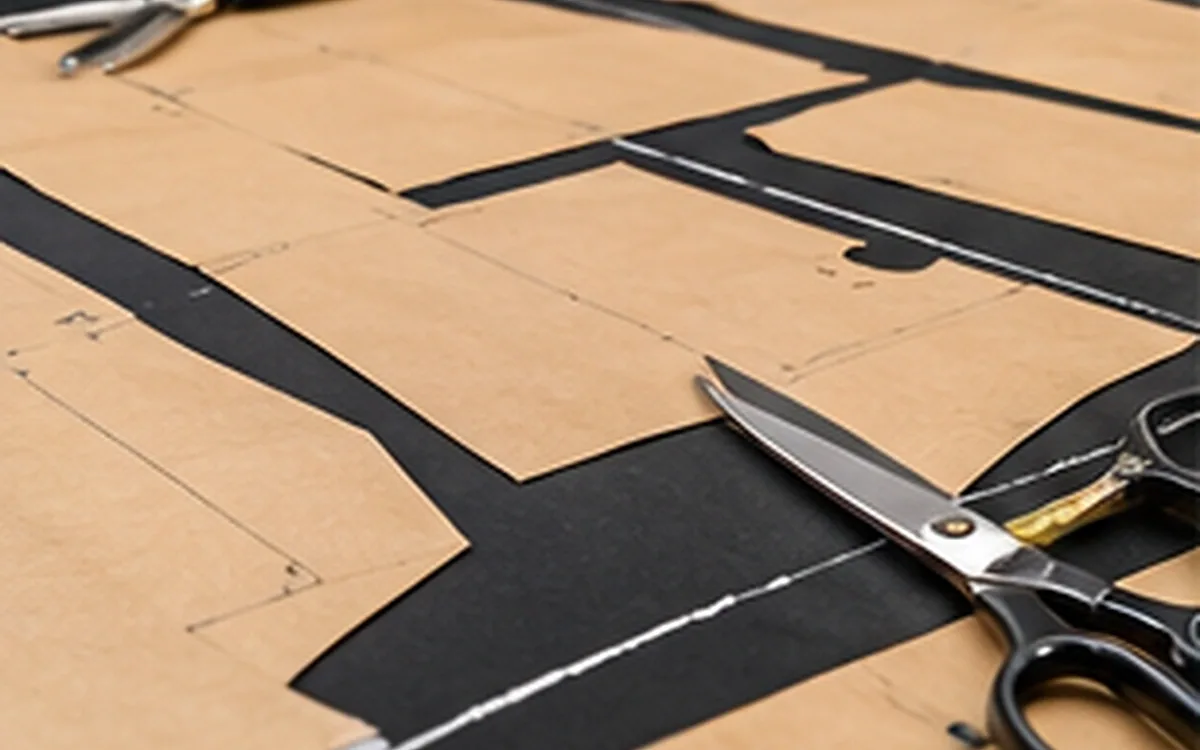
Choose pattern making tools with practical checks for rulers, curves, tracing wheels and cutters. Work through pocket and curved-line drafting examples.

Audit garment factory lighting with task-level lux grids, uniformity checks, glare reviews and worked LED energy calculations that include controls and standby.