

Garment Pressing Troubleshooting for Shine, Marks and Shape
A smooth garment can still carry pressing damage. Shine, seam outlines, colour change and loss of shape have different causes, so one extra pass with the iron rarely solves them all.
Smarter Operations for Apparel
Tag
89 articles tagged with this topic.
A smooth garment can still carry pressing damage. Shine, seam outlines, colour change and loss of shape have different causes, so one extra pass with the iron rarely solves them all.

Cotton scouring needs a clear fabric endpoint as well as a controlled bath. This guide shows how to compare alkaline and enzyme routes, include the full wash stage, choose absorbency tests, and map results across a fabric lot.

ISO 50001 works best when energy decisions become part of daily factory management. This guide connects the energy review to significant uses, named owners, operating criteria, training, purchasing and management review.

Care instructions must work for the garment as sold, including its lining, trims and decoration. This guide connects care-route decisions with product evidence, laboratory requests, destination rules and the final printed label.

Fusing process validation turns a selected shell and interlining into a repeatable production method. This guide separates machine settings from conditions at the adhesive, explains dwell-time and pressure calculations, and develops a practical trial plan.

A perspiration result is useful only when its method, solution conditions, and individual ratings match the garment requirement. This guide explains acid and alkaline testing, adjacent fabric identity, solution control, and assessment.
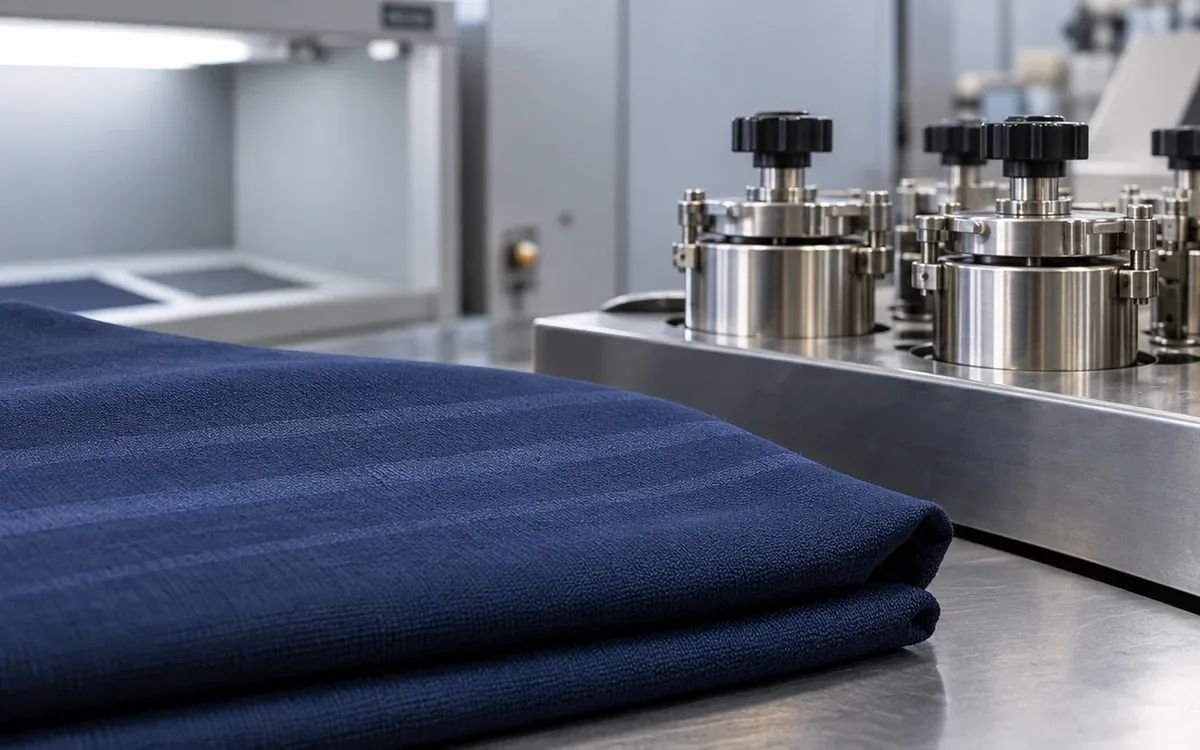
A striped nylon lot needs a cause-based investigation before another dye addition. This guide separates fibre and fabric differences from uptake-rate problems, then explains dye compatibility, pH history, acid donors, and levelling agents.
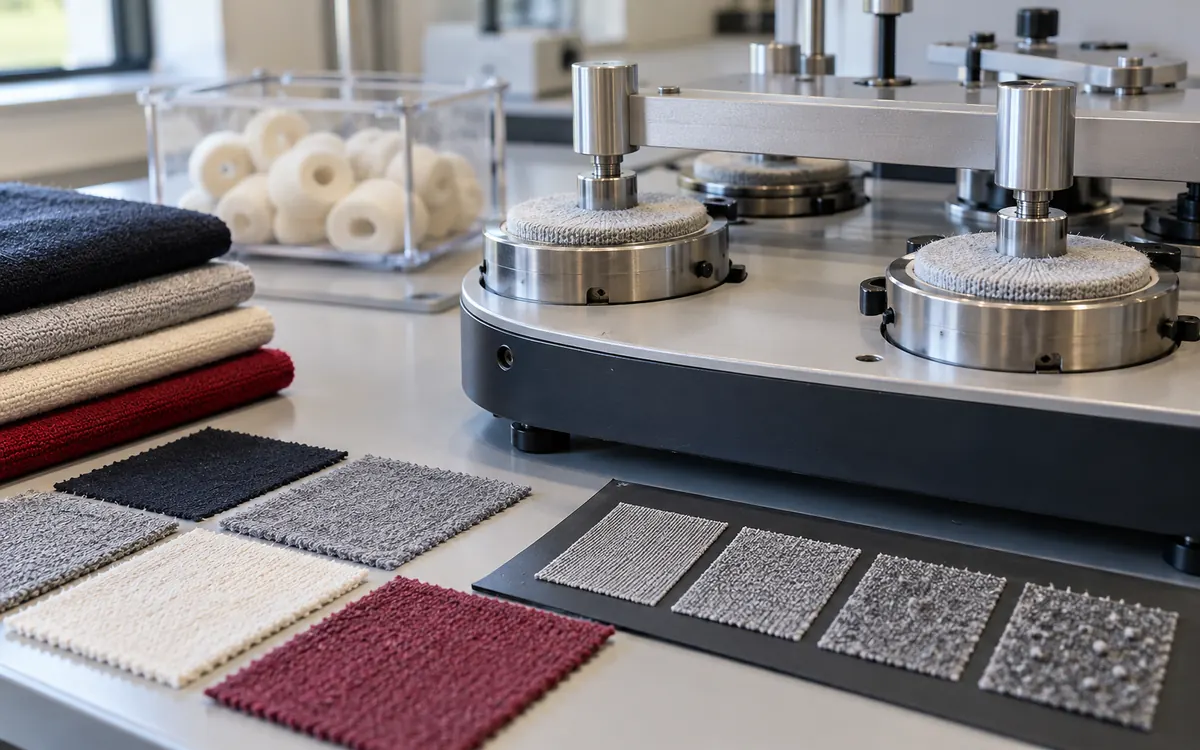
A pilling grade is meaningful only when the test method, fabric state, exposure, and assessment are known. This guide compares box, Martindale, and random tumble approaches. It explains why pill wear-off can improve a later rating without preventing earlier damage.