
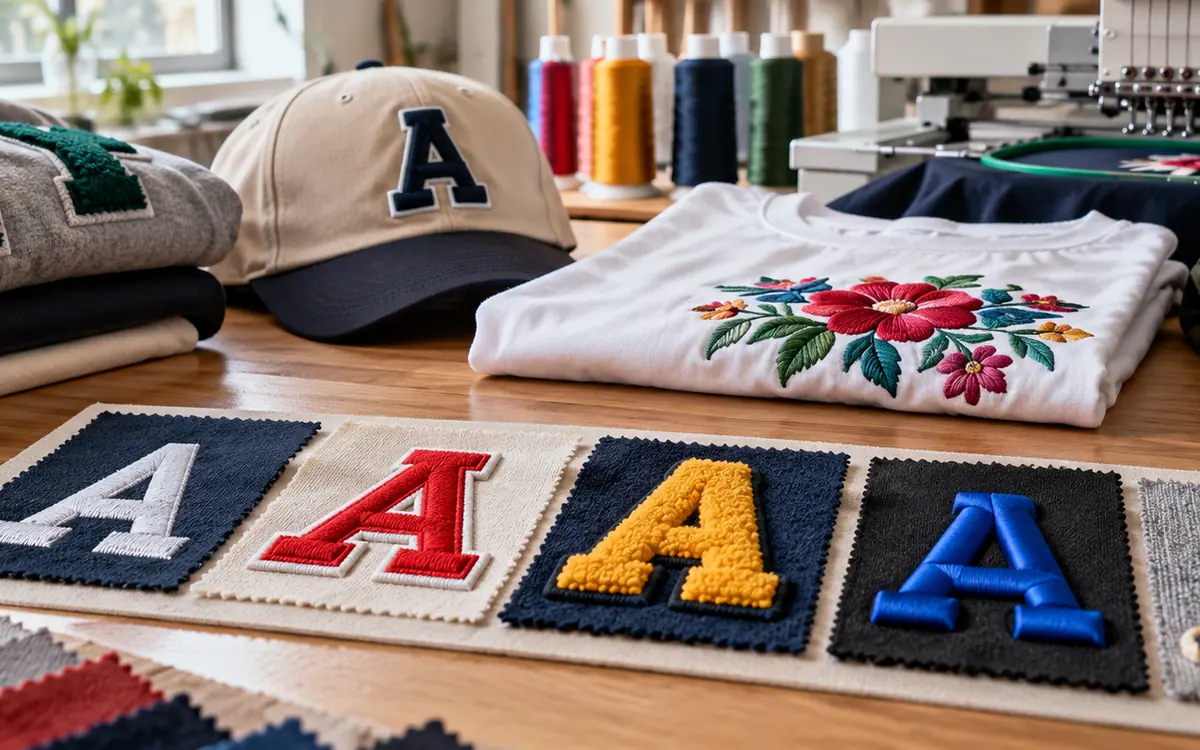
Choose Embroidery Methods for Apparel Design and Production
Flat embroidery, appliqué, chenille and foam relief can produce very different versions of the same design. This guide compares their structures, material needs and practical limits.
Smarter Operations for Apparel
Tag
89 articles tagged with this topic.
Flat embroidery, appliqué, chenille and foam relief can produce very different versions of the same design. This guide compares their structures, material needs and practical limits.
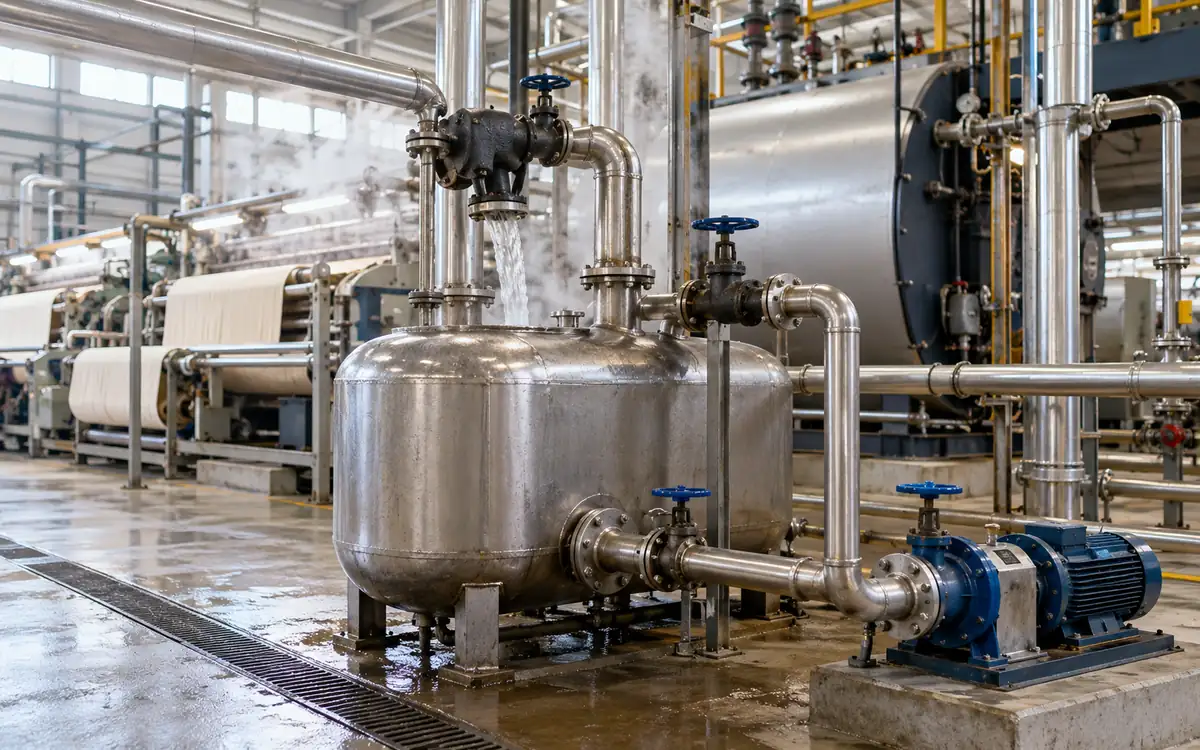
Condensate recovery needs a reliable return route, acceptable water quality and a useful heat destination. This guide separates direct and indirect steam duties, defines recovery ratios and reconciles a boiler-house water balance.
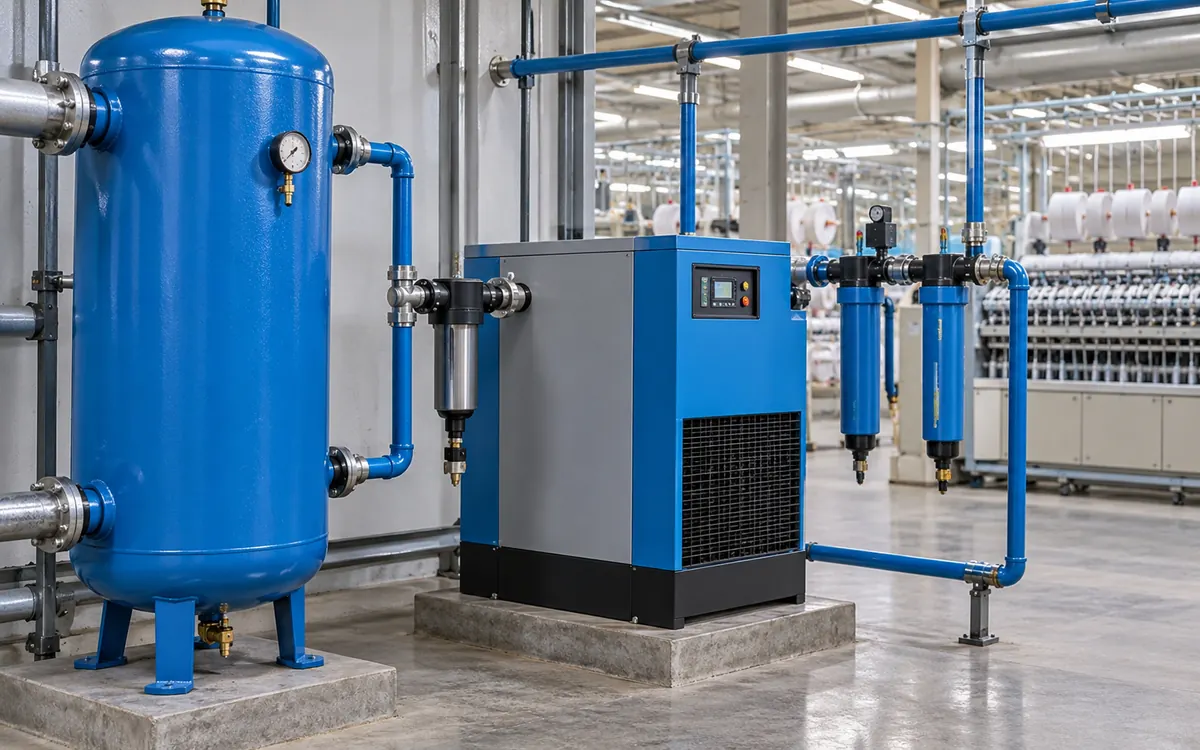
Dry air must remain suitable all the way to the machine. This guide explains pressure dew point, moisture specifications, the coldest air route, and the difference between rated and net dryer flow. Worked examples check capacity correction factors and purge demand.
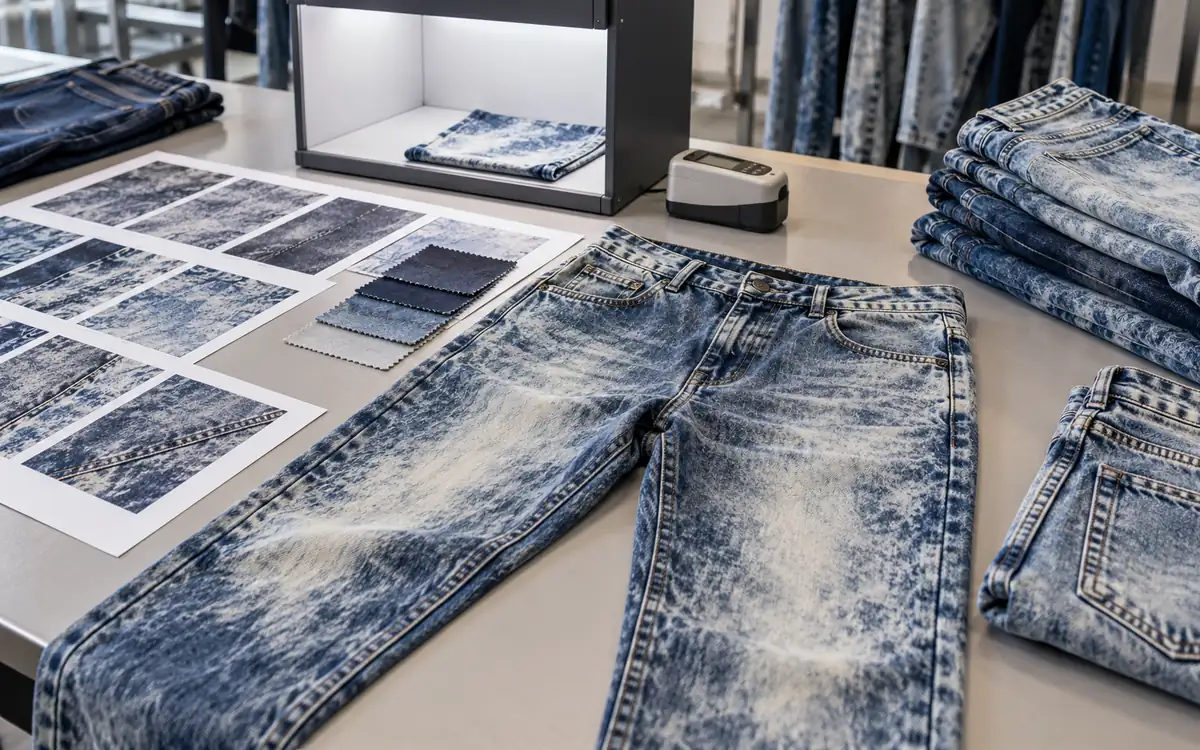
Acid wash denim is an appearance brief as well as a process label. Its irregular light and dark areas need clear approval limits, because a striking sample can hide weak fabric, trim damage or unstable residues.
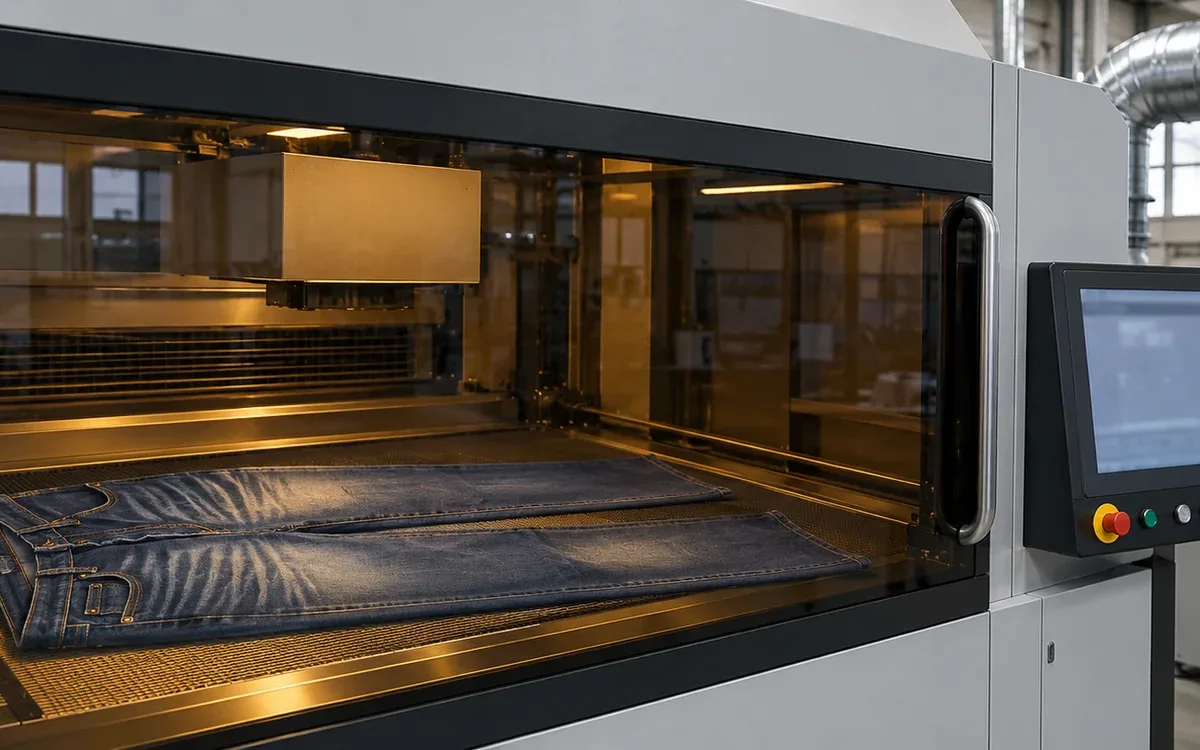
A laser can repeat a digital command precisely while the finished denim still varies. Fabric response, garment position, focus and later washing all affect the result.
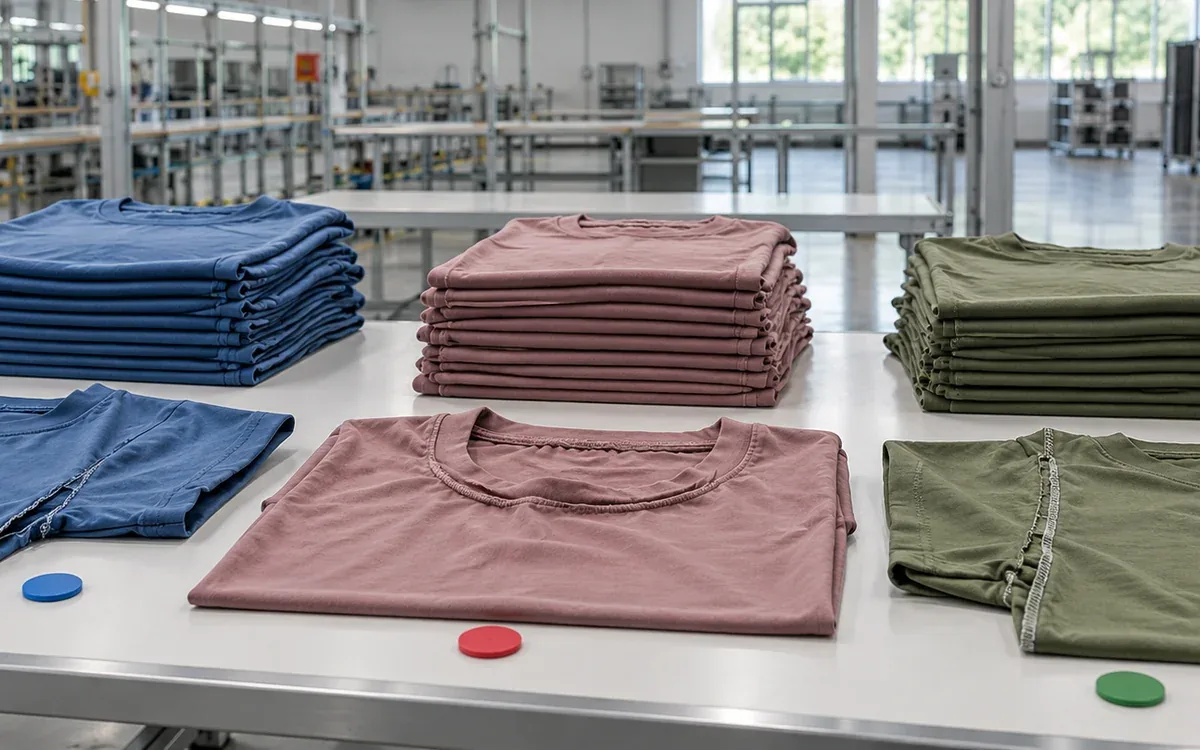
A lower overall defect rate can hide worse results within every product group. This guide uses a worked garment factory example to explain product mix, pooled rates, and Simpson reversal.
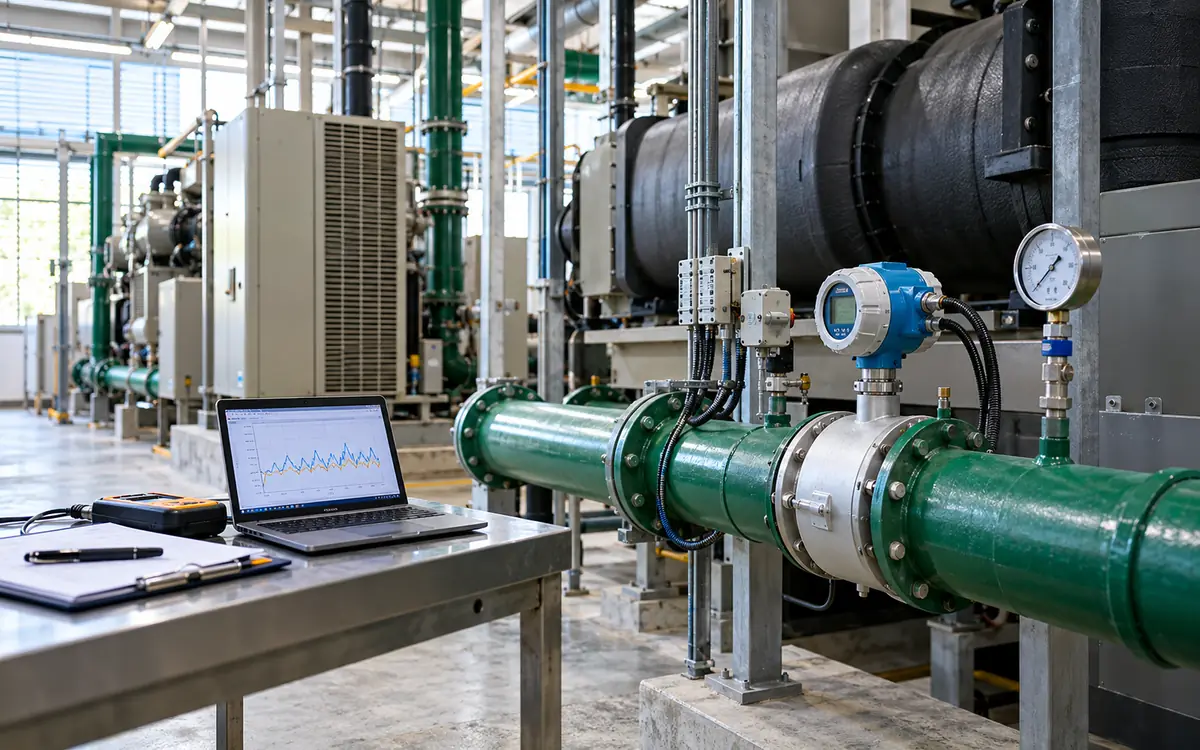
A lower energy bill can reflect changes in output, weather or price. This guide shows factory teams how to plan measurement and verification before a retrofit, set a useful boundary, and compare measured use with an adjusted baseline.

A lighting audit should connect visual tasks with measured light and electrical input. This guide explains lux grids, task planes, uniformity, maintained light, glare, flicker, and colour requirements.
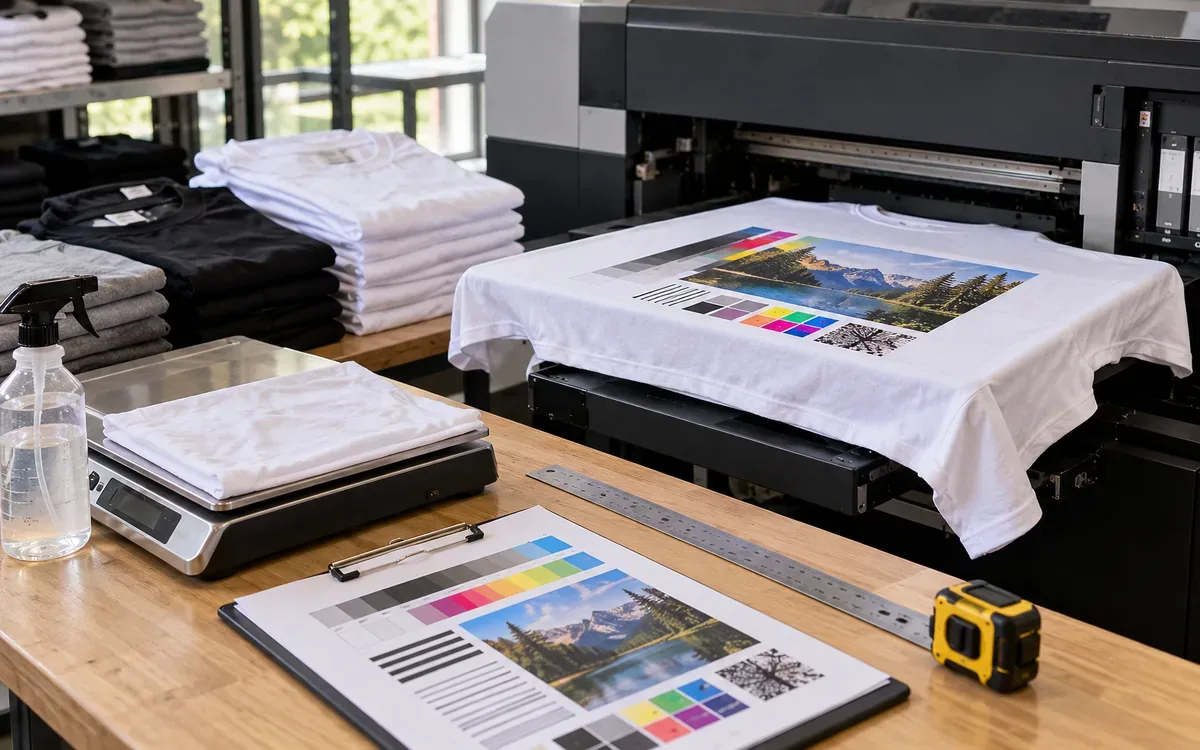
DTG blank qualification connects the garment surface and construction with a specific printer, ink and curing route. This guide shows how to build a useful print target, measure pretreatment by area, test loading without distortion and assess the finished image through care.